
What if the men in your life were never taught to feel?
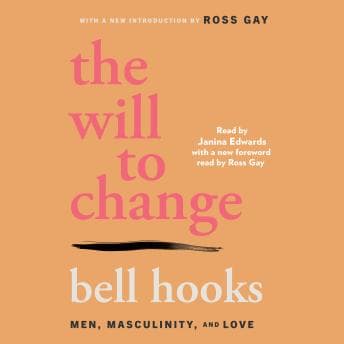
I was stirring dal at 10 PM—my mother's recipe, the one I make when I need to think—when bell hooks asked this question so directly it made me put down the wooden spoon. Not metaphorically. I literally stopped cooking. The research shows that emotional suppression in men correlates with everything from cardiovascular disease to intimate partner violence, but hooks isn't interested in statistics. She's doing something far more radical: she's building a case study of patriarchy itself, treating it like a patient on her couch.
The Protagonist Exhibits Classic Denial
Here's what makes this book compelling from a psychological perspective: hooks refuses to let men off the hook while simultaneously refusing to abandon them. A fascinating study in cognitive dissonance resolution. She argues that men are both perpetrators and victims of patriarchal violence—that the same system that grants them power also severs them from their emotional selves. My therapist would have thoughts about this framework, and they'd probably be approving ones.
The structure is deceptively simple. Each chapter tackles a different aspect of masculinity—work, sexuality, fatherhood, love—but hooks keeps circling back to the same wound: boys are taught to kill off their feeling selves before they're old enough to understand what they're losing. She cites conversations with men in her life, unnamed but specific. One man who couldn't cry at his father's funeral. Another who confused sexual conquest with intimacy because nobody ever showed him the difference.
Psychologically, this tracks. Attachment theory tells us that emotional attunement in childhood predicts relationship capacity in adulthood. Hooks is basically writing popular attachment theory without the jargon, and she's doing it with the directness of someone who's genuinely angry and genuinely hopeful at the same time.
Janina Edwards Channels Something Real
I kept asking myself: why does this audiobook hit differently than reading the text? Part of it is Edwards. She has this quality—pitch-perfect is the word that keeps coming up, and it's accurate—where she sounds like she believes every word. Not performing belief. Actually believing. When hooks describes men who've been emotionally abandoned by their fathers, Edwards's voice carries weight without tipping into melodrama. It's the difference between a therapist reading case notes and a therapist who's done her own work.
At six hours, this isn't a quick listen. But Edwards's pacing makes it feel like a long conversation rather than a lecture. I finished it over three cooking sessions and one very early morning jog through Cambridge when I couldn't sleep. (The insomnia chapter—there isn't one, but there should be—is about how men who can't feel also can't rest. I'm projecting. But still.)
Where The Pattern Breaks Down
Some listeners find the book repetitive, and I understand the complaint even if I don't share it. Hooks circles the same themes because she's trying to break through resistance. Research on attitude change suggests that repetition with variation works better than single-exposure arguments. She knows her audience. She knows they'll push back. She's prepared to say it again, differently, until something lands.
But here's my honest critique: the book is stronger on diagnosis than prescription. Hooks is brilliant at explaining how patriarchy wounds men. She's less specific about what healing actually looks like in practice. There are gestures toward therapy, toward emotional literacy, toward choosing love—but the concrete steps remain fuzzy. For a psychology enthusiast, this is frustrating. What's the intervention? What does the treatment protocol look like?
Maybe that's not the point. Maybe hooks is saying: first, understand the wound. The healing comes after.
Who This Is For (And Who Should Skip It)
Essential listening for men who've ever been told to "man up" and felt something break inside when they did. Essential for women who love men and can't figure out why those men won't open up. Essential for parents raising boys. If you're specifically looking for parenting guidance that centers wonder over structure, Call of the Wild and Free offers a completely different approach—though hooks would probably argue we need both emotional literacy AND freedom to play.
Skip it if you want a self-help book with exercises and action items. This isn't that. Skip it if you're looking for hooks to validate anger at men without also asking you to hold compassion for them. She won't. And don't listen to this as background—the ideas are dense enough that you'll miss things if you're distracted.
My Clinical Assessment
The Will to Change is the book I wish I could assign to every man who's ever sat across from me at a dinner party and said "I just don't do emotions." Brother, that's not a personality trait. That's a trauma response. Hooks knew this twenty years ago. Janina Edwards makes sure you feel it now.
The dal burned, by the way. Worth it.