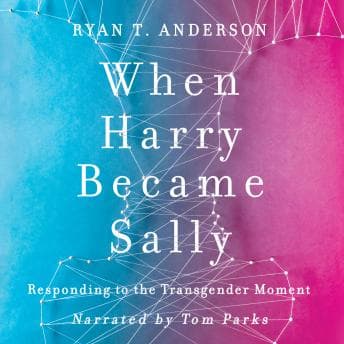

What do you do when a book tackles one of the most contentious issues of our time with the calm, methodical approach of a policy paper? You listen, take notes, and prepare for the incoming fire.
I'm going to be direct here - this is exactly the kind of book that gets people worked up before they've even cracked the spine. Ryan Anderson's "When Harry Became Sally" is a conservative academic's attempt to pump the brakes on what he calls the "transgender moment," and whether you'll find value in it depends entirely on what you're looking for. I listened to this during a three-day consulting gig in Houston, plenty of windshield time to really sit with the arguments.
The Mission Brief
Anderson comes at this like an analyst, not a preacher. That surprised me, honestly. The guy has a PhD and runs the Ethics and Public Policy Center, and it shows in his approach. He builds his case methodically - biology first, then psychology, then philosophy, then policy recommendations. It's the kind of structured briefing I'd expect from a competent staff officer.
Here's what he's actually arguing: that sex is biological, not assigned; that the current medical and cultural approach to gender dysphoria may be causing harm, particularly to kids; and that we need better data before we keep pushing in the current direction. He spends considerable time on detransitioners - people who transitioned and later regretted it - and their stories are genuinely difficult to hear.
Is this a balanced view? No. Anderson has a clear position and he's making his case. But he's not frothing at the mouth about it. He cites studies, quotes medical professionals, and builds arguments the way academics do. Whether you agree with his conclusions is another matter entirely.
Tom Parks Behind the Mic
Tom Parks handles this material exactly right. Professional, measured, clear. No editorial tone creeping in, no dramatic emphasis on controversial points. Just straight delivery. The guy's an AudioFile Earphones Award winner and Audie finalist, and you can hear why. At 1.25x speed, his pacing held up perfectly - never rushed, never dragged.
For a book this potentially inflammatory, you need a narrator who can keep the temperature down. Parks does that. He reads Anderson's arguments with the same steady tone whether he's discussing medical protocols or sharing personal testimonies. That's harder than it sounds.
Where This Gets Complicated
I should mention - and this is relevant - that Amazon pulled this book from their platform. You can still find the audiobook through other vendors, but that decision tells you something about the cultural moment we're in. Whether you think that's appropriate censorship or corporate overreach probably correlates with what you'll think of the book itself.
Here's my honest assessment: Anderson raises some legitimate questions about medical interventions for minors, about the quality of long-term outcome data, and about the rapid shift in clinical approaches. These are questions that deserve serious discussion, even if you ultimately disagree with his answers.
But - and this is a significant but - his philosophical framework is explicitly rooted in natural law and traditional views of the body. If you're looking for a neutral examination of the evidence, this isn't it. Anderson has a worldview, and his interpretation of the data flows from that worldview. That doesn't make him wrong, but it does mean you're getting advocacy, not journalism.
Know Before You Go
Who should listen? People who want to understand the conservative intellectual response to transgender issues. People genuinely curious about the detransitioner perspective. People who can engage with arguments they might disagree with without their heads exploding.
Who should skip it? Anyone looking for an affirming perspective on trans identity - that's not what this is. Anyone who can't separate "this is what someone believes" from "I must agree with this." And honestly, anyone who's going to be genuinely hurt by hearing these arguments made at length.
I've spent 25 years in environments where you had to understand the enemy's thinking even if you didn't agree with it. That's how I approached this book. Anderson is making a case. You can evaluate it on its merits, push back where you think he's wrong, and still come away understanding a perspective that millions of Americans hold. I had the same experience working through New Jim Crow: Mass Incarceration in the Age of Colorblindness - another book where you've got to sit with uncomfortable arguments and evaluate them on the evidence, not your gut reaction.
Ranger slept through most of it, which means the audio wasn't jarring. That dog has opinions about aggressive narrators.
Mission Complete
This is a serious book on a serious topic, delivered professionally. It's not balanced, but it's not pretending to be. Worth your time if you want to engage with these arguments directly rather than through secondhand summaries. Just know what you're getting into.