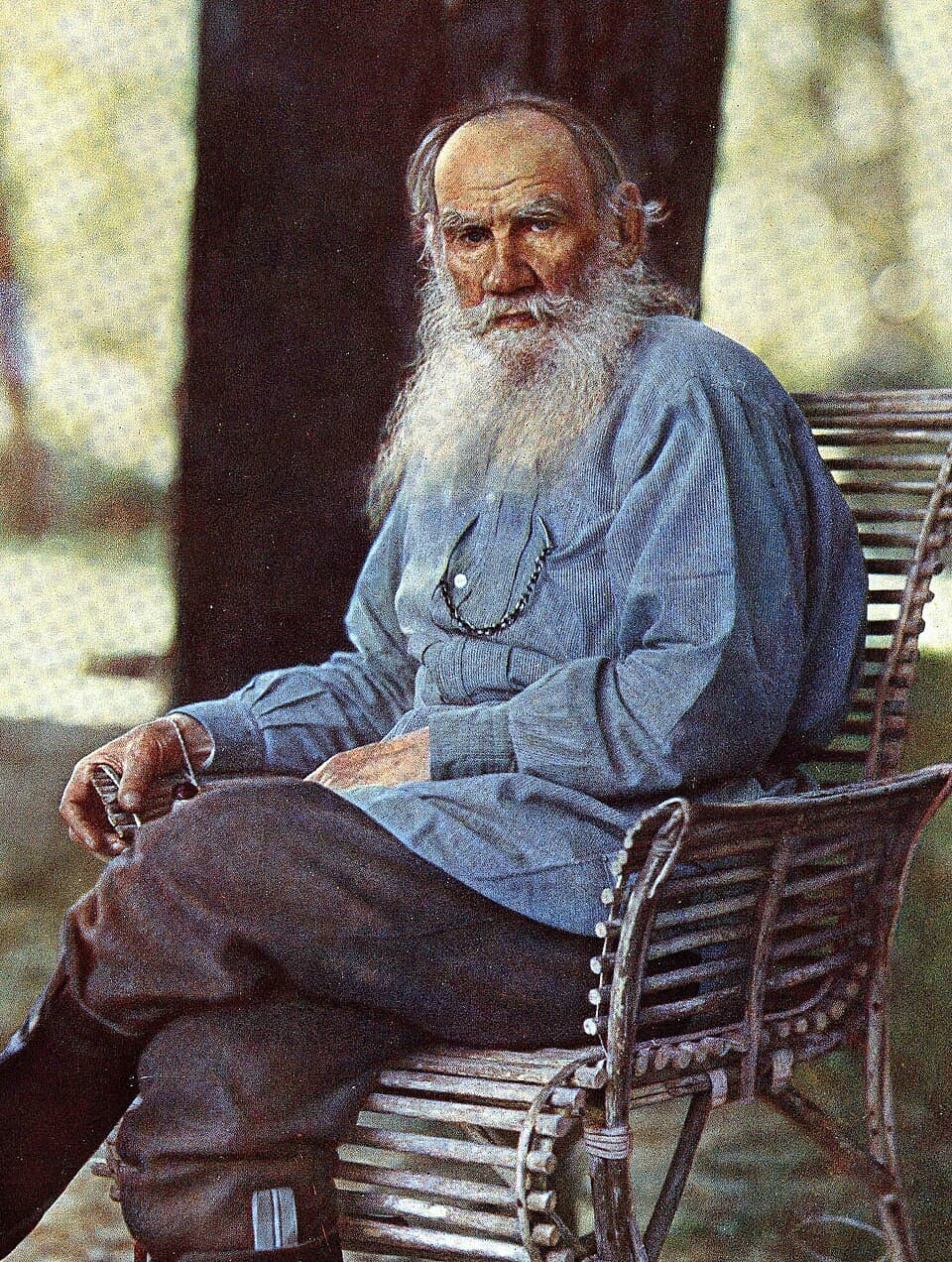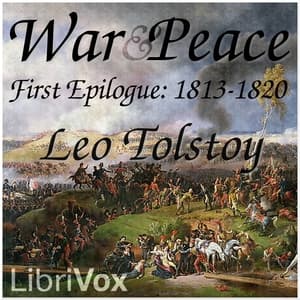

This is where Tolstoy stops pretending he's writing a novel and starts lecturing you directly about the meaning of history.
I finished grading a stack of sophomore essays on The Great Gatsby at 11:47 PM, poured myself something amber, and decided I deserved to spend the remaining hours before sleep with the First Epilogue. Two and a half hours. That's nothing. That's a faculty meeting about parking lot policy. Except this particular faculty meeting is Leo Tolstoy explaining why Napoleon wasn't actually responsible for anything that happened during the Napoleonic Wars.
The Part Where Tolstoy Abandons Plot Entirely
Let me be direct: if you're coming to Book 16 expecting resolution in the traditional sense—weddings, babies, Pierre finding peace—you'll get about forty minutes of that. Then Tolstoy pivots hard into philosophical essay mode. He's done with characters. He wants to argue with historians. He wants to dismantle the very concept of "great men" shaping history. My students would hate this. I love it.
The thing is, this epilogue is genuinely strange. Natasha has become a mother consumed entirely by domesticity (Tolstoy describes her in terms that would get him canceled seventeen times over today). Pierre is stout and content. Princess Mary and Nikolai have found their rhythm. These scenes feel almost anticlimactic after everything—the battles, the burning of Moscow, Prince Andrei's death. And that's the point. Tolstoy is saying: this is what life actually becomes. Not dramatic crescendos but laundry and children and small disagreements about estate management.
The LibriVox Question (And It's a Real One)
Here's where I have to be honest with you. LibriVox is a volunteer operation—public domain recordings by people who care about literature enough to spend their weekends in front of microphones. This means quality varies. Wildly. Some readers bring genuine interpretive skill; others sound like they're reading aloud for the first time since fourth grade.
For this particular recording, the pacing runs languid. That's the polite word. Some listeners—and I've read their complaints—find it campy to the point of turning it off entirely. I didn't have that reaction, but I was also half a glass deep and grading-exhausted, which meant the slower tempo suited my state. If you're listening during a morning commute, expecting energy? You might struggle.
The production is exactly what you'd expect from LibriVox: clean enough, no music, no effects, just voice and Tolstoy. There's something almost monastic about it. Whether that's a feature or a bug depends entirely on your tolerance for unadorned reading.
What Tolstoy Is Really Saying (The Part I Assign My Students)
This reminds me of what Hemingway said about prose being architecture—but Tolstoy is building something different here. He's constructing an argument disguised as a novel's ending. His thesis: individual will is an illusion. Napoleon didn't cause the invasion of Russia any more than a wave causes the ocean. We're all swept along by forces we can't perceive, let alone control.
It's bleak. It's also weirdly comforting? Especially at midnight, especially after reading twenty essays about the green light representing hope (it does, but God, the repetition). Tolstoy is saying: stop worrying about whether you're a great man. You're not. Neither was Napoleon. History moves through us, not because of us.
The prose deserves to be savored. Even in translation, even through volunteer narration, you can feel Tolstoy's mind working. He's wrestling with ideas that still haven't been resolved—free will, determinism, the stories we tell ourselves about why things happen. Three Day Road grapples with similar questions about fate and individual agency, though through the lens of WWI rather than Napoleon's campaigns.
Who This Is (and Isn't) For
If you've made it through Books 1-15, you're finishing. Obviously. This is the denouement you've earned.
If you're new to War and Peace, starting here would be insane. Don't do that. You need the full journey—the battles, the ballrooms, the deaths—for this quiet ending to land.
If you want polished, professional narration? Pay for the Audible version. LibriVox is free for a reason, and that reason is volunteer labor. Respect it or pay for alternatives.
If you're a fellow teacher looking for something to accompany late-night grading? This works. The philosophical digressions pair surprisingly well with circling comma splices in red ink.
Class Dismissed
Look, this is Tolstoy. Even a flawed audio production of Tolstoy contains more insight about human nature than most contemporary novels contain in their entirety. The LibriVox version is free, it's accessible, and it delivers the text faithfully if not brilliantly.
I listened at 1.0x because the author chose those words and I choose to hear them properly. At faster speeds, you'd lose the rhythm of Tolstoy's arguments—the way he builds and circles and builds again. The languid pacing that frustrates some listeners actually mirrors the content: this is Tolstoy slowing down, stepping back, asking you to think rather than feel.
Is it the definitive War and Peace audio experience? No. Is it a perfectly serviceable way to complete one of literature's genuine monuments without spending money? Yes. Sometimes that's enough.