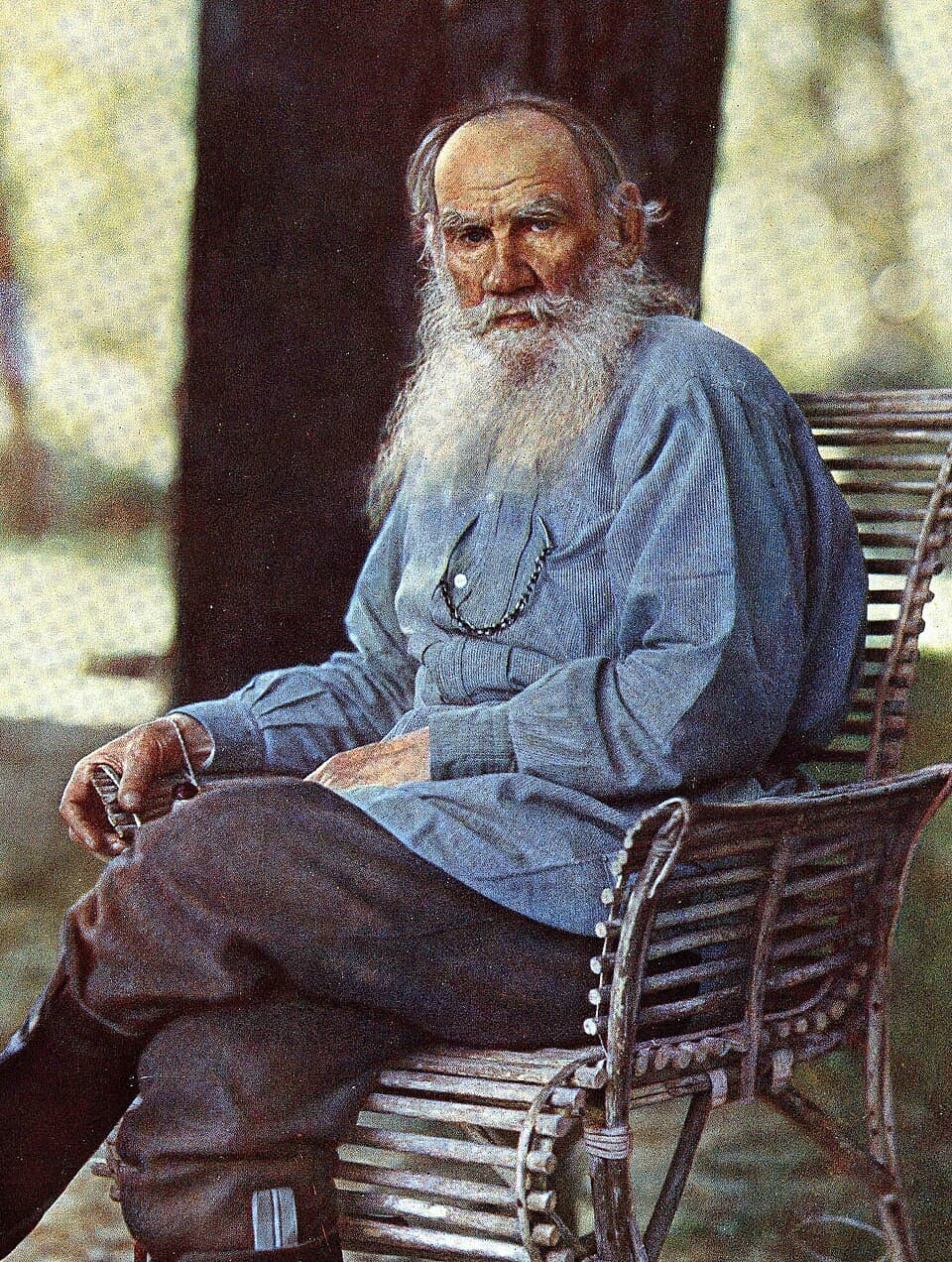

"The wolf is what the Russian people have made it." Somewhere around the two-hour mark, that line hit me while I was walking the lakefront, and I had to stop. Just stood there like an idiot while joggers went around me. Tolstoy does that - drops these philosophical grenades into what you think is a war narrative, and suddenly you're questioning everything about history, free will, and why you ever thought you understood Napoleon.
Look, I've taught War and Peace excerpts for fifteen years. Assigned it to exactly zero students because I'm not a monster. But listening to it? Different beast entirely. This LibriVox recording of Book 9 - the 1812 section, where Napoleon's invasion really kicks into gear - gave me something I couldn't get from the page anymore. Not after decades of grading papers turned my eyes into sandpaper.
The Volunteer Chorus Problem (And Why It Kinda Works)
Here's the thing about LibriVox recordings: they're beautiful chaos. You've got multiple volunteer narrators, each bringing their own interpretation, their own pacing, their own... everything. One chapter you're getting this measured, almost professorial delivery. Next chapter? Someone's channeling their inner theater kid. The inconsistency drove me nuts for about forty minutes. Then something clicked.
Tolstoy wrote this novel as a polyphonic experience - multiple perspectives, multiple truths, the aristocracy alongside the peasants alongside Napoleon's generals. And weirdly, having different voices actually mirrors that. It's accidental genius. Or maybe just an accident I'm choosing to read meaning into. (Don't tell my students I said that - I'm always warning them about finding symbolism where there isn't any.)
The Maude translation holds up beautifully. Some of the narrators really understand that Tolstoy's sentences need room to breathe. Others... rush. There's one section where the pacing gets genuinely distracting, and I found myself speeding through my walk just to get past it. But then you hit a narrator who gets it, who understands that the pause is punctuation, and suddenly you're back in 1812 watching the Russian army retreat.
Where Tolstoy Punches You in the Gut
Book 9 is where Tolstoy stops playing nice. The Napoleonic invasion isn't just military history - it's an examination of how nations respond to existential threat. The burning of Smolensk. The debates about whether to fight or flee. Prince Andrei's return to war. Tolstoy moves between the grand strategic view and these intimate human moments, and even with uneven narration, the power comes through.
This reminds me of what Hemingway said about Tolstoy - that you can't compete with him on his own terms. You just can't. The man understood that history isn't made by great men alone. It's made by thousands of small decisions, accidents, weather patterns, and the sheer stubborn will of people who refuse to be conquered. My students would hate this - too slow, too philosophical, where's the action? But that's exactly why we still read the classics. They demand something from you.
The audio quality varies. Some recordings are crisp, others sound like they were recorded in someone's kitchen (because they probably were). No professional studio polish here. Volume levels shift between chapters. If that kind of thing bothers you - and honestly, it's fair if it does - you might want to sample before committing to four-plus hours.
Worth the Imperfections?
I listened at 1.0x because the author chose those words and I choose to hear them properly. At faster speeds, you'd lose Tolstoy's rhythm entirely. This isn't a thriller you can speed through. It's literature that requires you to sit with it, even when the narration isn't perfect.
Is this the definitive War and Peace audiobook experience? No. There are professional recordings out there that smooth over these rough edges. But there's something honest about this LibriVox version - volunteers donating their time to make a towering work accessible to anyone with an internet connection. That matters. That same volunteer spirit—people doing something just because it matters—reminded me of the scrappy determination in Dragon Teeth: A Novel, though Crichton's adventure operates on a much smaller historical canvas. The dedication shows, even when the execution wobbles.
Who Should Listen (And Who Should Skip)
Best for: Anyone who loves classic literature and doesn't need polish. Long-haul listeners who appreciate epic narratives. People like me who've lost the eyesight for thousand-page novels but not the appetite.
Skip if: You need consistent narration. Variable audio quality makes you crazy. You're looking for an easy entry point to Tolstoy - maybe start with a professional recording of Anna Karenina instead.
I finished this one during a particularly brutal week of parent-teacher conferences. Denise asked why I kept muttering about Napoleon during dinner. Worth pausing the faculty meeting for. Worth the imperfections. Worth remembering why Tolstoy still matters.