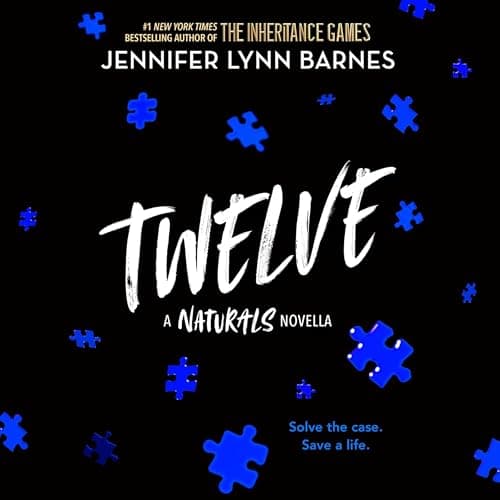

"Desperate to make herself heard, she stands at the top of a lighthouse, threatening to jump."
That line hit me somewhere around hour one, and I was sitting in my scrubs in the hospital break room at 4 AM, reheating coffee I'd already reheated twice, and I just — stopped. Set the mug down. Because I've been the person standing in front of someone on the worst night of their life trying to talk them back. Not off a lighthouse, but off the edge of whatever dark place they've reached. And the way Barnes writes Mackenzie McBride — twelve years old, traumatized, absolutely certain no one will listen unless she puts herself in danger to be heard — that's not fiction for me. That's Tuesday.
A Twelve-Year-Old Doing What Adults Won't
Here's what Barnes does that most thriller writers don't bother with: she makes the kid the smartest person in the room without making it cute. Mackenzie isn't precocious. She's desperate. She's watched teenagers in her small Maine town die, and the police have stamped every file "suicide" and moved on. So she climbs a lighthouse in a gathering storm and essentially holds herself hostage until the Naturals — the FBI's team of profilers who saved her from a kidnapper when she was six — show up to listen.
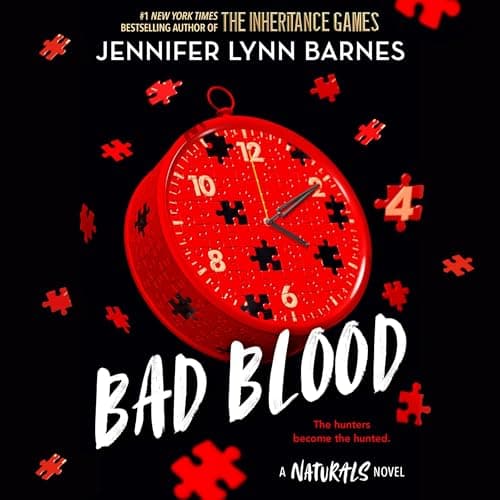
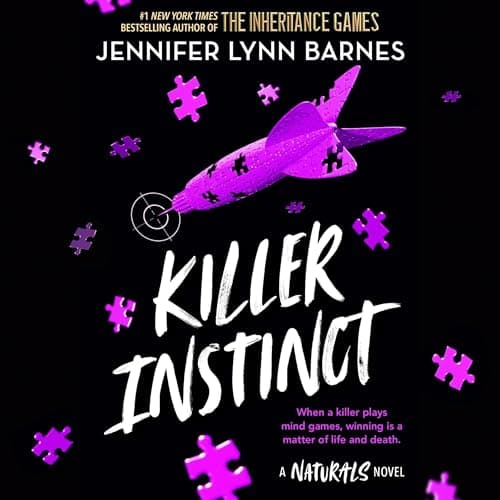
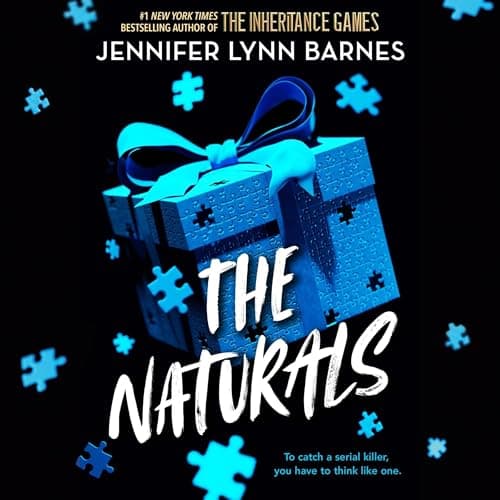
And the Naturals themselves? Cassie, Dean, Michael, Sloane, Lia, Celine — they're twenty-three now, running the program that raised them. Barnes doesn't waste time catching you up. If you've read the original series, you'll feel the weight of their histories pressing against every conversation. That same sense of a team operating under inherited pressure runs through Substitution Order, which handles ensemble dynamics with a similar kind of earned shorthand — and landed a 4.5 from me for exactly that reason. If you haven't — and I'll be honest, this is where the novella format cuts both ways — you might feel like you walked into a family reunion where everyone's referencing the time Uncle Dean almost got killed and you're just standing there holding a casserole.
The ticking clock works. Storm rolling in, Mackenzie's position getting worse, and the team has to profile a case that the local PD doesn't even think IS a case. At three hours and eleven minutes, there's zero fat on this story. Barnes has degrees in psychology and cognitive science, and you can feel it — the profiling scenes don't read like TV magic. When Cassie cold-reads Mackenzie's body language to assess suicide risk versus calculated bluff, as someone who's actually worked a code and done mental health screenings at 3 AM, I was nodding. The details are accurate. Finally.
Amber Faith and the Three-Hour Sprint
I'll be straight with you: I don't have a lot to say about Amber Faith's narration because there isn't a lot of data out there on her performance here, and the novella is so short that the narrator doesn't get the runway to really stretch. What I can tell you is that she doesn't get in the way, which in a three-hour thriller with this many characters is actually harder than it sounds. The pacing is brisk — I listened at normal speed and it felt right. No need to bump it up.
But here's the thing about a single narrator handling a cast this size: with the original Naturals plus Mackenzie plus local law enforcement, there are moments where I had to rewind to figure out who was talking. Not a dealbreaker, but noticeable. In a full-length novel, a narrator has time to establish distinct voices. In a sprint like this, you're asking the listener to keep up.
The Novella Problem (And Why It Still Works)
Three hours and eleven minutes. That's less than one of my shifts. And Barnes is trying to do a lot: reunion story, procedural mystery, trauma exploration, character study of a twelve-year-old who mirrors everything the Naturals went through. Does she pull it all off? Mostly. The mystery itself wraps up a bit quickly — I wanted more investigation, more wrong turns, more of that coastal Maine claustrophobia. But the emotional core holds. Cassie seeing herself in Mackenzie, recognizing that a traumatized kid isn't broken but is actually seeing things clearly — that hit.
Carlos asked why I was crying in the car. I blamed allergies. In June. In Phoenix. He didn't buy it.
The thing is, this isn't really a standalone. It's a love letter to people who grew up with the Naturals series and want to see where these characters landed. If that's you, you'll eat this up. If you're coming in cold, it's still a solid little thriller, but you'll miss the emotional weight of seeing Dean and Cassie as adults still carrying the scars that made them who they are.
Who Should Listen (And Who Should Skip)
If you loved the original Naturals series and want to check in on these characters as adults, this is your hit — three hours, no filler, real psychology backing it up. Skip it if you haven't read the series and don't want to feel like the outsider at that family reunion. Also skip if you need a fully fleshed-out mystery — this one wraps faster than you'd like.
Charting Complete — Discharge Notes
Night shift approved, especially for the length — perfect for one round trip commute or a slow stretch between patient rounds. Barnes knows her psychology, the premise is genuinely clever, and Mackenzie McBride is the kind of character who'll stick with you longer than three hours deserves. I just wish there'd been more of it. Give me the full-length novel version of this, Barnes. I'll yell at my dashboard with joy.