
"The right process will produce the right results."
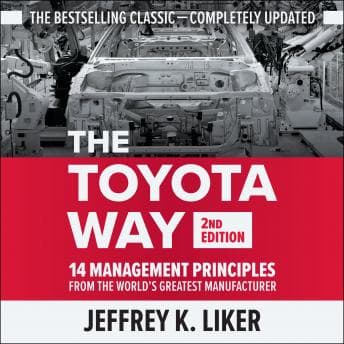
That line hit me around hour three, somewhere on I-35 between Austin and San Antonio. Simple statement. Deceptively simple. But Liker spends the next fourteen hours proving why most organizations get this backwards—they chase results and wonder why their processes keep failing.
Let me cut to the chase: This is a business book that actually delivers. Seventeen and a half hours is a serious commitment, but Liker earns your time.
Why a Combat Vet Cares About Toyota
Here's the thing—military operations and manufacturing share more DNA than most people realize. Mission planning, supply chain logistics, continuous improvement under pressure, developing junior leaders who can make decisions without running everything up the chain. The Army has its After Action Reviews; Toyota has its kaizen. Different languages, same concept: learn from what just happened and get better.
Liker organizes everything around four P's—Philosophy, Process, People, Problem Solving. Clean structure. Easy to track even when you're watching some idiot in a lifted truck weave through traffic. Each principle builds on the previous ones, which matters because most companies cherry-pick the sexy stuff (just-in-time inventory, anyone?) without laying the foundation first.
The second edition updates are substantial. Liker addresses how Toyota's thinking applies to mobility technology, autonomous vehicles, the shift from pure manufacturing to service models. Not just slapping a "now with AI!" sticker on the cover—he genuinely rethinks how these principles scale to modern challenges.
Perry Daniels Gets Out of the Way
Narrator Perry Daniels does exactly what a business audiobook needs: clear delivery, good energy, doesn't try to turn manufacturing case studies into performance art. His pacing keeps the dense material moving without feeling rushed. At 1.25x, which is my standard operating speed, everything tracked cleanly.
No dramatic character voices needed here—this isn't a novel. Daniels reads with the kind of focused sincerity that makes you trust he actually understands what he's saying. That matters when you're explaining concepts like Hoshin Kanri (strategic planning alignment) or the difference between jidoka and just-in-time.
Where It Lost Me (Briefly)
Look, seventeen hours of management principles means some sections drag. The brain science chapter on "learning to think scientifically" felt padded—interesting concepts stretched thin. And some of the manufacturing examples assume familiarity with factory floor operations that not every listener will have.
But here's my honest assessment: even the slower sections contain actionable intel. I found myself pulling over twice to voice-memo notes for my consulting practice. When's the last time a business book made you do that?
Leading from the Gemba, Not the PowerPoint
What separates Toyota Way from the usual business book garbage is Liker's refusal to sell quick fixes. He hammers repeatedly that Toyota's system took decades to develop and requires genuine cultural transformation—not a weekend workshop and some new software. That honesty is refreshing.
The leadership model sections hit home. Toyota develops leaders who teach, who stand at the gemba (the actual place where work happens) and observe before prescribing solutions. That principle of leading from where the work actually happens shows up in How to be Heard: Secrets for Powerful Speaking and Listening, which emphasizes the same kind of grounded, observational approach to communication. I've seen this play out in real life—the best commanders I served under did exactly this. The worst ones made decisions from headquarters based on PowerPoint slides.
Who Should Deploy This Intel (And Who Shouldn't)
Operations managers, supply chain folks, anyone running teams that need to improve systematically—this is your manual. Entrepreneurs building processes from scratch will find the foundational principles invaluable.
Skip it if you want entertainment or a magic bullet you can implement Monday morning. Toyota Way demands you think long-term, which apparently is too much to ask from most American businesses.
Mission Complete
Worth your time? Liker wrote the definitive text on operational excellence, and this second edition keeps it relevant. Seventeen hours is a commitment, but so is running a mediocre organization for the next decade.
Ranger slept through most of it—not enough explosions for his taste. But every time I paused to take notes, he'd lift his head like he was checking if I was actually learning something.
I was.