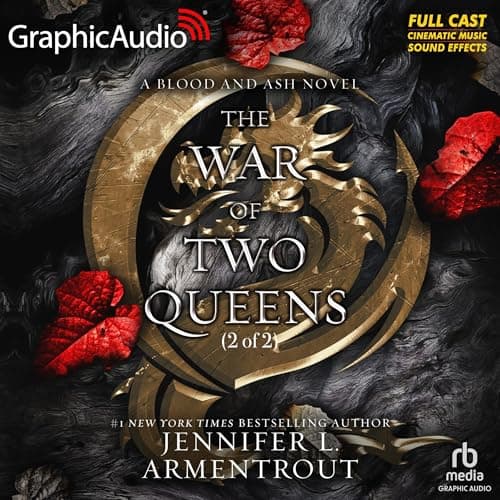

Look, I need to rant about something for a second. I was knee-deep in a coding session at 2 AM - ostensibly working on my procedural generation thesis, actually just refactoring the same function for the fourth time - and the battle scene outside the Atlantian stronghold kicked in with this massive orchestral swell that nearly blew my eardrums out through my headphones. The sound mixing in this dramatized adaptation is both its greatest weapon and its most frustrating flaw, and I have FEELINGS about it.
When Your Fantasy Audiobook Thinks It's a Blockbuster Film
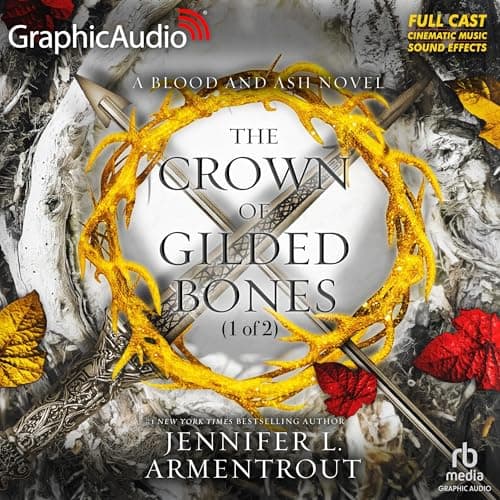
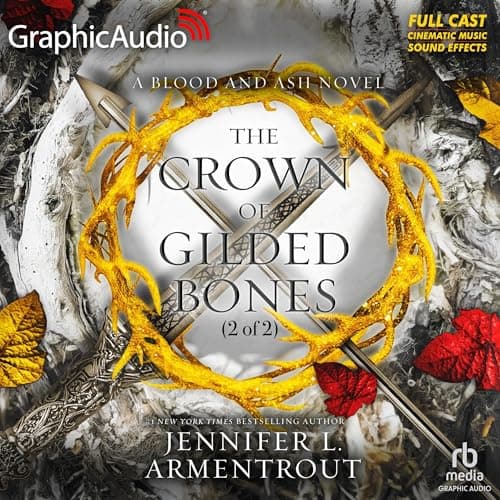
So here's the thing about The War of Two Queens Part 2 as a dramatized adaptation: it's swinging for the fences. Full cast. Cinematic music. Sound effects for everything from swords clashing to doors creaking. And when it works? It genuinely works. Katie Boothe as Poppy carries this thing on her back - she nails the progression from desperate queen to someone grappling with the Harbinger prophecy, and you can hear the weight of that shift in her delivery. Stewart Crank's Casteel has this warm intensity that grounds the romantic moments without making them feel saccharine. The casting for Kieran (Torian Brackett) gives the wolven bond dynamic an actual texture you don't get from a single narrator trying to juggle fifteen voices.
But here's where I get prickly. The sound effects - the rain, the ambient crowd noise, the combat foley - sometimes they just bulldoze the dialogue. There were at least three moments where I had to rewind because the background music crescendoed right over a line that seemed pretty plot-critical. It's like someone in production couldn't decide between "atmospheric enhancement" and "we're scoring a Marvel movie" and split the difference badly. If you're listening while doing anything else - dishes, driving, literally breathing too loudly - you're going to miss things.
The Blood and Ash Power Creep Problem
Okay, cards on the table: I came to Blood and Ash late. My D&D group would love the worldbuilding in the early books - the Craven, the Ascended, the whole Atlantian political structure has real legs. But by book four, part two, we're deep into what I call the Sanderson Escalation without the Sanderson Rigor. Poppy's primal power keeps leveling up, but the magic system here isn't chef's kiss - it's more vibes-based than rules-based. She can do increasingly wild things and the explanation is basically "because she's the Harbinger." As someone who genuinely loves progression fantasy and LitRPG stat blocks, the lack of defined limits makes the stakes feel... squishy? Dire Straits scratches that same itch way more satisfyingly if you want your fantasy power scaling to feel earned rather than vibes-adjacent.
The political maneuvering with the Blood Queen is where this half of the book actually shines, though. Lise Bruneau is absolutely dripping with menace in the role. Ileana's manipulations land harder when you hear the calculated calm in Bruneau's voice versus the raw fury Boothe brings to Poppy's reactions. The Malik subplot with R.J. Bayley adds genuine moral complexity - is he traitor or survivor? The dramatization helps here because you can hear the hesitation, the careful word choices, in a way that print can only suggest.
Who Gets a Seat at This Table (and Who Should Sit This One Out)
If you've been riding with the Blood and Ash series and you loved Part 1 of this dramatized split, this is your payoff. The emotional beats between Poppy and Casteel hit harder with two actual actors playing off each other. The climactic moments around the prophecy fulfillment have genuine dramatic weight with the full production behind them.
But if you haven't read or listened to the previous books? Don't start here. Obviously. And if you're the kind of listener who finds background music in audiobooks distracting rather than immersive, this production will drive you up a wall. The sound design is not subtle. It's not trying to be. You either buy into the "movie for your ears" concept or you'll spend eleven hours fighting the urge to find a clean audio version.
I'll also say this: at 11 hours for Part 2, plus however long Part 1 was, you're investing serious time for what was originally one novel. The split feels commercial rather than artistic. Some sections in the middle drag - there's a stretch of political deliberation with the Atlantian generals that could've been tightened considerably.
Rolling a Persuasion Check on Whether You Should Spend a Credit
The production quality is genuinely ambitious, and when the cast, music, and sound effects align, it creates moments that a single narrator simply can't match. But the inconsistent sound mixing and the fact that you're buying half a book at full price keep me from going all-in. I listened to this instead of writing my thesis, and I don't regret it - but I also didn't finish it with the breathless "I need the next one NOW" energy that the best fantasy audiobooks leave you with. It's a solid execution of a concept that's still figuring out its balance. Pretty good. Not transcendent.