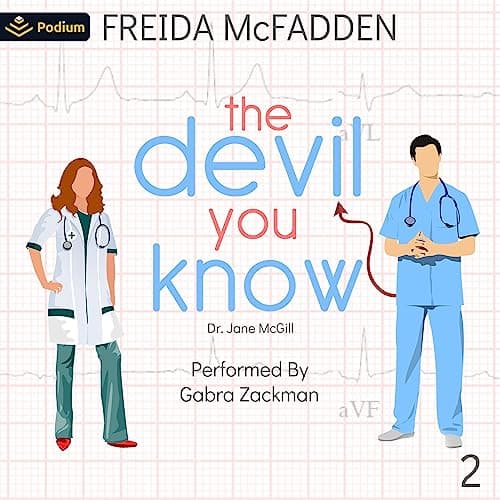

This is not a Freida McFadden thriller. I need to say that upfront because if you're here expecting The Housemaid-level twists, you're going to spend seven hours confused about when the murder happens. It doesn't. The Devil You Know is domestic relationship fiction with a comedic streak, and once you accept that, it's a surprisingly affecting listen.
Dr. Jane McGill has built the sensible life — VA Hospital career, adorable preschooler, dependable software engineer husband. Then her ex, Dr. Ryan Reilly, shows up as the hospital's new vascular surgeon, and every minor marital annoyance suddenly feels like evidence she made the wrong choice a decade ago. It's a setup that could easily slide into predictable love triangle territory, but McFadden is smarter than that. Jane's story isn't really about choosing between two men. It's about a woman confronting the gap between the life she planned and the life she's actually living.
The Comedy Swerve
What caught me off guard was how funny this book is. McFadden writes Jane's internal monologue with real comedic timing — the 3 AM preschooler wake-ups, the husband who treats changing a toilet paper roll like an Olympic event. There's an entire extended scene about who replaces the toilet paper that some listeners have flagged as unnecessarily long, and honestly, they're not wrong. It goes on. But it's also doing something — it's showing you the kind of mundane friction that accumulates in a marriage until the small stuff starts feeling enormous. Whether that lands for you depends on your patience for domestic realism.
Who Should Listen (And Who Should Skip)
If you want relationship fiction that's funny and emotionally honest and you don't mind slower stretches where not much happens plot-wise, this is worth your credit. Jane is painfully relatable as a protagonist. Exhausted, overlooked, second-guessing herself. The humor keeps things from feeling heavy, and when the book does shift into heavier territory — motherhood, mental health, the quiet loneliness of feeling invisible in your own marriage — it earns those moments because you've been laughing with Jane long enough to care.
If you need momentum to stay engaged, or you're planning to half-listen while doing other things, skip this one. The middle section drifts. Daily routine scenes pile up, and without a thriller's pacing engine, your attention will wander during the slower passages. This is a book that asks you to sit with it.
How Zackman Makes It Work
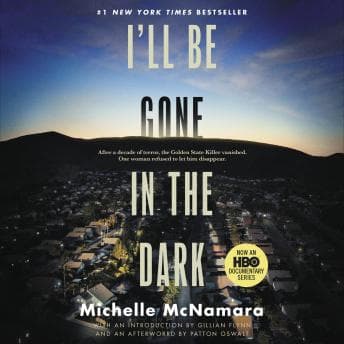
Gabra Zackman carries the entire seven hours alone, and she's the reason the tonal shifts don't feel jarring. Her range genuinely impresses me — I've heard her do something completely different in I'll Be Gone in the Dark, where the material is relentless and devastating and she doesn't flinch. Early in the book, she plays Jane's dry humor with a light, almost conspiratorial delivery — like she's leaning over to tell you something ridiculous about her day. But when the story turns toward Jane's deeper struggles, Zackman doesn't reach for dramatic intensity. She goes quieter. There's a restraint in the late-book emotional scenes that makes them hit harder than any theatrical sobbing would. The ending wrecked me, and it's largely because Zackman underplays it. She trusts the material instead of performing grief at you.
Where It Sits in McFadden's Catalog
If you know McFadden from Never Lie or The Housemaid, think of this as evidence of her range rather than a companion piece. The DNA is recognizable — she's still good at pacing reveals and keeping you uncertain about where things are headed — but the tone is completely different. Lighter, more introspective, genuinely funny. Compared to something like The Inmate or The Wife Upstairs, which run on suspense and dread, The Devil You Know runs on emotional recognition. I reviewed The Inmate and spent most of it white-knuckling through a genuinely unsettling premise — the tonal distance between that one and this is almost disorienting. You're not wondering who the killer is. You're wondering whether Jane is going to blow up her own life, and whether part of you wants her to.
The production is clean and simple. Single narrator, no music or effects, which fits the intimate, confessional feel. At seven hours, it's a manageable length, though trimming twenty minutes from the domestic routine scenes in the middle would have tightened things up.
Night Shift Verdict
This book sneaks up on you. You start thinking it's a breezy workplace rom-com situation — the ex is back, drama ensues — and by the final hour you're sitting in the dark wondering when it reached into your chest. The pacing issues are real, and if domestic minutiae bores you, certain stretches will test your patience. But the emotional payoff is genuine. McFadden doesn't villainize the husband or idealize the ex. Everyone here is flawed and recognizably human, and the ending earns its tears because of that honesty.
A strong listen for anyone in the mood for something warm, witty, and quietly devastating. Just don't come in expecting a body count.