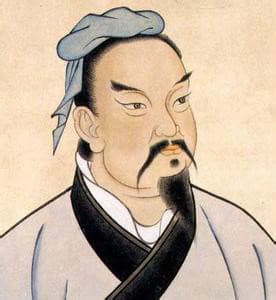

Look, I have a confession. I've been assigning excerpts from The Art of War to my behavioral psychology students for years—using it as a lens to examine strategic thinking and decision-making under pressure. But I'd never actually listened to the whole thing in one sitting. So when I found this LibriVox version clocking in at under an hour, I thought: perfect. Morning jog material.
I was half right.
The Psychology of Ancient Strategy
Here's what fascinates me about Sun Tzu, and why I keep coming back to this text despite it being roughly 2,500 years old: the man understood human behavior. Like, really understood it. Before we had fMRI machines and double-blind studies, this Chinese military general was essentially writing a behavioral playbook. "Know your enemy and know yourself, and in a hundred battles you will never be in peril." That's not just military advice—that's the foundation of every negotiation tactic, every therapeutic intervention, every successful relationship strategy I've ever studied.
The research actually shows that strategic thinking activates the same neural pathways whether you're planning a military campaign or navigating office politics. Sun Tzu intuited this. The 13 chapters cover everything from terrain to espionage, but underneath it all is a sophisticated understanding of human motivation. Why do people fight? Why do they surrender? What makes someone predictable versus unpredictable?
Psychologically, this tracks completely.
The Voice in My Head (And Its Limitations)
Okay, so. The LibriVox volunteers. Bless them, truly—they're doing important work making classic texts accessible to everyone for free. I had the same mixed feelings about their work on War and Peace, Book 01: 1805—admirable mission, variable execution. But let's be honest about what you're getting here.
The narration is... functional. Clear enunciation, steady pacing, faithful to the text. If you're looking for someone to dramatically interpret Sun Tzu's strategic wisdom with varying tones and emotional weight? This ain't it. The delivery trends monotone, which for dense philosophical content can be a challenge. I found myself zoning out around chapter seven—something about maneuvering—and had to rewind twice.
Here's the thing though: I'm not sure dramatic narration would actually serve this text better. Sun Tzu wasn't writing poetry. He was writing instructions. The flat delivery almost mirrors the clinical, detached tone of the original. My therapist would have thoughts about this character—and by character, I mean Sun Tzu himself, who comes across as almost pathologically rational. Maybe neutral narration is appropriate for a man who advised treating soldiers like beloved children one moment and expendable assets the next.
(Don't tell my students I said the narration was boring. They'll use it as an excuse.)
Why This Format Is Tricky
I found myself asking: why does this classic work less well in audio than on the page?
And I think I figured it out. The Art of War is meant to be studied, not consumed. Each chapter is dense with strategic principles that build on each other. When you're reading, you can pause, flip back, underline something. When you're jogging through Cambridge at 6 AM trying not to trip over a tree root, you can't exactly stop to contemplate the implications of "supreme excellence consists in breaking the enemy's resistance without fighting."
The 47-minute runtime is deceptive. It sounds manageable. But this isn't a thriller where the plot carries you forward. It's philosophical instruction, and in audio form, it demands more attention than casual listening allows. I ended up relistening to the whole thing while cooking—standing still, no distractions—and got way more out of it the second time.
A fascinating case study in how format affects comprehension. The content is timeless. The medium? Challenging.
Who Should Listen (And Who Should Skip)
If you're a student of strategy—military, business, or psychological—and you want the text in your ears while you do something else, this works. It's free, it's clean, it's accurate. For commuters who want to feel intellectually productive? Sure. You'll absorb something. But if you're expecting the kind of engaging performance that makes audiobooks addictive, skip this version. The content deserves better production, honestly. There are paid versions with more dynamic narration that might serve you better.
For me, I'm glad I finally listened. Sun Tzu's insights into human nature remain remarkably relevant—the patterns he identified in 500 BC still play out in boardrooms and therapy sessions today. Souls of Black Folk operates from a similar place of psychological honesty, examining behavior patterns under different but equally intense pressures. What makes this text compelling is its unflinching honesty about how people actually behave under pressure, not how we wish they would.
Would I listen again? Probably not this version. But the wisdom? That stays with you.