
How many real estate books does it take before you realize they're all saying the same thing?
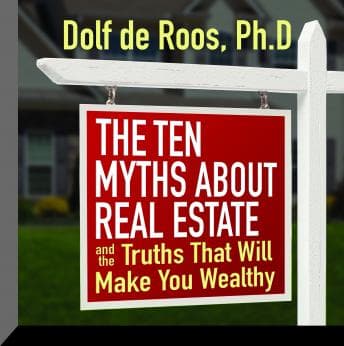
I was prepping for a call with a proptech startup founder - the kind of guy who throws around "disrupting real estate" like it's a personality trait - and figured I'd knock out Dolf de Roos's Ten Myths About Real Estate during my morning run. At 3 hours 45 minutes, this is practically a podcast episode by audiobook standards. Even at 1.5x (yes, I went slower than usual - more on that in a second), I was done before lunch.
My Parents Bought Their First Property in 1994. They Didn't Need a Myth-Busting Framework.
Here's what gets me about books like this. De Roos spends time debunking the myth that "real estate is no longer a good investment" - a take that was maybe relevant right after 2007 but feels like punching air in 2024. His core argument is sound: when everyone panics and leaves the market, smart investors buy at a discount. Fine. This is what my parents did instinctively. Now it has a TED talk. They bought a small commercial space in Koreatown when nobody wanted to touch commercial real estate post-recession. No PhD required, no mythbusting framework. Just immigrant math: cheap price, good location, steady tenants.
That same gut-level conviction about property ownership—the refusal to be priced out of a dream—is the pulse underneath every scene of Raisin in the Sun.The strongest section is his breakdown of why fix-and-flip is NOT real estate investing. He's blunt about it - calls it a job, not an investment strategy. That distinction alone is worth hearing, especially for the HGTV crowd who think slapping shiplap on a wall constitutes a wealth-building strategy. I've seen authors try to land that same distinction and miss—Dreamland comes to mind, where the fix-and-flip takedown felt more like a rant than a lesson. De Roos makes a clear case that real investing is about cash flow and long-term holds, and he draws from his own portfolio across multiple countries to back it up. The international perspective is actually the most interesting angle here - most US-focused real estate books treat the American market like it's the only one that exists.
3 Hours 45 Minutes and Still Some Padding
The key takeaway is worth the listen. The other 2.5 hours? Not so much. For a book this short, there's a surprising amount of repetition. De Roos circles back to his credentials - PhD, global investor, decades of experience - more than necessary. I get it, you're qualified. Move on.
His section on crowdfunding in real estate feels tacked on, like someone told him he needed a "modern" chapter. It's surface-level and dated almost immediately. And the baby boomer/millennial demographic analysis is the kind of broad-stroke generational stuff you'd get from a five-minute Google search.
Here's where I'll give him genuine credit though: de Roos narrates his own book, and unlike most author-narrators who sound like they're reading a teleprompter at gunpoint, he actually sounds like a guy talking to you at a conference dinner. Not polished. Not theatrical. Just a dude who's bought a lot of property explaining why most people overthink it. His delivery is conversational enough that the 1.5x speed felt natural - at 2.0x he started to blur, which usually means the narrator has decent natural rhythm.
The Three Rules Problem
De Roos promises "the three most important rules in real estate" and delivers... location, location, location. With some caveats and context, sure, but come on. If you've read literally any real estate book published after 1985, this isn't new. He wraps it in enough anecdotal evidence from his own deals to keep it from being completely stale, but I wanted more edge, more contrarian thinking. For a book built around "myths," the truths are remarkably conventional.
The real value here is for absolute beginners who've been scared off real estate by the 2007 crash narrative or by the complexity myth. De Roos does a decent job lowering the psychological barrier to entry. But if you've already read Kiyosaki (de Roos is in that orbit, by the way - Rich Dad advisor), or Brandon Turner, or pretty much any BiggerPockets content, you're going to be checking your watch.
Who Gets ROI From This
If you're completely new to real estate investing and need someone to tell you it's not as scary as you think - this is a painless 3.5-hour entry point. If you've been in the game for more than six months or have read more than two books on the subject, skip it. You already know these myths. You've already debunked them yourself.
Jenny would say I'm being harsh. Jenny is right. But she'd also agree that at $15 credit price, you can find meatier real estate content. The fix-and-flip critique and the international investing perspective are the two genuinely useful sections. The rest is encouragement dressed up as education.
Bottom line: a fine audiobook for nervous first-timers. For everyone else, it's a 3-hour 45-minute reminder that most business books exist to sell speaking engagements.