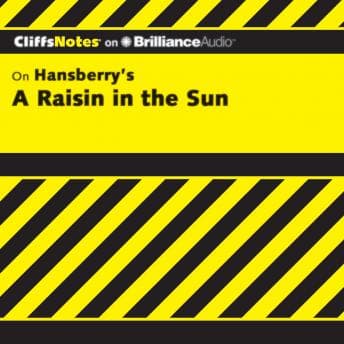

Look, I need to get something off my chest. I've been teaching A Raisin in the Sun for seventeen years. Seventeen. I've watched students stumble through Mama's monologues, butcher Walter Lee's dreams, and completely miss the point of that plant metaphor more times than I can count. So when I tell you I downloaded a CliffsNotes audiobook to listen to while grading essays at 11 PM, you can judge me. I'm judging me too.
But here's the thing—sometimes you need the academic scaffolding. Sometimes you want someone to walk you through Hansberry's genius so you can better explain it to a room full of teenagers who think "deferred dreams" is a TikTok trend.
The Irony of Teaching Tools
This is a study guide. Let's be clear about that. It's not the play itself—if you want that experience, go find Ruby Dee's performance or the Sidney Poitier film. This is Rosetta James B.A. breaking down themes, symbols, and character arcs in that particular academic voice we all know from our grad school days. Kate Rudd narrates with the kind of measured, educational tone that feels like a really good lecture.
And honestly? Rudd does solid work here. She's clear, paces the analytical sections well, and doesn't try to over-dramatize what is essentially literary criticism. There's no pretense that this is the play—it's a companion piece, and she treats it that way. Her voice has this steady, almost reassuring quality that works for the format. (My students would absolutely fall asleep to this. I found it weirdly comforting.)
The content covers what you'd expect from CliffsNotes—biographical context on Hansberry, thematic breakdowns, character analyses. The sections on Hansberry's life are genuinely valuable. Understanding that she grew up in Chicago, that her family's housing discrimination case went to the Supreme Court, that she wrote this play at twenty-nine and died at thirty-four—this context matters. It changes how you hear Walter Lee's desperation. It deepens Mama's quiet strength.
What This Does (and Doesn't) Do
At just under three hours, this is a quick listen. I got through it during two lakefront walks with Denise and one particularly tedious department meeting. (Principal Martinez, if you're reading this—I was definitely paying attention to the budget presentation. I wasn't. I was learning about Hansberry's use of domestic space as political statement.)
The critical commentaries are where this guide earns its keep. The analysis of the Younger family's apartment as both prison and possibility—that's the kind of reading I want my students to understand. The breakdown of how Hansberry subverts expectations of the "tragic mulatto" trope, how she centers Black joy and Black struggle without making either a spectacle for white audiences—this is why we still teach the classics.
But let me be honest about the limitations. This is supplementary material. If you haven't read or seen A Raisin in the Sun, this won't give you the experience of the work itself. You won't feel the weight of Beneatha's dreams or the devastating hope in that final scene. Study guides explain the architecture; they don't make you live in the house.
The glossaries at the end of each chapter are helpful for students, though hearing vocabulary definitions read aloud feels a bit strange. And the production quality is clean but basic—no music, no dramatic readings, just straightforward educational content.
Who Gets the Most Out of This
Teachers prepping to teach the play (guilty), students who need additional context after reading it, book club members who want to lead a deeper discussion, or anyone returning to Hansberry's work after years away who wants a refresher on the critical framework.
Skip it if you haven't experienced the play first. Go read it. Go watch it. Let Mama's plant metaphor hit you in the chest before you hear someone explain why it works.
Though if you want something that'll hit you differently, Alice In Wonderland offers its own kind of symbolic depth—just with more talking rabbits and existential tea parties.
Class Dismissed
I keep coming back to something Hansberry said—that she wasn't interested in writing plays about "the Negro problem" for white audiences, but in writing about human beings who happened to be Black. This study guide understands that. It treats the Younger family as fully realized people worthy of serious literary analysis, not as symbols or lessons.
My students would hate listening to this. They'd call it boring, too academic, too slow. But they'd benefit from it. And honestly, so did I. After seventeen years of teaching this play, I still learned something new about Hansberry's structural choices and her deliberate rejection of assimilationist narratives.
That's the thing about the classics. There's always more to find.