What makes a military thriller actually work for someone who's lived it?
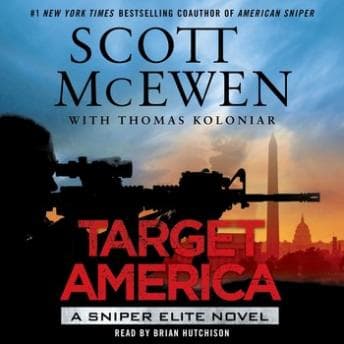
I was driving back from a client site in Houston—three hours of I-10 with nothing but flat Texas scrubland and my own thoughts—when I finally cracked into this one. The premise had me skeptical from the jump. Chechen terrorists, suitcase nukes, Mexican border crossing. Sounds like a fever dream cooked up by someone who's never been closer to an op than a Tom Clancy movie marathon.
But here's the thing. McEwen actually did his homework.
The Details That Matter
Let me cut to the chase: this book gets the small stuff right, which means the big stuff lands harder. The way Gil Shannon's team operates, the friction between SEALs and Delta guys, the bureaucratic nightmare of running an off-the-books unit—it all tracks. I've watched joint task forces implode over ego and interservice rivalry. McEwen captures that tension without making it cartoonish. I've seen that same authenticity in military sci-fi like Second Foundation, where the tactical thinking feels grounded even when the setting isn't.
The Chechen angle is interesting too. Most writers would've gone with generic Middle Eastern bad guys and called it a day. But Chechens? That's a specific kind of desperate, a specific kind of brutal. These are people who've been fighting Russians for generations. The Cold War-era nuke crossing the southern border isn't just a plot device—it's a reminder that old Soviet hardware is still floating around out there, and someone's eventually going to try something stupid with it.
Fair warning: the first hour or so drags. I was about ready to bump it up to 1.5x and power through when things finally kicked into gear. Once Shannon's team gets reactivated? Couldn't stop listening. Ended up sitting in my driveway for twenty minutes because I couldn't pause mid-operation. Ranger gave me a look through the window like I'd lost my mind.
Hutchison Behind the Mic
Brian Hutchison handles narration duty, and the man knows what he's doing. He's not doing theatrical voices for every character—this isn't a radio drama—but he shifts enough between speakers that you always know who's talking. His pacing matches the action. When things go loud, he picks up speed. When Shannon's planning, he slows down, lets you process the tactical thinking.
What I appreciated most: he doesn't oversell the emotional beats. Military guys don't monologue about their feelings. We grunt, we move on, we deal with it later (or never). Hutchison gets that. The tension comes through without melodrama. When things get heavy—and they do—he lets the writing carry the weight instead of hamming it up.
Where It Lost Me (Briefly)
I've got complaints. Some of the political maneuvering at the White House level felt thin. Real crisis management is messier, slower, more bureaucratic than what's portrayed here. And there's a subplot involving one of the team members that felt like setup for future books rather than something essential to this story.
Minor gripes. The core mission—stop the nukes, save American lives—stays focused and urgent. McEwen doesn't get lost in side quests or romantic subplots. Mission first. I respect that.
Who Should Gear Up (And Who Should Stand Down)
If you're a military thriller fan who gets annoyed when authors mess up basic terminology or tactics, you're safe here. McEwen's American Sniper credentials aren't just marketing—the authenticity shows. Skip it if you need complex character development or literary prose. This is a mission-focused book. The characters serve the plot, not the other way around. That's not a flaw—it's a feature.
Mission Debrief
Ten hours well spent. The slow start almost cost it, but once Target America finds its rhythm, it's a solid tactical thriller that respects both its subject matter and its audience. Hutchison's narration keeps you locked in without getting in the way. I've already got the next one queued up.
Ranger approved this one. He perked up during the gunfight sequences. Good dog.