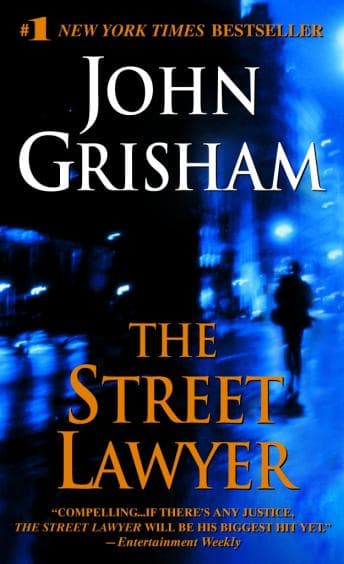

I was making dal at 10 PM—the complicated version with tempered spices that my mother would still somehow find fault with—when Michael Brock's entire worldview shattered. There's something about stirring a pot while listening to a man question every choice that brought him to a corner office at a D.C. megafirm. The homeless man with the gun, the blood, the sudden clarity. I burned the cumin.
Grisham's doing something different here, and I noticed it immediately. This isn't the usual legal thriller machinery where plot twists drive everything forward. This is a character study wearing a thriller's clothes.
The Psychology of Privilege Collapse
The protagonist exhibits classic identity dissolution patterns—and I mean that as a compliment. Michael Brock isn't having a midlife crisis; he's experiencing what we'd call a "moral injury" in psychological terms. The research actually shows that witnessing violence can trigger profound value reassessment, and Grisham gets this right. Michael doesn't just feel bad about homeless people after the hostage situation. He can't unsee the gap between his $120,000 salary and the people sleeping on heating grates three blocks from his office.
What makes this character compelling is that his transformation isn't clean. He's still arrogant. Still thinks like a Drake & Sweeney lawyer even when he's trying to be a street lawyer. His wife leaves him—not because he's doing good work, but because he becomes insufferable about it. Psychologically, this tracks. People who experience sudden moral awakenings often become the worst kind of zealots. Michael walks that line.
Frank Muller's narration captures something critics missed: Michael's inner conflicts that Grisham never explicitly states. When Michael's justifying his choices—to himself, to his wife, to his former colleagues—Muller adds this edge of self-doubt underneath the conviction. It's subtle work. Restrained, even. Some listeners apparently hated this approach (one called it "the absolute worst," which made me wonder if we heard the same audiobook). But for me, the restraint is the point. Michael isn't a hero. He's a complicated man doing complicated things for reasons he doesn't fully understand.
The Deliberate Pace Problem
Here's where I found myself asking: why does Grisham really slow everything down? This is a departure from his usual style—fewer characters, fewer scene shifts, more time sitting with Michael's thoughts. At ten hours, you feel the deliberateness. Some sections drag. There's a lot of Michael walking through shelters, talking to homeless clients, discovering the conspiracy piece by piece. That same deliberate pacing shows up in Ice Princess, where the slow unraveling of secrets demands your full attention.
For focused listening, this works. I wouldn't recommend this for your morning jog or background noise while grading papers. (Trust me, I tried. Lost track of both the plot and my students' thesis statements.) This demands attention. The conspiracy involving Drake & Sweeney and an illegal eviction unfolds slowly, and if you miss details, you'll miss the stakes.
Muller's clear, expressive delivery helps here. He doesn't rush through the procedural sections or oversell the emotional beats. When Michael finds the confidential file that could destroy his former firm—and his own career—Muller lets the weight of it land without melodrama.
Grisham Gets Human Nature (Mostly)
Grisham's been doing this for decades, and you can tell he cares about the subject matter. His real-world involvement in legal justice causes shows. The homeless characters aren't props; they're people with histories, with reasons for where they ended up. Mordecai Green, the street lawyer who becomes Michael's mentor, feels like someone Grisham actually knows.
But—and my therapist would have thoughts about this character—Michael's transformation happens a bit too neatly by the end. The man who couldn't spare change three weeks ago is now risking disbarment for people he just met? The research on moral development suggests this kind of change takes years, not weeks. Grisham compresses the timeline for narrative purposes, and it shows.
Still. I'd rather have a flawed character study than a perfect thriller. And Grisham gives us both the legal machinations and the psychological depth, even if neither reaches its full potential.
Who Should Listen (and Who Should Skip)
If you want Grisham's usual pace—the twists, the courtroom fireworks, the sprint to the finish—skip this one. But if you're interested in what happens when someone's entire value system collapses and they have to rebuild from scratch, with all the mess that entails, you'll find something here.
Muller's narration will either work for you or it won't. Some people want bigger character voices, more theatrical delivery. Muller gives you something quieter. I appreciated it. Your mileage may vary.
My Clinical Assessment
This is a fascinating case study in privilege, guilt, and the limits of individual action against systemic problems. Grisham doesn't pretend Michael can fix homelessness. He can barely fix himself. That honesty elevates the book above its genre constraints, even when the pacing tests your patience.
I finished it while cleaning up the burned dal. Made a new batch. Thought about the choices we make when we finally see what we've been ignoring. Pretty good audiobook for that kind of night.