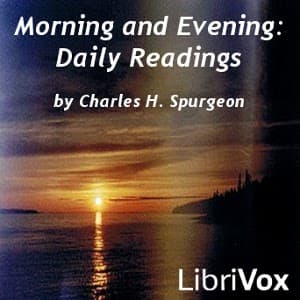

I started listening to this during a particularly brutal stack of sophomore essays on The Great Gatsby - you know, the ones where every student thinks they've discovered symbolism for the first time - and Spurgeon's sermons hit different when you're drowning in red ink at 11 PM.
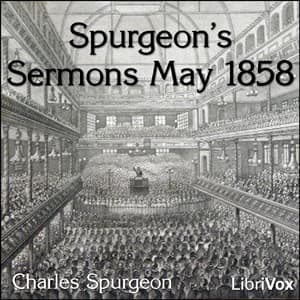
Here's the thing about Victorian-era preaching that my students would never understand: these weren't meant to be read silently. They were performances. Spurgeon packed out venues that seated 10,000 people. Ten thousand. In an era without microphones. The man was basically the rock star of Baptist theology, and these May 1858 sermons capture him at the height of his powers.
The LibriVox Lottery
This is a volunteer production, which means - and I say this with genuine affection for the project - you're going to get some inconsistency. Some of the readers absolutely nail it. Clear enunciation, appropriate pacing, the kind of measured delivery that lets Spurgeon's theological precision breathe. Others... well. Let's just say there's a reason one listener specifically mentioned wishing for "a proper English accent." (For sermons delivered in Victorian London, that's not an unreasonable ask.)
The prose deserves to be savored. Spurgeon writes with this penetrating clarity that cuts through 166 years like it's nothing. His exposition is precise without being cold, theological without being inaccessible. This reminds me of what Hemingway said about prose being architecture - except Spurgeon builds cathedrals where Hemingway built clean modernist boxes. Different structures, same commitment to every word earning its place.
But here's where I have to be real with you: the multiple narrator situation creates this weird tonal whiplash. You'll settle into one reader's rhythm, start to feel the sermon building toward its point, and then the next track hits and suddenly you're adjusting to someone completely different. It's like watching a play where they swap out the lead actor between scenes. Technically fine. Emotionally jarring.
The better readers understand that pause is punctuation. I noticed the same narrator lottery effect in Pickwick Papers - some LibriVox volunteers just get it, others don't. The weaker ones fall into that trap of reading words rather than delivering meaning. There's a difference between reciting a sermon and preaching it, even in audiobook form. Some volunteers clearly understood they were handling something sacred. Others treated it like reading a grocery list. (Don't tell my students I said that. They already think I'm too harsh on oral presentations.)
What I genuinely appreciated: the production quality is clean. No weird background noise, no technical hiccups, just straightforward audio. For a free volunteer project, that's not nothing. And at 4 hours 20 minutes, it's the perfect length for a week of lakefront walks with Denise. She tolerates my theological tangents better when we're moving.
If You Love Classic Devotional Literature
Think Augustine's Confessions or Jonathan Edwards' sermons - this is their spiritual successor. That same balance between accessibility and depth shows up in Redeeming Love, though obviously in a very different narrative form. Spurgeon occupies this fascinating space where he's accessible enough for regular churchgoers but substantive enough for serious theological study. My mom would probably fall asleep during this too, but that's more about her relationship with anything longer than a TikTok than any failing of the content.
Worth pausing the faculty meeting for? Depends on the sermon. The collection has highs and lows, and the narrator lottery means you might hit a monotone stretch right when the theology gets interesting. But when it works - when you get a strong reader delivering Spurgeon's precise exposition - it's genuinely moving stuff.
My students would hate this. Too slow, too formal, too much careful attention required. I love it. Not unreservedly, not without acknowledging the production limitations, but genuinely. There's something grounding about listening to sermons that packed out music halls 166 years ago and realizing the questions haven't changed much. We're still wrestling with the same stuff Spurgeon's congregation was wrestling with.
Who This Is (and Isn't) For
If you're interested in 19th-century religious history, classic Christian thought, or just really precise theological prose - and you can tolerate uneven volunteer narration - this is a pretty good deal at zero dollars. Skip it if you need polished, consistent performance quality or if Victorian formality makes your eyes glaze over.
Mr. Williams Signs Off
This is free on LibriVox. The price of admission is zero dollars and some patience. Just keep your expectations realistic about the performance quality. It's volunteer work. Some volunteers are better than others. That's just how it goes.