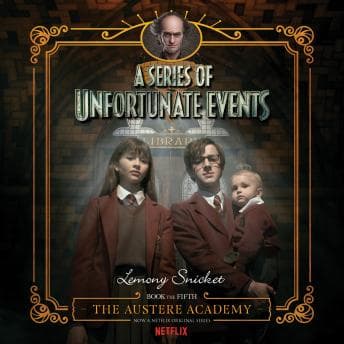

Most people expect audiobook narrators to perform like they're auditioning for a Broadway musical. So when Lemony Snicket himself steps behind the microphone to read his own work, the reaction splits dramatically. Some listeners find it brilliant. Others reach for the skip button. I'm firmly in the first camp, and here's why the author's deadpan delivery actually makes this installment land harder than it would with a more theatrical narrator.
The Austere Academy sends the Baudelaire orphans to Prufrock Preparatory School, a place so aggressively unwelcoming that its motto—Memento Mori, or "Remember you will die"—is carved into a stone arch at the entrance. Cheerful stuff for a children's book. The orphans are forced to live in a shack called the Orphan Shack (because subtlety is not this school's strong suit), attend classes taught by incompetent teachers, and deal with the relentless cruelty of Carmelita Spats, possibly the most annoying child in literary history. And of course, Count Olaf lurks nearby in yet another terrible disguise.
Why Snicket's Weariness Works
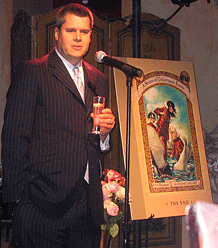
Snicket's narration style is precisely what this material demands. His voice carries a perpetual weariness, like someone who has witnessed too many tragedies to muster enthusiasm but feels compelled to document them anyway. When he explains vocabulary words or offers his trademark asides about the miserable fates awaiting the characters, the slight depression in his tone transforms what could be simple dark comedy into something genuinely funny. There's an intimacy to hearing the author read his own work that no hired voice actor can replicate—every pause, every emphasis, every dry observation feels intentional in a way that connects you directly to the source.
The character work won't win any voice acting awards, and that's actually fine. Snicket doesn't attempt wildly different voices for each character. Instead, he shifts subtly, giving you enough distinction to follow conversations without turning the performance into a circus. Some listeners have complained about uneven sound levels when he switches between narration and dialogue, and they're not wrong—I found myself adjusting volume occasionally when character voices dipped quieter than the main narration. It's a minor production issue that doesn't ruin the experience but does pull you out momentarily.
The Quagmires Change Everything
This fifth book introduces the Quagmire triplets—well, two of them—who become the first real friends the Baudelaires have encountered since their parents died. Their presence adds emotional stakes that the earlier books sometimes lacked. You actually care when things go wrong, which in this series means you care constantly. Snicket's reading of these friendship scenes carries genuine warmth beneath the gloom, making the inevitable terrible events hit harder.
Now, the criticism that Snicket isn't as engaging as Tim Curry's narration of other audiobooks? Fair point, if you're measuring engagement by energy and theatrical flair. Curry is a powerhouse performer who could make a grocery list sound dramatic. But that's not what these books are. The humor in A Series of Unfortunate Events comes from the contrast between horrific events and the calm, almost resigned way they're described. A high-energy narrator would fight against the material rather than serve it.
At just over three hours, this is a quick listen. Perfect for a commute or two, or a rainy afternoon when you want something that entertains without demanding intense concentration. The pacing moves briskly through the school's absurdities, and Snicket's matter-of-fact delivery keeps things rolling even during exposition-heavy sections.
A Note for Parents
Parents considering this for young children should know that while the violence is never graphic, the themes are genuinely dark. Characters face real danger, adults consistently fail to protect children, and the world operates on a logic where bad things happen to good people for no fair reason. That same unflinching honesty about life's unfairness shows up in Truth About Tall Tales, which strips away the sanitized versions of folklore to reveal the messier realities underneath. It's appropriate for older children who can appreciate the satirical elements, but might be too bleak for very young listeners expecting a traditional happy adventure.
The production quality is generally clean, though those volume inconsistencies I mentioned do exist. Nothing that requires constant adjustment, but enough that you'll notice if you're listening through headphones in a quiet environment. A minor flaw in an otherwise solid audiobook.
Who Should Listen (And Who Should Look Away)
This one's for readers who appreciate dry wit over dramatic flair, and anyone curious what an author's voice adds to their own creation. Skip it if you need high-energy narration to stay engaged, or if you're looking for something uplifting for very young children.
Straight From the Source
What makes this recording work is the perfect alignment between author, material, and delivery. Snicket wrote these books in a specific voice, and hearing him actually speak that voice closes a loop that other narrators, however talented, can only approximate. You're not listening to an interpretation—you're listening to the source.