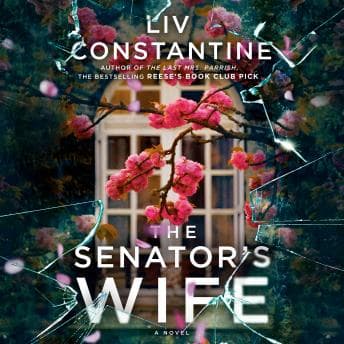

"Why is Athena asking her so many probing questions about her foundation—as well as about her past?"
I was about three hours into this audiobook, chopping onions for a dal that was way more ambitious than my Wednesday evening energy levels, when that line hit and I literally stopped mid-dice. Because here's the thing about psychological thrillers featuring caregivers-gone-wrong: the setup is almost always the same. Vulnerable person. Too-perfect helper. Slow descent into paranoia. But Liv Constantine understands something crucial about human nature that a lot of thriller writers miss—the horror isn't in the gaslighting itself. It's in watching someone doubt their own perception while we, the audience, aren't entirely sure if they should.
This is a fascinating case study in what psychologists call "reality monitoring"—the cognitive process we use to distinguish between what actually happened and what we imagined or feared. Sloane Chase, our D.C. philanthropist protagonist, exhibits classic symptoms of someone whose reality monitoring is being systematically undermined. She's managing lupus, recovering from hip surgery, grieving a dead spouse, navigating a new marriage to a senator. The woman is cognitively overloaded before Athena even walks through the door. And Constantine knows exactly what she's doing with that setup.
When Paranoia Becomes the Point
What makes this character compelling is that Sloane isn't a passive victim. She's intelligent, wealthy, connected—the kind of woman who runs charitable foundations and attends White House dinners. The research actually shows that high-functioning, successful people often make the most vulnerable targets for manipulation precisely because they can't believe it's happening to them. Their competence becomes a blind spot. My therapist would have thoughts about this character, honestly. The way Sloane oscillates between trusting her instincts and dismissing them as lupus-related brain fog? Psychologically, that tracks perfectly.
Kirsten Potter's narration captures this internal war beautifully. Her voice has this quality—smooth enough to keep you in the story, but with enough edge to convey Sloane's growing unease. She differentiates between characters well, though I'll admit the D.C. socialite voices start blending together after a while. (Can you blame her? These people probably all sound the same in real life.) Where Potter really shines is in the quieter moments—the scenes where Sloane is alone, questioning herself, cataloging small wrongnesses that might be nothing or might be everything.
The pacing drags a bit in the first third. I found myself asking: why does Sloane really need this much setup? We get the tragic backstory, the new marriage, the lupus diagnosis, the foundation work, the political landscape. It's a lot of table-setting before the actual meal arrives. But once Constantine starts tightening the screws—around hour four, roughly—time flew. I burned my dal. Worth it.
The Athena Problem (And Why It Works)
Okay, so. Athena Karras. The home health aide who's either a godsend or a nightmare in scrubs. The protagonist exhibits classic hypervigilance toward her, which could be justified paranoia or could be the lupus talking. Constantine plays this ambiguity like a violin.
What I appreciated is that Athena isn't written as cartoonishly evil. She's competent. She's helpful. She says the right things. And that's exactly what makes her terrifying—if she is, in fact, what Sloane suspects. The "sultry looks" between Athena and Senator Whit? They might be there. They might be Sloane's projection. The probing questions about the foundation? Could be genuine interest. Could be reconnaissance.
This is where Constantine's background in psychological suspense really pays off. Butterfly Room plays with similar ambiguity around its central character, though it leans harder into the gothic elements. If you've read The Last Mrs. Parrish (and if you haven't, honestly, why not), you know she excels at creating female antagonists who weaponize likability. Athena fits that mold while still feeling fresh.
The Voice in My Head
Potter keeps the nine-hour runtime from feeling bloated, mostly. Her pacing is measured without being sluggish, and she handles the D.C. setting with appropriate polish. Some reviewers mentioned a Southern accent that occasionally surfaces—I didn't find it distracting, but your mileage may vary. The audio quality is clean, no weird background noise or production issues that pulled me out.
I listened mostly during morning jogs and cooking sessions, and it held my attention through both. The chapters are well-structured for stop-and-start listening, which matters when you're trying to fit a thriller around an actual life.
Would I Listen Again?
Look, this isn't reinventing the domestic thriller wheel. If you've read enough of this genre, you'll spot some of the twists coming. Dark Hours had me guessing until the final chapter, which is rare for me these days. But Constantine executes the formula with enough psychological intelligence that I didn't mind. The ending has genuine surprises—at least two moments where I said "oh" out loud to no one—and the resolution feels earned rather than convenient.
Who should listen: Anyone who loved The Last Mrs. Parrish, fans of Greer Hendricks and Sarah Pekkanen, people who enjoy watching powerful women slowly realize they're in danger. Also anyone fascinated by the psychology of manipulation and gaslighting. (So, basically, me.)
Who should skip: If you need fast action from page one, this will frustrate you. If unreliable narrators annoy rather than intrigue you, same. And if you're currently dealing with health anxiety or medical gaslighting in your own life, maybe save this one for later. It hits close to some uncomfortable realities about how easily we can be made to doubt ourselves.
The thriller genre is crowded, but Constantine carves out her space by taking character psychology seriously. And honestly? That's all I ask.