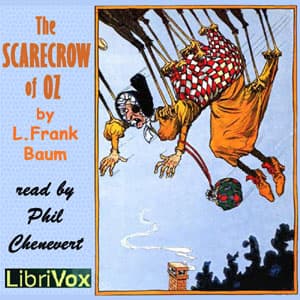

I was supposed to be debugging my procedural dungeon generator at 2 AM. Instead, I'm listening to a 1915 children's fantasy about a scarecrow overthrowing a tyrant king while my thesis advisor's disappointed face haunts my peripheral vision. Worth it? Absolutely.
Look, I grew up on Oz. Not the Judy Garland version (though respect), but the actual Baum books—all fourteen of them, devoured in the back of my county library between D&D sessions. So when I tell you The Scarecrow of Oz hits different as an adult, I mean it. This was Baum's favorite of his own Oz books, and honestly? I get it now.
Interconnected Universes Before Marvel Made It Cool
Baum was doing crossover events in 1915. Cap'n Bill and Trot—characters from his non-Oz books—get pulled into the Oz mythology here, and the transition works surprisingly well. The journey through underground caves, the encounter with the Bumpy Man as the Mountain Ear (yes, a literal ear in a mountain, just roll with it), the popcorn snow—this is pure early 20th century whimsy that somehow doesn't feel dated.
The magic system is... well, it's not Sanderson-level, let's be honest. It's vibes-based magic, the kind where a magic umbrella just works because Button-Bright found it and that's that. But for a 5-hour listen, the looser rules work. You're not here for hard magic systems. You're here for a scarecrow outsmarting a cruel king named Krewl (subtle, Frank, real subtle) through clever tricks rather than violence.
Phil Chenevert Commits to the Bit
Here's the thing about narrating children's classics—you can either phone it in or commit. Chenevert commits. His character differentiation is genuinely solid; you can tell who's speaking without the "said Cap'n Bill" tags. The Scarecrow gets this slightly airy, theatrical quality that fits a sentient stuffed man. Cap'n Bill sounds appropriately gruff and sailor-ish. It's not Tim Curry levels of theatrical (what is?), but for a LibriVox-style production, it punches above its weight.
I've listened to other Chenevert Oz recordings, and there's a consistency here that matters. He knows this world. He's not treating it like a paycheck read.
Five Hours of Pure Forward Momentum
At 5 hours 19 minutes, this is a quick listen—I knocked it out across two late-night coding sessions (or "coding" sessions, since my IDE was definitely not the focus). The pacing is episodic, which makes sense for a book originally meant to be read aloud to kids. Short chapters, clear scene breaks, constant forward momentum.
If you're used to modern fantasy's 40-hour epics, this might feel slight. I've sat through Brisingr and sometimes a tight 5-hour adventure is exactly what you need. There's something refreshing about a complete adventure that doesn't require a wiki to track. My D&D group would love this as palette cleanser between our Curse of Strahd sessions.
Roll for Nostalgia (or Skip This Encounter)
Nostalgia seekers who grew up on Oz and want a comfort listen—this is your jam. Parents looking for something to play on road trips that won't make them want to drive into a ditch—solid choice. Fantasy readers curious about the genre's roots—genuinely worth your time.
Skip if you need grimdark stakes, complex magic systems, or anything approaching moral ambiguity. King Krewl is evil because he's mean. The Scarecrow is good because he's clever and kind. It's that simple, and that's the point.
The Thesis Can Wait
Is this the best audiobook I've ever heard? No. Is it a charming, well-narrated piece of fantasy history that reminded me why I fell in love with the genre in the first place? Yeah. Yeah it is.
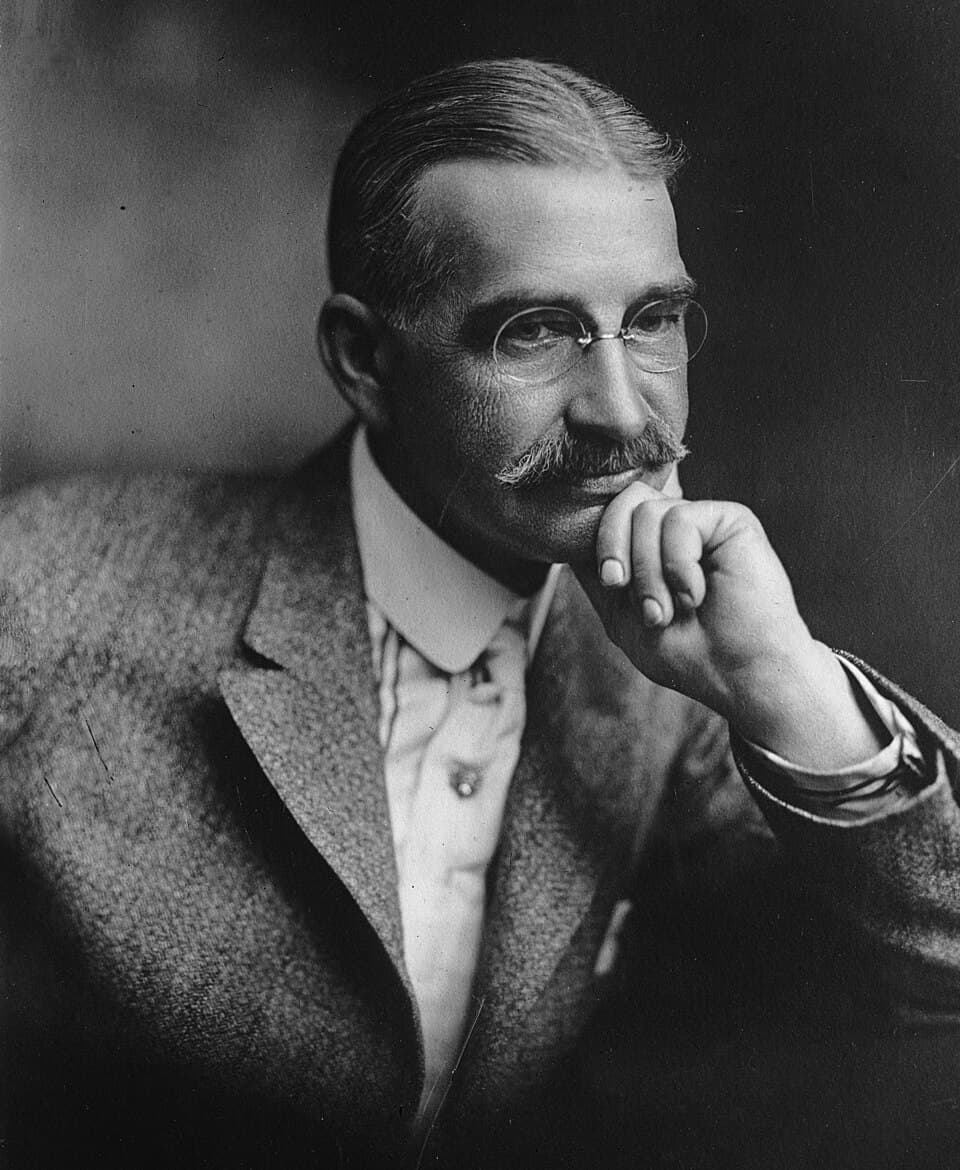
Baum wrote this in 1915, a year before he'd start really running out of steam on the Oz books. You can feel him still having fun here, still delighted by his own creation. That joy translates, even a century later, even through a solo narrator without fancy production.
I finished it at 4 AM, immediately texted my old D&D group about it (they're used to my chaotic hours), and only felt a little guilty about my thesis. Dr. Patel would probably approve of the procedural generation elements in Jinxland's geography. Probably. I'm not going to ask her.