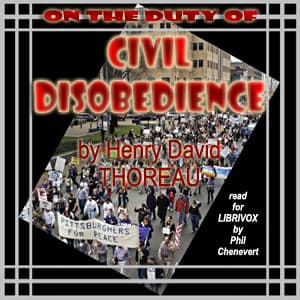

Thirty-six minutes. That's it. That's the entire runtime of this collection, and I'm genuinely irritated that it took me twenty years of teaching Poe to finally sit down and just *listen* to him properly.
I've assigned "The Raven" to approximately 400 teenagers over my career. I've heard it mumbled, speed-read, performed with excessive drama by theater kids who thought they were auditioning for something, and once—memorably—rapped. But walking the lakefront at 6 AM with fog rolling off Lake Michigan, hearing Phil Chenevert work through these twelve poems? That was the first time I understood why Poe insisted his poetry was meant for the ear, not just the eye.
The Audacity of Reading Poe at Normal Speed
Chenevert does something that drives me slightly crazy in the best way—he reads like someone who genuinely loves these poems rather than someone performing them. There's no Vincent Price theatrics here. When he hits "And the silken sad uncertain rustling of each purple curtain" in The Raven, he lets the sibilance do the work. Night Patrol has that same restraint in its narration—letting the tension build naturally instead of forcing it. He trusts the alliteration. He doesn't need to add anything.
This is what I try to explain to my students about Poe's genius—the man was essentially writing sound design in 1845. "The Bells" is practically four different songs disguised as a poem, and Chenevert shifts his energy for each section. The silver bells get this light, almost playful treatment. By the time he reaches the iron bells—the funeral bells—his voice has dropped into something genuinely mournful. Not affected. Just... heavier.
But here's my complaint: "A Dream Within A Dream" appears twice in the description, which made me think I was getting some kind of extended meditation on that particular poem. Nope. Just a typo in the listing. Denise caught me muttering "that's not a dream within a dream, that's just poor proofreading" while we walked past the Shedd Aquarium.
What Hemingway Would've Said About This Recording
This reminds me of what Hemingway said about prose—the dignity of movement of an iceberg is due to only one-eighth of it being above water. Chenevert's reading has that quality. He's not showing off. He's not trying to convince you he's a great narrator. He's just... reading poems he loves, and trusting that the poems themselves will do the heavy lifting.
"Annabel Lee" nearly wrecked me, which is embarrassing to admit. I've taught that poem for two decades. I know exactly how the rhythm works, how Poe builds the repetition of "kingdom by the sea" into something incantatory. That same kind of devastating repetition shows up in My Absolute Darling, though Tallent uses it for something much darker. But hearing it read with genuine affection—not performance, affection—while watching the sunrise hit the water? Chenevert savors every line, and the poems deserve that savoring.
The production is bare-bones. No music, no sound effects, no atmospheric thunder during "The Raven." Just a man and a microphone. For Poe, this works. The poems themselves are so sonically rich that adding anything would feel like putting a frame on a frame.
My Students Would Hate This (I Love It)
Let me be honest about limitations. This is a LibriVox recording—free, volunteer-produced, and it sounds like it. There's no professional studio polish. Chenevert occasionally takes breaths you can hear. The audio quality is serviceable, not pristine. If you're used to Audible's production standards, this will feel like listening to your uncle read poetry in his home office.
But that's also kind of the point? Poe wrote these poems to be read aloud in parlors, at gatherings, by regular people who loved language. There's something appropriate about hearing them delivered without Hollywood gloss.
At 36 minutes, this is barely a commute. It's a coffee break. It's the length of exactly one faculty meeting about budget allocations. (Principal Martinez, I was definitely paying attention to your presentation last Thursday. I was not listening to "Eldorado" on repeat. That would be unprofessional.)
Who Gets an A, Who Gets Referred to the Counselor
This is for you if: You teach literature and have forgotten why you started. You want a palate cleanser between 15-hour fantasy epics. You loved Poe in high school and haven't revisited him since. You need something short enough to finish before your spouse wakes up.
Skip this if: You need professional-grade audio production. You want comprehensive Poe (this is a sampler, not a complete works). You're looking for analysis or context—this is pure performance, no commentary.
Class Dismissed
Is this the definitive Poe audiobook? No. Is it free, earnest, and surprisingly moving? Yes. Chenevert's description calls it "selfish pleasure," and that honesty carries through every line. He recorded these because he loves them, and that love is audible.
I'm giving this to my AP Lit students next semester. Not as an assignment—as an invitation. Sometimes the best way to understand why we still read the classics is to close your eyes and let someone who cares read them to you.