
What does it take to break a person? And more importantly—what does it take to put them back together?
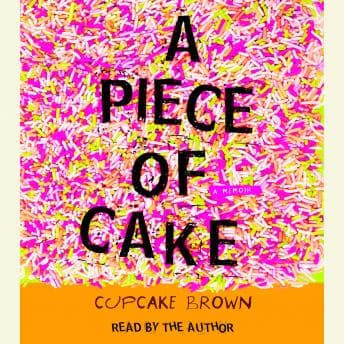
I was driving back from a client meeting in Houston, three hours of highway ahead of me, when I started this book. By the time I pulled into my driveway in Austin, I'd been sitting in my truck for twenty minutes, engine off, just... listening. Ranger was giving me that look through the window like I'd lost my mind. Maybe I had.
When the Mission Report Reads Like Fiction
Let me cut to the chase: Cupcake Brown's story would be rejected as too extreme if someone pitched it as fiction. Orphaned at eleven, handed to a foster parent who was essentially running a trafficking operation, she spirals through gang life, prostitution, drug dealing, and addiction—all before she's legally old enough to drink. I've debriefed soldiers who've seen combat zones less chaotic than this woman's childhood.
But here's what got me. She doesn't write like a victim. There's this matter-of-fact quality to how she describes the absolute worst moments—getting jumped into a gang, turning tricks to survive, waking up in hospitals after overdoses. It reminded me of how my guys would talk about firefights. Not dramatic. Just... this happened, then this happened, then I did what I had to do to survive.
The repetition some listeners complain about? I get it. Brown circles back to certain patterns—the drinking, the using, the hustling—and yeah, sometimes you want to grab her and say "we got it the first time." But that's addiction, isn't it? It's not a straight line. It's the same damn cycle until something finally breaks it.
Bahni Turpin Knows What She's Doing
I've listened to a lot of audiobooks with heavy content. The narrator can make or break the experience. Turpin—she's got this wry, knowing quality when she voices young Cupcake that keeps you from drowning in the darkness. There's almost a dark humor in her delivery, like she's letting you know this kid is going to make it even when the story is at its bleakest.
No fancy sound effects, no music, just Turpin and the words. Honestly, that's the right call. This story doesn't need production tricks. The material carries itself.
What struck me is how she handles the emotional shifts. One moment you're in a crack house, the next you're watching Cupcake stumble into a law firm job and fake her way through being a secretary. Turpin pivots between despair and absurdist comedy without giving you whiplash. That takes skill.
The Recovery Arc That Actually Earns It
I've seen this scenario play out in real life—soldiers coming back broken, trying to piece themselves together. Some make it. A lot don't. What makes Brown's story hit different is that she doesn't sugarcoat the recovery. Getting clean isn't a montage. It's ugly, it's slow, and she relapses more times than you can count.
But then she graduates law school. She becomes an attorney. And somehow, after twenty-one hours of listening to her describe every way a life can go wrong, that ending feels earned. Not like a fairy tale—like a mission that should have failed but didn't because one person refused to quit.
(I'll admit it—I had to compose myself before walking in the house. Linda doesn't need to know.)
Who Should Deploy This One
If you can handle difficult content—and I mean really difficult, we're talking abuse, addiction, sexual violence, all of it—this is one of the most honest memoirs I've ever listened to. It's not inspirational in a cheap way. It's inspirational because it's real.
Skip it if you need lighter fare or if detailed descriptions of trauma will mess with your head. No shame in that. Know your limits.
At 21 hours, this is a commitment. But it never dragged for me. I listened at 1.25x as usual and the pacing held up fine. Good for long drives, not for background noise—you need to pay attention.
Cooper Out
Ranger approved this one, though he did seem concerned about why I was sitting in the driveway so long. Cupcake Brown wrote a book that should be required reading for anyone who thinks they understand addiction, foster care, or what it takes to survive. Bahni Turpin delivered it with exactly the right touch.
Some books entertain you. Some books change how you see things. This one did both. Raising Good Humans hit me the same way—different subject, same gut-punch honesty about breaking cycles that shouldn't exist in the first place.