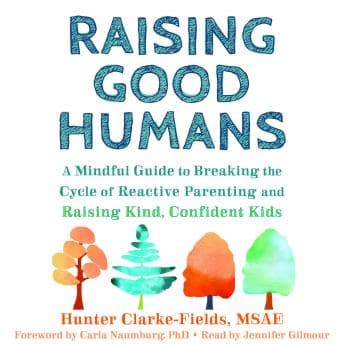

Look, I'm not a parent. But I've watched enough startup founders burn out their families to know that reactive behavior—whether in a boardroom or a living room—creates the same toxic cycle. So when a client recommended this book as "the parenting version of what you teach executives," I figured I'd give it a shot.
And honestly? She wasn't wrong.
The ROI on Self-Awareness
Here's the thing about parenting books—most of them are just productivity books wearing a onesie. "Do these 7 steps and your kid will be perfect." This one's different. Hunter Clarke-Fields and Carla Naumburg aren't selling you a system. They're selling you a mirror.
The core premise is simple: you can't regulate a dysregulated child if you're dysregulated yourself. (My parents would've called this "don't yell at your kid while you're yelling." Same energy, fancier packaging.) But the execution is where this book earns its keep. The mindfulness strategies aren't woo-woo meditation retreats. They're practical, in-the-moment techniques for when your toddler is having a meltdown in Target and you're one deep breath away from joining them.
If you want the deeper philosophical framework behind that breathing thing, Power of Now goes all-in on present-moment awareness—though Tolle's approach is more spiritual retreat than Target meltdown.
What I appreciated—and this is rare in self-help—is the honesty about generational patterns. Clarke-Fields doesn't just tell you to "be better." She walks you through examining why you react the way you do. Why your dad's temper shows up in your voice. Why your mom's anxiety lives in your shoulders. This is the work I do with executives who wonder why they keep making the same hiring mistakes. Same psychology, different stakes.
Jennifer Gilmour Keeps You in the Room
I almost never comment on narrators for self-help books. Usually they're interchangeable—pleasant enough, forgettable. Jennifer Gilmour is something else. Her voice is warm without being saccharine. Supportive without being preachy. She sounds like the therapist friend who tells you the truth but makes you feel safe hearing it.
At 5 hours and 37 minutes, this is refreshingly tight. No padding. No repetition of the same concept seventeen different ways. (Business authors, take notes.) I listened at 1.25x and it still felt conversational. The pacing matches the content—calm, deliberate, but never slow.
The production is clean. No weird audio artifacts, no jarring transitions. Just clear, professional work that lets the content breathe.
Where This Lands (And Where It Doesn't)
Bottom line: this book delivers what it promises. Practical mindfulness strategies. Real talk about breaking reactive patterns. A framework for responding instead of reacting.
But here's my honest assessment—if you're looking for brain science or deep psychological theory, this isn't it. This is applied wisdom, not academic research. Some listeners want the "why" at a neurological level. Clarke-Fields gives you enough context to understand the principles, but she's more interested in the "how." For most parents in the trenches, that's exactly right. For the analytically obsessed (guilty), you might want to supplement with something more research-heavy.
The other thing—and this is a feature, not a bug—is that this book requires you to do the work. The mindfulness exercises only work if you actually practice them. (Shocking, I know.) If you're the type who listens to business books hoping for magic bullets without implementation, you'll be disappointed. But if you're willing to actually pause and breathe when your kid spills juice on your laptop for the third time this week, this book will change your household.
I kept thinking about my parents. They didn't have books like this. They had 14-hour days and survival mode and the expectation that kids just figure it out. They did their best with what they had. This book is for the generation that wants to do better—not because our parents failed, but because we have tools they didn't.
Who Gets Value Here
Parents who recognize their own reactive patterns and want practical tools—not theory—to break them. Skip it if you need heavy neuroscience citations or aren't willing to actually practice the exercises between meltdowns.
The Consultant's Take
Would I recommend this to my clients with kids? Already have. Three of them. One texted me last week saying it was "the first parenting book that didn't make her feel like a failure." That's the vibe.
Would I listen again? Probably not cover to cover, but I bookmarked the practical exercises. They're worth revisiting.
Jenny says I should've listened to this before giving advice to anyone with children. Jenny is right. But at least now I have the framework.
Skip the guilt-trip parenting books. This one respects your time and your humanity. That's worth the listen.