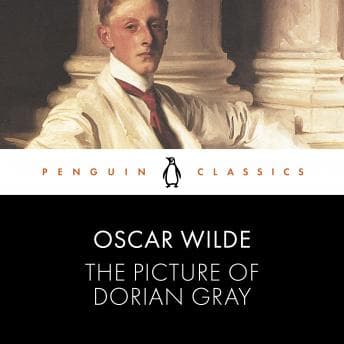

What happens when you hand a Victorian morality tale to the same actor who played the character on screen?
I was stuck in traffic on I-35 - construction season in Austin, which means every season - when Ben Barnes delivered Lord Henry's first poisonous monologue about youth and beauty. And I'll tell you, sitting there watching some twenty-year-old in a lifted truck cut me off, I found myself nodding along with Wotton's cynicism more than I probably should have.
The Voice Behind the Portrait
Let me cut to the chase: Barnes knows this material cold. He played Dorian in the 2009 film, and that familiarity shows. His Lord Henry drips with aristocratic condescension - there's this lazy, almost bored quality to the wit that makes every epigram land like a gentleman's insult. You know the type. Officers who never saw combat but somehow ended up with corner offices.
The character work here is genuinely impressive. Barnes shifts between Dorian's early innocence and later corruption with enough subtlety that you don't quite notice the change until you're deep into the book. Basil Hallward gets this earnest, almost pleading quality that makes his fate hit harder. And Sybil Vane - the doomed actress - sounds exactly as fragile as she needs to be.
I've heard some complaints about occasional accent inconsistencies. Honestly? Minor. We're talking about a book with maybe a dozen speaking characters, and Barnes keeps them distinct enough that you always know who's talking. That's the mission, and mission accomplished.
Wilde's Words at 1.25x
Here's where I need to give you the honest debrief. The first couple hours? Slow. Wilde wasn't writing a thriller - he was writing philosophy dressed up as fiction. There are passages about art, beauty, and influence that feel more like Oxford lectures than plot movement. At my usual 1.25x, these sections still dragged.
But then Dorian starts his descent. And that's where the book earns its reputation.
The corruption happens gradually - a cruel word here, a ruined life there - until you realize you're listening to a monster who still sounds perfectly reasonable. Prince explores that same kind of calculated manipulation, though Machiavelli at least had the decency to be honest about his cynicism. That's the horror of it. Not jump scares or gore, but the slow revelation that evil can wear a beautiful face and speak in complete sentences. (Ranger didn't react to any of it, but he's heard worse during my true crime phases.)
Wilde's prose is genuinely brilliant once you adjust to the Victorian pacing. His observations about society, hypocrisy, and the masks we wear - they're as sharp now as they were in 1890. Maybe sharper. I've sat across from enough corporate executives to recognize Lord Henry's philosophy in action.
Victorian Instagram Culture
What struck me most is how Wilde predicted modern celebrity culture. Dorian's obsession with his own image, his willingness to sacrifice everything for eternal youth, his carefully managed public persona while privately rotting - I've seen this scenario play out in real life. Different century, same pathology.
The book was used as evidence against Wilde at his trial. They called it immoral. Reading it now, it's clearly a condemnation of the lifestyle it depicts. Dorian doesn't win. The portrait doesn't lie. But Victorian England couldn't see past the surface - which is exactly what the book was criticizing.
Barnes understands this. His narration never celebrates Dorian's hedonism. There's always something slightly off, slightly hollow, in the later chapters. The beautiful voice delivering ugly truths.
Who Should Deploy on This Mission
If you need constant action, skip it. This is a character study wrapped in philosophical dialogue wrapped in Gothic horror. The pacing rewards patience.
But if you appreciate psychological warfare - the kind where words destroy people more effectively than weapons - this is worth your time. Fans of unreliable narrators, moral ambiguity, and Victorian wit will find plenty to chew on. Literature students, obviously. Anyone who's seen the film and wants the deeper experience. People who like their horror cerebral rather than visceral.
Not recommended for background listening. You'll miss too much. This one demands focus. Same goes for Call of the Wild - another classic that rewards your full attention with layers you won't catch if you're half-listening.
Cooper Out
Ben Barnes delivers exactly what you'd hope from an actor who lived inside this character. The production is clean, the pacing matches the material, and Wilde's writing holds up after 130 years. The slow opening might lose some listeners, but push through. The payoff is worth it.
It's a classic for a reason, and this narration does it justice. Not quite a must-listen - that pacing issue is real - but definitely worth a credit if you've got any interest in Gothic literature or psychological horror.
Ranger approved this one. Though he fell asleep during the art criticism chapters. Smart dog.