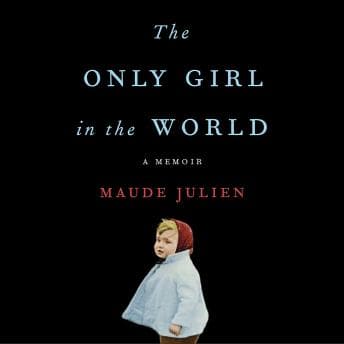

"She learned to hold an electric fence for minutes without flinching."
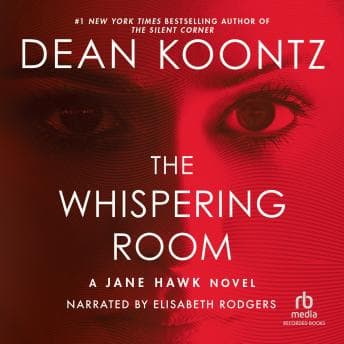
I had to pause the audiobook when Elisabeth Rodgers delivered that line. Just... stopped designing mid-logo, stared at my screen, and let Frida headbutt my elbow three times before I remembered to breathe. This book broke something in me.
Maude Julien's memoir isn't just a survival story. It's a document of what happens when a child becomes someone's twisted experiment—her father literally purchased her mother as a teenager, bred Maude specifically to be his "superhuman" creation, and spent her entire childhood trying to torture the humanity out of her. The bells sewn into her clothes so she couldn't move in a rat-filled cellar. The hours holding live electrical wire. The calculated starvation. The complete isolation from the outside world.
Abuela would have thrown this book across the room. Then picked it back up. Then cried. Then called me to process it together.
The Voice That Carries Unspeakable Things
Here's where it gets complicated. Elisabeth Rodgers' narration is... polarizing, and I get why. The first half of this memoir is delivered with this almost clinical detachment—flat, measured, controlled. Some listeners bounced off hard, calling it deadpan. But around hour four, something clicked for me.
This IS how survivors talk about trauma.
The emotional distance isn't a performance flaw—it's dissociation made audible. Maude spent her childhood learning to feel nothing, to show nothing, to become stone while her father tested her limits. Of course the narration of those years sounds removed. Rodgers captures the father with this particular edge—aristocratic, cold, utterly convinced of his own righteousness—that made my skin crawl. The subtle shifts when voicing young Maude versus the animals she befriends (her only real companions) show genuine craft.
But I won't pretend the pacing is easy. The middle section drags. You're living in the monotony of abuse, the endless repetition of cruelty, and it's exhausting in a way that feels intentional but still... exhausting. I designed three client logos during one particularly slow stretch, which I never do with memoirs that have me fully locked in.
When Defiance Becomes Everything
The second half, though. MY HEART.
When Maude starts her internal rebellion—reading novels in secret, nurturing the compassion her parents tried to beat out of her, beginning to plan—the narration shifts. Rodgers' voice gains warmth, urgency. You feel the girl waking up inside the survivor. There's this moment where Maude describes befriending the estate animals, treating them with the gentleness she was never shown, and I ugly-cried into my coffee at 2 PM on a Tuesday. The way animals become vessels for preserved humanity here gutted me the same way Watership Down did—both books understand that how we treat the vulnerable reveals everything.
The escape itself—I won't spoil it—but knowing Maude grew up to become a therapist specializing in psychological manipulation? That she took this nightmare and turned it into a way to help others? That's the ending this book earns.
This Book Demands Something From You
Look, I need to be honest about what you're signing up for. This isn't a rainy Sunday book. This isn't background listening while you fold laundry. This is a 7-hour commitment to sitting with horror and coming out the other side with someone who survived it.
Content warnings are serious here: violence, psychological abuse, emotional torture, some sexual content. If you've experienced childhood abuse or controlling family dynamics, approach with care. This book will find your bruises and press on them.
But if you're in a place to receive it? If you want to understand how human beings can endure the unendurable and still choose love? This memoir is a gift wrapped in barbed wire.
Who This Is For (And Who Should Walk Away)
This is for you if: You loved The Glass Castle or Educated. You want memoirs that don't flinch. Still Life has that same unflinching quality—different subject matter, but equally unafraid to sit with difficult truths. You can handle slow burns that build to devastating emotional payoffs. You appreciate narration that mirrors trauma response rather than dramatizes it.
Skip if: You need consistent pacing. Flat narration genuinely bothers you regardless of context. You're looking for something lighter—this ain't it.
Still Holding That Electric Fence
I finished this book three days ago and I'm still thinking about those bells sewn into a child's clothes. Still thinking about Maude choosing to love animals when love had only ever been used as a weapon against her. Still thinking about how she built herself into someone whole when she was raised to be a tool.
The narration isn't perfect—that first half really does test your patience—but the story it carries is one of the most remarkable survival accounts I've ever heard. Maude Julien didn't just survive her parents' experiment. She became everything they tried to destroy.
That's not a wild emotional ride. That's a human being refusing to break.