
Can you fall in love again after your heart has been shattered into pieces so small you're not sure they'll ever reassemble into something functional?
I was stirring dal at 11 PM—the kind of late-night cooking that happens when your brain won't shut up—when Louna started explaining why she'd stopped believing in love at eighteen. And I found myself asking: why does this particular brand of teenage grief feel so psychologically authentic when so many YA novels get it catastrophically wrong?
The Protagonist Exhibits Classic Avoidant Attachment
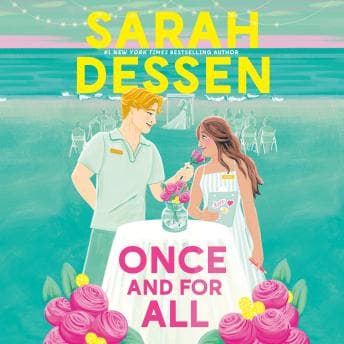
Here's what Sarah Dessen understands that many writers don't: grief doesn't make you sad. It makes you strategic. Louna has constructed an entire identity around not getting hurt again. She works at her mother's wedding planning business—surrounded by happily-ever-afters she no longer believes in—and Karissa Vacker nails this jaded 18-year-old attitude with such precision that I kept pausing to take mental notes.
The flashbacks to Louna's relationship with Ethan aren't just backstory dumps. They're carefully placed psychological reveals. We understand why she's built these walls before we're asked to root for someone to tear them down. The research actually shows that early romantic loss can fundamentally reshape attachment styles, and Dessen gets this right without ever feeling like she's writing a case study. Heartless explores similar territory—how trauma rewires our capacity for connection—though through a much darker fairy tale lens.
Ambrose, the charming serial-dater who decides Louna is "the one," could have been insufferable. In lesser hands, he'd be the Manic Pixie Dream Boy who teaches our sad girl to love again. But there's actual depth here—his own patterns of shallow connections, his genuine confusion when his usual tactics don't work. Two people with opposite coping mechanisms circling each other. My therapist would have thoughts about this dynamic.
Vacker's Voice Work Earned That Earphones Award
The narration captures something tricky: fast-moving teen dialogue that doesn't sound like an adult doing a "young person" impression. Vacker delivers Louna's sarcasm with the specific exhaustion of someone who's tired of explaining why she won't just "move on already." The wedding planning scenes—with their parade of demanding brides and chaotic client interactions—have this warm, lived-in quality.
Now. I need to address Julie.
One character's voice acting has been described as "extremely annoying" and... yeah, I get it. There's a particular pitch that grates. But here's the thing—Julie is supposed to be a lot. The annoyance might be intentional characterization pushed slightly too far. Worth powering through? Absolutely. But if you're sensitive to certain vocal registers, maybe don't listen while sleep-deprived.
The emotional scenes hit hard. Vacker knows when to pull back and when to lean into the drama. There's a moment involving trust—learning to trust again after betrayal—where I actually stopped stirring and just stood there in my kitchen like an idiot.
The Pacing Problem (And Why It Didn't Ruin This For Me)
Look, I'll be honest: the pacing is bumpy. Some sections sprint when they should walk. Others linger when they should move. At nearly 11 hours, there are stretches where you feel every minute. The plot itself is predictable—you know where this is going from chapter two.
But here's my counterargument: predictability isn't always a flaw. Sometimes you want comfort food. Sometimes you want to know the sad girl will find happiness again, and the journey matters more than the surprise. What makes Louna compelling is watching how her walls come down, not whether they will.
Dessen's strength has always been the small moments between the big ones. Wedding emergencies. Awkward family dinners. The specific texture of a summer job that forces you to perform happiness you don't feel. These details elevate the audiobook from "predictable romance" to "satisfying emotional experience."
Who Should Listen (And Who Should Skip)
If you need plot twists and constant action, this isn't your book. If the phrase "YA contemporary romance" makes you roll your eyes, keep scrolling.
But if you're a fan of Sarah Dessen's particular brand of emotional intelligence—or if you're looking for something to listen to during mindless tasks that won't demand too much but will occasionally punch you in the feelings—this delivers. It's best for focused listening; the emotional beats deserve your attention. Don't relegate this to background noise.
Teens processing their own first heartbreaks will find validation here. Adults who remember that specific flavor of adolescent devastation will find nostalgia. And anyone who appreciates psychologically accurate character work will find a protagonist worth rooting for.
Case Closed (Prognosis: Hopeful)
This is a fascinating case study in how we rebuild after loss. Not groundbreaking, not revolutionary—but emotionally honest in ways that matter. The audiobook format serves it well; Vacker's warmth makes the 10+ hours feel like time spent with a friend working through her stuff.
Is it really better to have loved and lost? Dessen doesn't give easy answers. But she makes a compelling argument that staying closed off forever isn't actually protecting you from anything.
I finished the dal. I finished the audiobook. Both were comfort food, exactly when I needed them.