
Look, I spend my days telling teenagers why The Sound and the Fury matters. I preach the gospel of difficult texts and "earning" your understanding. But sometimes? Sometimes—usually around 11 PM on a Tuesday when I've just graded the thirtieth essay that misspells "Hemingway"—I don't want to work for it. I just want a story that grabs me by the lapels and tells me exactly how to feel.
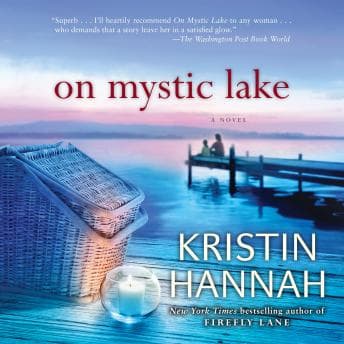
That's how I ended up with Kristin Hannah in my ears. If you're looking for more of her work, Nightingale: A Novel is where she really flexes her emotional range. (Don't tell the English Department. My reputation as a curmudgeon is at stake here.)
Susan Ericksen Knows What Silence Is For
Let's talk about Susan Ericksen. I did a little digging before starting this one, and I saw some folks online complaining that her pacing is too slow or that her tone is "sleep-inducing."
I completely disagree.
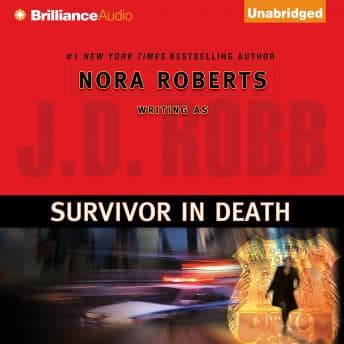
Here's the thing about audio performance—and yes, it is a performance, not just reading aloud. Ericksen understands that pause is punctuation. When a character's life is falling apart (which happens, uh, immediately in this book), you don't rush through it. You let it sit. She gives the prose room to breathe. Ericksen brings that same deliberate pacing to Ceremony in Death, though the material there is darker.
There's a specific cadence she uses—warm, slightly maternal, maybe a little bit of a regional twang that some reviewers called "too Minnesota." For me? It grounded the whole thing. Felt like a neighbor leaning over the fence to tell you some really heavy gossip. I listen at 1.0x speed because I believe in hearing the rhythm the narrator intended, and Ericksen's rhythm is deliberate. She isn't racing to the end; she's living in the scene.
(If you're the type who listens to podcasts at 2x just to consume content, you might find her pacing maddening. Just a heads up.)
When the Tropes Actually Work
Okay, let's be real. The setup here is textbook. Husband leaves wife for a younger woman? Check. Wife goes back to her small hometown? Check. Reconnects with the rugged first love who is conveniently a widower? Check and check.
If one of my students put this plot outline on my desk, I'd probably scribble "Avoid Clichés" in red ink.
But execution is everything. Hannah takes these tired bones and puts real flesh on them. Annie Colwater isn't just a scorned woman; she's a woman who realizes she erased herself long before her husband left. That hit me. Hard.
I was listening to the middle section while walking along the lakefront with my wife, Denise. It was windy, freezing cold—classic Chicago—and I found myself actually stopping on the path because the emotional stakes felt so heavy. The way Hannah writes about grief—specifically the grief of the widower, Nick, and his silent daughter—is gut-wrenching. It's not melodramatic for the sake of it. It feels earned.
Who This Is (and Isn't) For
If you need literary pyrotechnics or experimental structure, keep walking. But if you want a story that knows exactly what it is—emotional, earnest, unapologetically sentimental—this one delivers. Skip it if slow narration makes you twitchy; lean in if you've ever needed a good cry disguised as a novel.
The Professor's Honest Confession
Is this "high literature"? No. It's not trying to be. It's emotional surgery.
There were moments where the dialogue felt a little too perfect, a little too ready for a movie adaptation. But honestly, I didn't care. I was invested. I wanted Annie to win. I wanted the silent kid to speak.
My mom would love this book. I loved this book. It's the kind of story that reminds you that while Faulkner is great for the brain, sometimes you need something for the chest.
Denise caught me wiping my eyes when I walked back in the door. I told her it was the wind off the lake. She didn't buy it.