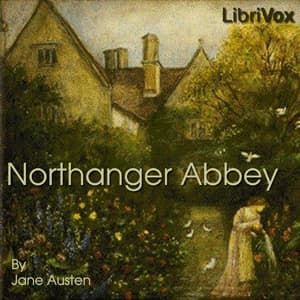

Okay, so here's the thing about listening to Austen after a brutal night shift - you need something that's gonna make you laugh without requiring too many brain cells. I'd just finished a twelve-hour stretch where we had two codes and a patient who was absolutely convinced I was trying to poison him with his blood pressure meds. (Sir, if I wanted to kill you, I'd be way more creative.) So I queued up Northanger Abbey for my drive home, expecting light and fluffy.
What I got was Jane Austen basically roasting every dramatic patient I've ever had.
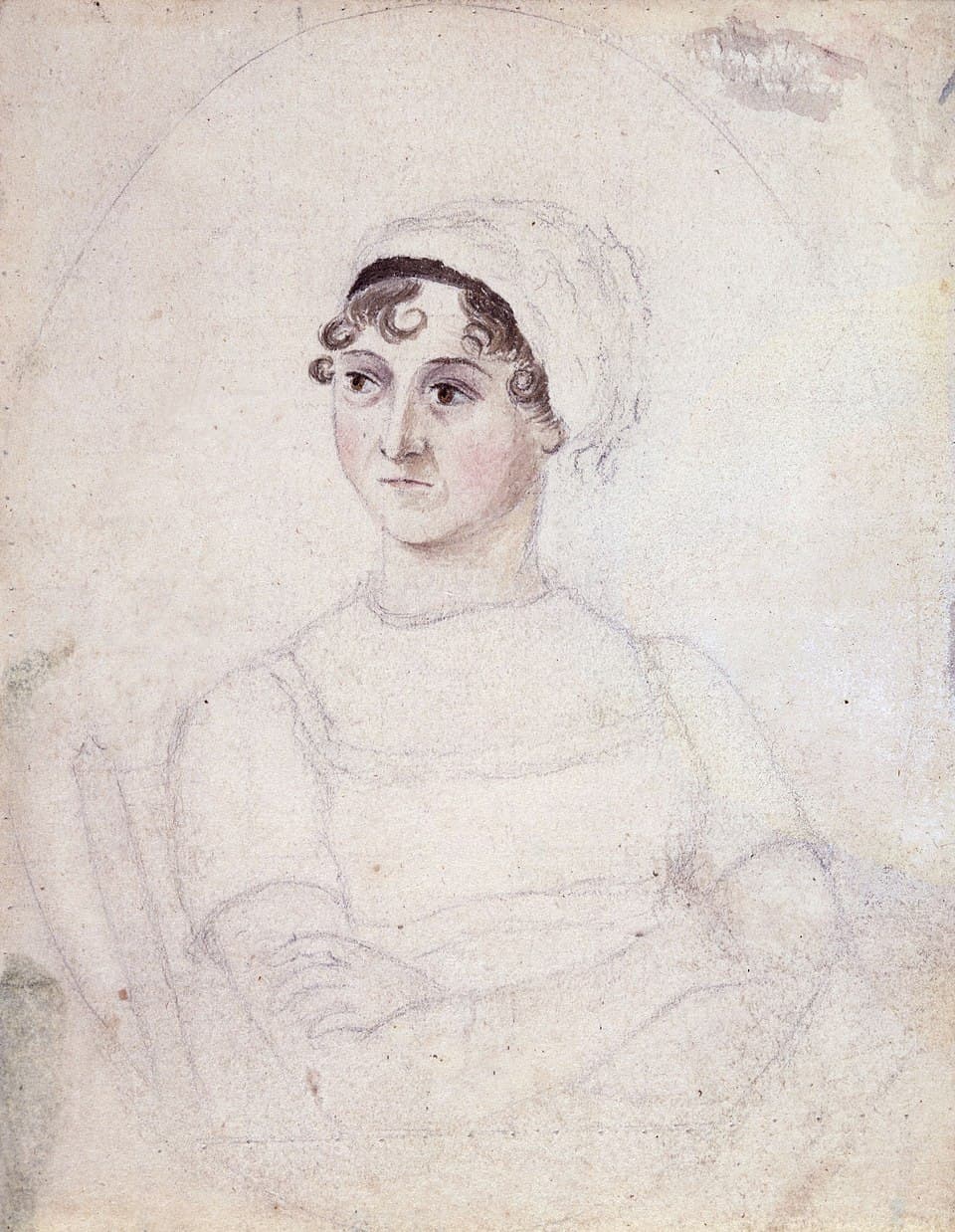
Catherine Morland is seventeen and has read way too many gothic novels, and she's out here convinced that every creaky floorboard means murder. Honestly? She's giving the same energy as that one family member who Googles symptoms and decides their loved one has some rare tropical disease instead of, you know, a cold. If you want more Austen doing this exact thing - young women being ridiculous in the best way - Love and Friendship is basically her early practice run at this brand of satire. The girl walks into Northanger Abbey and immediately starts imagining secret passages and hidden corpses. Ma'am. It's just an old house. Calm down.
Austen's writing is so sharp it should come with a warning label. The way she skewers Catherine's overactive imagination while also poking fun at the ridiculous gothic novels of her time - it's basically an 18th century version of me yelling at medical dramas. "THAT'S NOT HOW ANY OF THIS WORKS." I felt seen.
The LibriVox Lottery
Look, I need to be honest with you - this is a volunteer production, and it shows. The quality is... inconsistent. Like, wildly inconsistent. Some chapters you get Elizabeth Klett, who is genuinely fantastic. Her delivery is warm and funny and she actually understands comedic timing. When she's reading Catherine's ridiculous internal monologue about finding evidence of murder, she nails the absurdity without making it cartoonish.
But then other chapters? You might get someone who sounds like they're reading a grocery list. Or someone with an accent that's... not quite period-appropriate. (One listener mentioned a Brooklyn accent? I didn't catch that specific version, but I believe it.) The full cast dramatic reading versions have their own issues - General Tilney's voice actor apparently sounds like he's mumbling through a pillow, though Henry Tilney's actor is apparently spot on.
I had better luck with the LibriVox production of Mansfield Park (dramatic reading) - still hit or miss, but the ensemble cast actually worked there.
Here's my take: if you can find the Elizabeth Klett version specifically, do that. She's the real deal. But if you're just grabbing whatever LibriVox version pops up first, you're playing audiobook roulette. Sometimes you win, sometimes you're three chapters in wondering why the narrator sounds like they're reading under duress.
Catherine Morland: Lovable Disaster
The story itself though? Delightful. Catherine is such a mess in the best way. She meets this guy Henry Tilney who's basically the only person in Bath with a sense of humor, and their banter is genuinely funny. Meanwhile Catherine's getting swept up in the social drama of who's friends with whom and whether this one guy is actually interested or just being polite. (Spoiler: he's not being polite, he's just boring and self-absorbed. We've all met that guy.)
And then there's the whole Northanger Abbey section where Catherine's gothic novel obsession goes into overdrive. She's literally sneaking around at night looking for evidence that her host murdered his wife. The dramatic irony is chef's kiss. You're sitting there like "girl, no, this is embarrassing, please stop" while she's convinced she's about to uncover a terrible secret.
Carlos asked why I was laughing so hard when I pulled into the driveway. I tried to explain that a 200-year-old novel was dragging every person who's ever catastrophized a situation, and he just nodded like he understood. (He did not understand. But he's supportive.)
The pacing is pretty solid for a classic - it's only about 8 hours, which is short for Austen. Some of the Bath society stuff in the middle dragged a tiny bit, but nothing terrible. I'd say 1.25x speed works well if your narrator is on the slower side.
Your Prescription
Queue it up if: You're an Austen fan, you enjoy satire, or you've ever rolled your eyes at someone being dramatic. Fans of enemies-to-lovers-lite romance will dig it too. And honestly, anyone who appreciates free audiobooks and doesn't mind some production inconsistency.
Skip it if: You need polished, professional narration to enjoy an audiobook - this ain't it. If uneven audio quality is gonna distract you, maybe grab a different version. And if you want something intense and dramatic... I mean, this is literally making fun of intense and dramatic, so.
Night shift approved - but sample first to make sure you got a good narrator. The story's worth it. The production quality is a gamble.