
Why do we treat infant sleep like a moral battleground?
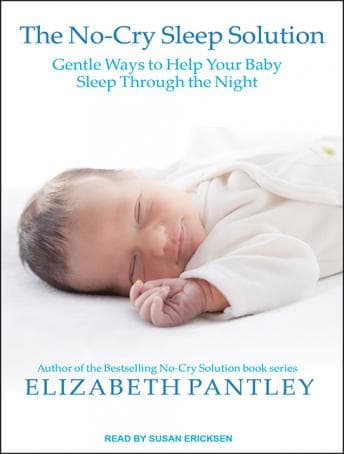
Seriously. I've watched friends turn into opposing camps over this—the "cry it out" believers versus the martyrs who haven't slept in eighteen months and wear it like a badge of honor. And I found myself wondering, from a purely psychological standpoint, why parenting advice so often gets framed as either/or. Elizabeth Pantley's No-Cry Sleep Solution positions itself as the middle path, and honestly? The research-adjacent part of my brain was curious whether she could actually deliver.
I listened to this during my morning jogs through Cambridge over about two weeks. (No, I don't have kids. But I have a sister with twins who calls me at 2 AM sometimes just to have another adult voice in her ear, so I figured I should understand what she's dealing with.)
Attachment Theory in Pajamas
Here's the thing—Pantley's approach is basically attachment theory applied to sleep training, even if she doesn't always use that language. The core premise: you can shape behavior without rupturing the parent-child bond. The research actually shows this matters. Secure attachment in infancy predicts all kinds of outcomes later. So the philosophical foundation is solid.
What makes this book compelling is that Pantley doesn't just hand you a method and say "good luck." She walks through the why behind infant sleep patterns, the developmental stages, the individual differences between babies. Year of Yes takes a completely different approach—Shonda Rhimes basically prescribes saying yes to everything—but both books understand that change happens through self-awareness, not rigid rules. Pantley acknowledges that your kid isn't the same as the kid in her examples. (My therapist would have thoughts about how rare this kind of nuance is in self-help.)
But—and this is a real but—the book is repetitive. Noticeably so. By hour four I was thinking "okay, I got it, gentle consistency, I understand." Seven and a half hours is a lot for content that probably could've been condensed into four. I found myself zoning out during some sections, especially when she'd circle back to points she'd already made. The structure feels designed for print, where you can skip around, not for audio where you're stuck on the linear path.
Susan Ericksen's Soothing Problem
Susan Ericksen narrates, and her voice is genuinely calming. Almost too calming? There's something ironic about listening to a sleep book while trying to stay awake on a run. Her tone is gentle, measured, easy to follow—perfect if you're a sleep-deprived parent listening at 3 AM. Less perfect if you're trying to actively engage with the material.
Some reviewers called her narration flat, and I get that. She doesn't bring a lot of dynamic range. But I'm not sure this book needs theatrical performance. It's instructional content, not a thriller. The neutrality works. It just means you might want to bump the speed up to 1.25x to keep your brain engaged.
Skip This If You Want a Balanced Debate
Let me be honest: this book is for parents who've already decided they don't want to use cry-it-out methods. Pantley isn't trying to convince you her way is better—she's preaching to a specific choir. If you're on the fence about sleep training approaches, this won't give you a balanced comparison. She's pretty dismissive of Ferber-style methods, which, fine, that's her position, but don't expect objectivity.
The practical advice is genuinely useful though. Sleep logs, gradual changes, specific techniques for different ages—it's actionable stuff. My sister actually tried some of the suggestions and said they helped. (Sample size of one, I know, but still.) Pantley understands that exhausted parents need concrete steps, not just philosophy.
What I found myself asking: why does she rely so heavily on anecdotal evidence from her test families rather than citing sleep research more directly? There's a ton of peer-reviewed work on infant sleep, and she barely touches it. For someone like me who wants the science, that's frustrating. For a parent who just wants to know "what do I DO at 2 AM," maybe it doesn't matter.
My Assessment, Over Cold Coffee
This is a solid resource for a specific audience. If you're ideologically committed to gentle parenting and need a structured approach to sleep, Pantley delivers. If you want scientific rigor or you're open to multiple methods, you'll find this limiting. The audiobook format works okay, but the length is a slog and the narration, while pleasant, won't keep you riveted.
Listen if: You've already ruled out cry-it-out and want concrete, gentle techniques. Skip if: You want peer-reviewed citations or a fair comparison of different sleep training philosophies.
I'd recommend sampling first. See if Ericksen's pacing works for you, see if Pantley's tone clicks. And maybe listen at 1.25x unless you're actively trying to fall asleep yourself. Which, given the subject matter, might actually be the point.