
"The tiramisu of heteronormative befuddlement."
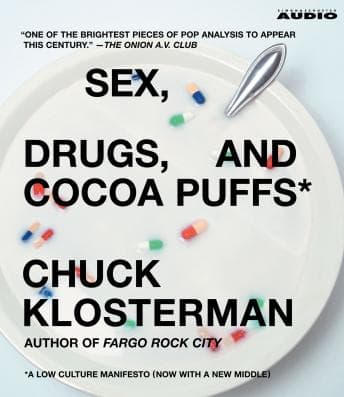
That's an actual Klosterman phrase from this book. I was cleaning my Beretta at the kitchen table when that line hit, and I just stopped. Set the slide down. Laughed hard enough that Ranger lifted his head off his bed like I'd lost my mind. That line is either the most brilliant cultural criticism you've ever heard or the most insufferable - and your reaction to it will tell you everything about whether this audiobook is for you.
Let me cut to the chase: Chuck Klosterman wrote a 12-hour love letter to the last decade that felt normal, and it's smart as hell, but it demands your full attention.
The Last Decade Before Everything Had a Receipt
Here's what Klosterman gets right that most '90s nostalgia gets wrong: he's not interested in making you feel warm and fuzzy about Nirvana and Seinfeld. He's interested in why the '90s were the last time Americans could experience culture without it being immediately archived, cataloged, and argued about on the internet. The decade existed in this weird sweet spot - the Berlin Wall was down, 9/11 hadn't happened yet, and people could hold contradictory opinions without someone screenshotting them for posterity.
What surprised me - genuinely surprised me - was how much the political analysis landed. His sketch of the Clinton years doesn't just recap the scandal timeline. There's a melancholy underneath it, this sense that we were burning through an era of relative peace and prosperity without understanding what we had. I've seen that play out in real life. I deployed to places that were directly shaped by decisions made during those "boring" Clinton-era foreign policy debates that nobody was paying attention to because they were too busy arguing about whether Ross Perot was a genius or a lunatic. That gap between what decision-makers understood and what ordinary people were paying attention to — I saw a version of that same tragedy documented on the ground level in Constellation of Vital Phenomena, where an entire war unfolds in the blind spots of history.
Klosterman connects dots you didn't know existed. The relationship between the rise of alternative culture and the simultaneous explosion of mainstream corporate entertainment. How the OJ trial fundamentally changed the way Americans process information. Why Seinfeld's "show about nothing" philosophy was actually the most accurate reflection of '90s consciousness. These aren't hot takes - they're arguments built brick by brick, and even when I disagreed (and I disagreed plenty), I couldn't dismiss them.
Two Voices, One Brain, Zero Sound Effects
The dual narration setup is interesting. Klosterman reads his own prose, and Dion Graham handles the footnotes and quotations. Took me about 45 minutes to warm up to Klosterman's voice - he's got this deliberate, slightly flat delivery that initially feels like a guy reading his college thesis out loud. But once his comedic timing clicks in your ear, it works. The dryness IS the point. He'll build this elaborate intellectual framework for three minutes and then puncture it with something so deadpan you almost miss that it's a joke.
Graham, on the other hand, brings this authoritative baritone that provides genuine contrast. When he drops in with a quote from a politician or a cultural figure, it creates a clear separation - you always know what's Klosterman's analysis versus what's source material. Smart production choice. No music, no sound effects, just two voices and a whole lot of ideas.
I bumped it to 1.25x around the two-hour mark and that felt right. Klosterman's natural pace is... contemplative. Which is fine for the ideas but can feel slow when he's doing his thing where he'll approach the same cultural moment from four different angles before arriving at his actual point.
Where the Perimeter Gets Thin
This is where it lost me sometimes: Klosterman has a tendency to disappear into his own cleverness. There are stretches - particularly in the music sections - where he's so busy constructing an argument about what grunge meant that he forgets to make me care. I lived through the '90s. I was a young officer listening to Pearl Jam on a boombox in my quarters. I don't need someone to explain the cultural significance of Ten - I need them to tell me something I haven't already felt.
And the book meanders. It's structured thematically rather than chronologically, which means you'll jump from presidential politics to MTV to the internet to sports with a logic that's sometimes obvious and sometimes... not. It demands dedicated listening. I tried it as background during a client meeting prep and completely lost the thread. This is not a windshield-time book unless you're willing to rewind.
Who Should Saddle Up (And Who Should Stand Down)
If you lived through the '90s and enjoy having your assumptions about that decade challenged - not just confirmed - this is worth your time. If you like cultural criticism that treats pop culture with the same seriousness as political history, Klosterman's your guy. But if you want a straightforward chronological history, or if phrases like "the tiramisu of heteronormative befuddlement" make you want to throw your phone out the window, save your credit.
Mission Debrief
Worth your time? Here's the debrief: it's a genuinely smart book that's about 90 minutes too long and occasionally too pleased with itself. But when Klosterman locks onto a target - when he's connecting the Clinton impeachment to the death of shared reality, or explaining why the '90s internet felt like freedom instead of surveillance - he's operating at a level most cultural critics can't touch. Ranger slept through most of it, but he perked up during the sports chapters. Good boy knows what matters.