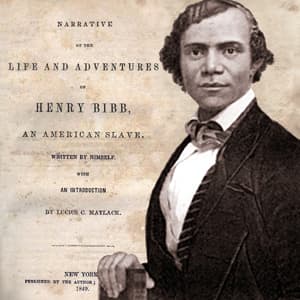

Five escapes. Five times recaptured. And he just kept going.
I'm going to be honest - I almost didn't start this one. After a particularly brutal night in the trauma bay, the last thing I wanted was more suffering. But my drive home was quiet, the Phoenix sunrise was doing that pink-gold thing, and I hit play anyway. By the time I pulled into my driveway, I'd been sitting in the car for twenty extra minutes, engine off, just... listening.
The Part Where I Yelled At My Dashboard (But Not For The Usual Reasons)
Normally when I yell during an audiobook, it's because some thriller writer thinks you can shock someone back to life after they've been flatlined for ten minutes. This time? I yelled because Henry Bibb describes being whipped until the blood ran down his back, and then he just... gets up the next day and starts planning his next escape. The matter-of-fact way he recounts these horrors - that's what got me. No melodrama. No self-pity. Just: this happened, and then I tried again.
Bibb wrote this in 1849, and you can feel the 19th-century formality in his language. It's not casual. There are moments where the prose is dense, where he's clearly writing for a white abolitionist audience, making his case with careful logic and evidence. But that formality makes the brutal details hit harder. He's not sensationalizing. He's testifying.
What Makes Bibb Different From Other Slave Narratives
I've listened to Frederick Douglass's narrative (night shift approved, by the way). If you want another perspective on historical testimony that doesn't flinch, First World War Centenary Prose Collection Vol. I offers that same unflinching witness to brutality, just a different war, different century. Bibb's story has something Douglass's doesn't - the repeated captures. Most escape narratives are about the one successful flight to freedom. Bibb kept failing. He'd make it north, taste freedom, and then go back south to rescue his wife Malinda and daughter. Get caught. Sold further south. Escape again. Go back for his family. Get caught again.
There's a section where he's sold to a Native American slaveholder in what's now Oklahoma, and the details of that experience - the different but equally brutal conditions - aren't something I'd encountered before. The man was sold six times. Six different slaveholders. Each one a new horror.
The part that wrecked me? When he finally accepts that his wife has been forced into a relationship with her new owner and he can never rescue her. After everything he risked, everything he endured trying to get her out. Carlos asked why I was crying in the car. I blamed allergies. He didn't believe me.
James K. White's Steady Hand
The narrator provides historical context in his introduction, which I appreciated - helps ground you in the period before Bibb's voice takes over. White reads with a steady, measured pace that suits the formal 19th-century prose. It's not a dramatic performance; it's more like someone reading testimony into the record. Which, honestly, is what this is.
At just over five hours, it's a manageable listen. I did it over three night-shift commutes. The pacing is consistent - no action-movie peaks and valleys, just relentless forward motion through one man's refusal to accept his circumstances.
Who Needs This (And Who Should Brace Themselves)
If you're looking for American history that doesn't flinch, this is it. If you've read Douglass and want another perspective, Bibb's repeated escapes and recaptures offer something different - the psychological toll of almost-freedom, again and again. Skip this if you need something lighter right now; there's no shame in that. But if you're ready to sit with hard history, Bibb won't waste your time.
Content warning: violence and abuse are described directly. Whippings, family separations, the specific dehumanizations of the slave system. Bibb doesn't spare details because he's making an argument - he needs you to understand exactly what this system did to people.
My mom would love this, actually. She's always pushing me to connect more with history, with stories of people who fought systems that tried to crush them. "You think night shift is hard," I can hear her saying. "This man escaped slavery five times."
She's not wrong.
Charting Complete
This isn't entertainment. It's witness. Henry Bibb died at 39 - younger than I am now - after spending his free years fighting for others still in chains. He started Canada's first Black newspaper. He never stopped.
Some audiobooks help you decompress after a hard shift. This one reminded me why the hard shifts matter - why showing up for people in their worst moments is the whole point. Different context, obviously. But that refusal to give up on human dignity? That translates.
Night shift approved. Bring tissues.







![Steve Jobs [unabridged audiobook] audiobook cover](/_next/image?url=https%3A%2F%2Fcovers.audiobooks.com%2Fimages%2Fcovers%2Ffull%2F9788499923406.jpg&w=1920&q=75)