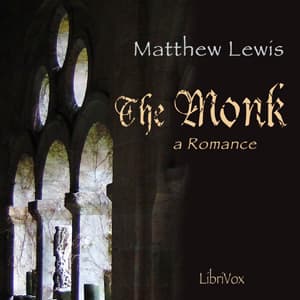

When I picked up a 16-hour Gothic novel from 1795 featuring rape, torture, incest, and demonic seduction, I was NOT in my usual lane. This is not a cozy romance. This is not a comfort read. If you need something lighter after this chaos, Hello, Summer is the palate cleanser I reached for afterward. This is the literary equivalent of finding out your quiet neighbor has a dungeon.
But here's the thing—I'd been seeing this book pop up in discussions about early LGBT literature and gender-bending characters, and I was curious. Plus Sophie had been sleeping through her naps for like three days straight (miracle territory), and I thought, you know what? Let's get weird.
How Did We Get Here, Ambrosio
The Monk is basically about this super pious, holier-than-thou monk named Ambrosio who has literally never been tempted by anything in his entire sheltered life. And then—shocker—temptation shows up in a very complicated package and things go spectacularly, horrifically wrong. We're talking a complete moral freefall. The "romance" in the subtitle is... not what you think. It's more like "Romanticism" the literary movement, not "will they kiss" romance.
I'm not gonna lie, there were parts of this book that made me genuinely uncomfortable. The violence toward women is rough. Really rough. And I had to pause more than once—not because Sophie was crying, but because I needed a second. Matthew Lewis wrote this when he was like 19 or 20, and honestly it shows in the most chaotic way possible. He just threw EVERYTHING in here. Ghosts? Sure. Demons? Absolutely. Secret passages? You bet. A character who presents as male but is actually female and then turns out to be... something else entirely? Wild.
James K. White Commits to the Chaos
Here's where this audiobook really worked for me—James K. White fully leans into the melodrama. This is not subtle narration. It can't be. The source material is basically an 18th-century horror movie, and White reads it like he knows exactly what kind of unhinged ride we're on.
His voice has this theatrical quality that fits the period setting perfectly. The Gothic atmosphere comes through—all those dark convents and underground crypts and midnight meetings. Keeping track of who's speaking got tricky sometimes, though. There are a LOT of characters, and the voice differentiation isn't always super distinct. I definitely rewound a few times going "wait, was that Antonia or Agnes?" But for a book this long and this convoluted, White does solid work.
The pacing is... well, it's a 16-hour 18th-century novel. There are sections that drag. Lewis loves his subplots and his detailed descriptions and his characters monologuing about their feelings for pages at a time. This is not a book that survived 47 pauses gracefully. I had to go back and re-listen to chunks because I'd zone out during a lengthy tangent about some nun's backstory and then suddenly we're in a completely different timeline.
Who Should Brave the Dungeon (And Who Should Run)
If you're curious about Gothic literature, early queer-adjacent narratives, or just want to experience what passed for "shocking" in the 1790s? This is it. Skip it if you need satisfying endings, comfort reads, or anything you can casually throw on during school pickup—the content is genuinely disturbing and evil wins here. No redemption arc, no "but at least they learned something."
Thinking at School Pickup Instead of Crying
Here's the honest truth: this book is genuinely important from a literary history perspective. The way Lewis plays with gender through the Rosario/Matilda character is fascinating, especially for 1795. And the fact that this was a BESTSELLER while also being considered so scandalous that Lewis had to publish a censored version? That's kind of amazing. People have always loved messy, transgressive stories. We just pretend we don't.
I finished this during a combination of nap times and late-night car sits (the garage hours, you know the ones), and I'm genuinely glad I pushed through. It's the kind of book that makes you think about why we're drawn to dark stories, what we were afraid of 230 years ago versus now, and how some themes just never change.
Would I recommend it to my book club? Absolutely not—half of them would never speak to me again. But James K. White's commitment to reading the unexpurgated version with all its scandal intact is honestly kind of brave. Not groundbreaking for me personally, but historically? Pretty groundbreaking. Made me think at school pickup instead of cry, which was honestly a nice change.