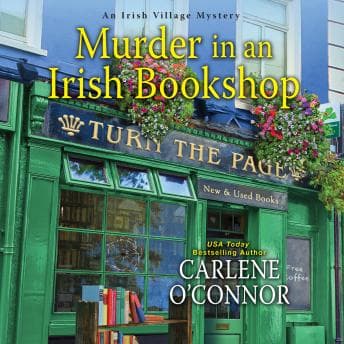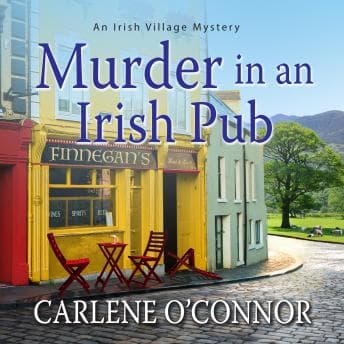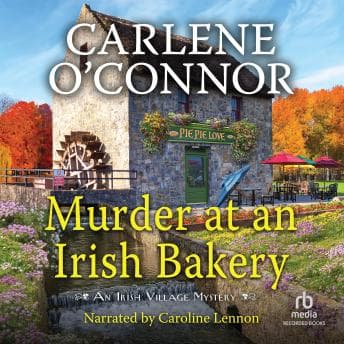

What is it about baking competitions that brings out the absolute worst in people?
I was stirring a pot of dal at 10 PM, half-listening because I'd convinced myself this would be light cozy mystery fare, when I realized I'd stopped stirring entirely. The dal was burning. I didn't care. Someone had just been found face-down in her own signature pie, and I needed to know who did it.
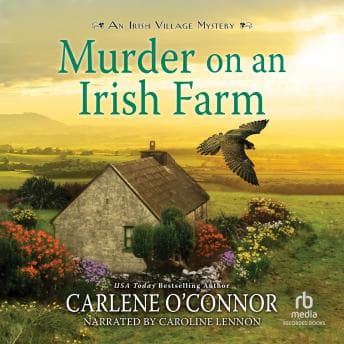
Murder at an Irish Bakery is the ninth book in Carlene O'Connor's Irish Village Mystery series, and it does something I genuinely appreciate: it takes the cozy mystery format and gives it actual psychological teeth. Not sharp ones—we're still in County Cork, not Hannibal Lecter territory—but there's a real understanding here of how competition warps people. The research actually shows that high-stakes environments trigger our most primitive survival instincts, and watching these bakers turn on each other during a reality show? Classic case study in stress-induced behavioral regression.
When the Accent Becomes the Character
Caroline Lennon's narration is doing something sneaky here. Her Irish lilt isn't just atmosphere—it's characterization. The way she shifts between the local Kilbane residents and the outside contestants creates this immediate us-versus-them tension that mirrors the actual plot dynamics. The protagonist, Garda Siobhán O'Sullivan, comes through as genuinely competent rather than just lucky (a pet peeve of mine in mysteries—why are so many amateur sleuths just stumbling into solutions?). Lennon gives her this grounded, observant quality that makes you believe she's actually thinking through the case.
The character differentiation is solid—and I mean actually solid, not "the narrator changed pitch slightly" solid. Each baker gets their own vocal personality, which matters when you're tracking six suspects through nine and a half hours. One reviewer mentioned struggling with the Irish names initially, and I'll admit I rewound a few times early on. But here's the thing: Lennon's consistency means that by hour three, you're recognizing characters by voice before their names even register. That's good craft.
The Psychology of the Perfect Pie (and Perfect Murder)
What makes this work is O'Connor's understanding of motive layering. The obvious suspect—rivalry among contestants—is there, sure. But the book keeps peeling back to reveal that everyone in Kilbane has some connection to the victim or the show or both. It's a fascinating study in small-town dynamics, where everyone knows everyone's business except for the one thing that actually matters.
Siobhán's relationship with her husband Macdara (also a Garda, which creates some interesting professional tension) adds texture without overwhelming the mystery. They're partners in both senses, and the way they navigate a case together while being married feels psychologically accurate. No manufactured drama about "you don't trust my instincts"—just two people with different perspectives trying to solve a murder.
My one gripe: there's some repetition in the middle section. Information gets restated in ways that feel like the author wasn't sure which scene would land better, so she kept both. A tighter edit would've shaved maybe an hour off and made the pacing snappier. Not a dealbreaker, but I noticed.
The Reality Show Within the Mystery
The decision to keep filming after the murder is—psychologically, this doesn't track for a normal production, but it's perfect for the story. It creates this pressure cooker where everyone's performing innocence while the cameras roll. The producers become suspects. The contestants can't leave. And Siobhán has to conduct interrogations while being aware that everything might end up as footage.
There's something meta happening here that I appreciated: a mystery about a competition that's really about who can perform best under pressure. The killer is, essentially, the best actor in the room.
Who Should Queue This Up (And Who Should Skip)
If you need your mysteries dark and gritty, this isn't it. But if you want something that respects the genre while giving you genuinely interesting character psychology? This delivers. It's perfect for long drives or—apparently—burning your dinner because you got too invested. Skip if you have zero patience for cozy mystery conventions or Irish name pronunciation learning curves.
The narration is excellent, the setting is charming without being saccharine, and the mystery plays fair. I found myself asking: why does the victim really inspire such hatred? The answer, when it comes, makes sense. That's rarer than it should be.
The Diagnosis
Look, I've read enough mysteries to know when an author actually understands why people do terrible things versus when they're just moving plot pieces around. Dog on It has that same quality—genuine character motivation driving the mystery rather than contrived plotting. O'Connor gets it. The killer's motivation, once revealed, exhibits classic patterns of narcissistic injury—the kind of slow-burning resentment that can absolutely lead to violence. (My therapist would have thoughts about this character, and none of them would be surprising.)
Caroline Lennon's performance elevates material that could've been forgettable into something genuinely engaging. Her pacing through the interrogation scenes—the pauses, the slight shifts in tone when characters are lying—adds a layer of psychological depth that isn't always on the page.
Worth your time. Worth your credit. Maybe just order takeout while you listen.