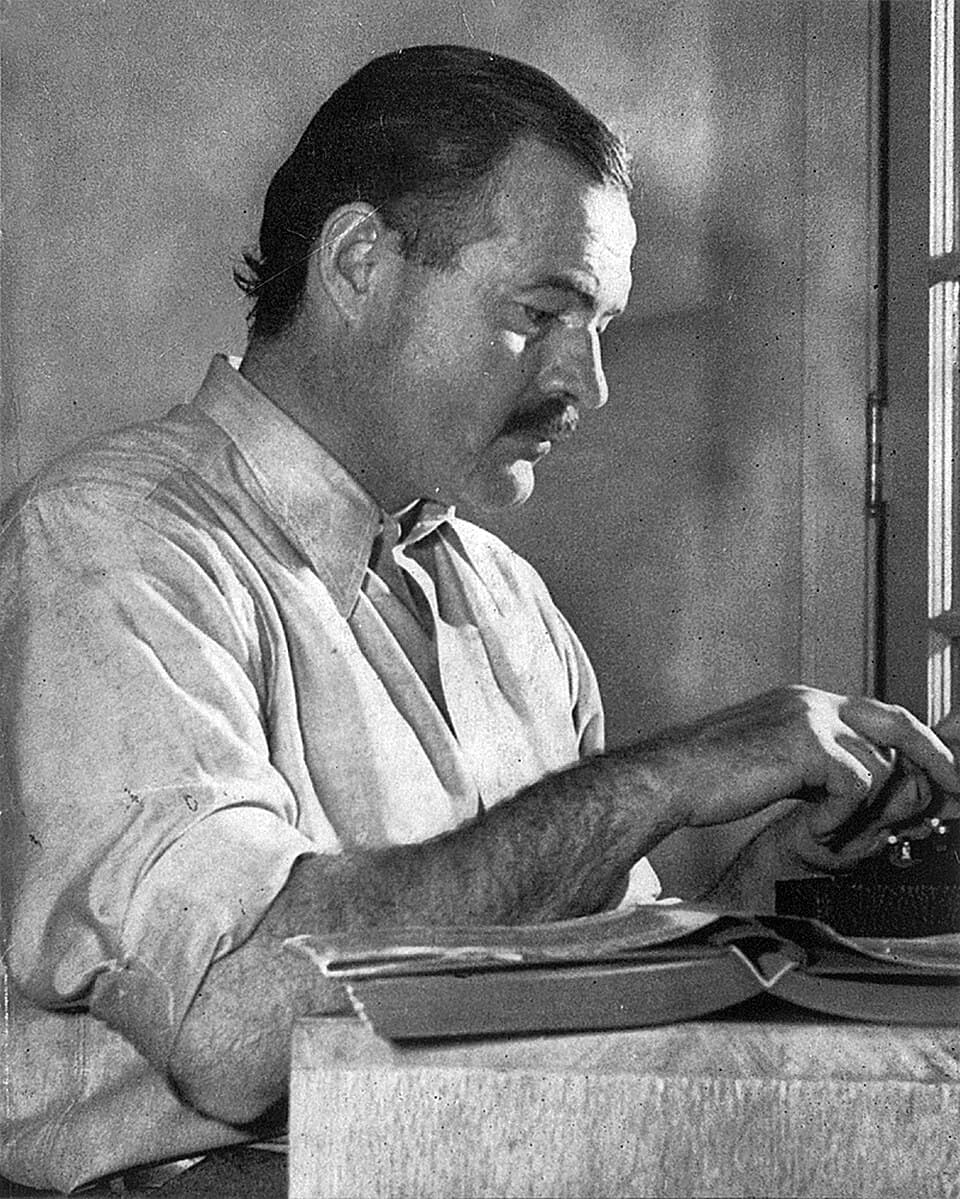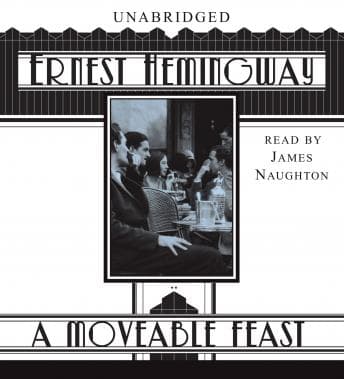

Look, I need to get something off my chest: Hemingway is exhausting. Not the prose - the prose is clean and sharp and does exactly what it needs to do. The man himself. Twenty years of teaching "Hills Like White Elephants" to juniors who think the story is literally about elephants, and I've developed this complicated relationship with Papa where I admire the sentences and want to shake the person who wrote them. So when I finally sat down with A Moveable Feast - this restored edition, no less - I was bracing for four and a half hours of performed masculine stoicism.
What I got instead was Hemingway at his most vulnerable, which is to say, still not very vulnerable at all, but enough to crack something open.
The Cruelest Kindness Hemingway Ever Wrote
This is a memoir about being poor and young and married in Paris, and it's devastating precisely because Hemingway knows, while writing it in the late 1950s, how badly he's going to wreck everything good he describes. The passages about Hadley - his first wife, the one he actually loved in that uncomplicated way you can only love someone before you've betrayed them - they carry this weight that the 1920s Hemingway wouldn't have understood. He writes about sharing a meal at Lipp's or walking through the Luxembourg Gardens, and you can feel the older man mourning through the younger man's joy.
This reminds me of what Hemingway said about writing - "write the truest sentence that you know." The truest sentences here aren't about Paris. They're about guilt dressed up as nostalgia.
And then there's the literary gossip, which is honestly half the fun. His portrait of Fitzgerald is simultaneously affectionate and devastating - the scene where Scott convinces himself he's dying, the way Hemingway describes Zelda's influence like watching someone slowly poison a well. That particular brand of literary score-settling - affection curdling into something sharper - is something I kept bumping into in Selected Short Stories, where the compression of the short form forces those same complicated feelings into even tighter quarters. Ford Madox Ford gets treated with barely concealed contempt. Gertrude Stein gets a complicated, shifting portrait that starts warm and curdles. These aren't fair portraits. They're Hemingway settling scores from beyond the grave. But they're alive in a way that careful, balanced memoir writing never is.
James Naughton Gets the Silences Right
I listened to this on three consecutive walks along the lakefront with Denise, and somewhere around the second walk she asked why I kept stopping and staring at the water. It was because Naughton had just delivered one of those Hemingway endings - the ones where the sentence stops but the feeling doesn't - and I needed a second.
The narrator understands that pause is punctuation. Naughton reads Hemingway the way Hemingway should be read: without decoration. There's a relaxed, unhurried cadence that trusts the prose to do its own work. He doesn't try to perform Hemingway's toughness or lean into the mythology. Instead he sounds like a man remembering - warm but measured, with just enough humor to catch the self-awareness Hemingway buries in those deceptively simple sentences. When Hemingway writes about hunger - actual physical hunger, not having enough money to eat, choosing between buying food and buying a book - Naughton doesn't dramatize it. He lets the flatness of the statement carry the desperation. That's exactly right.
At four hours and twenty-five minutes, this is a lean listen. The prose deserves to be savored. Please, for the love of everything, don't speed this up. I listened at 1.0x and even considered slowing down during the cafe writing scenes, where Hemingway describes the actual physical process of putting words on paper. My students would hate this. I love it.
Who Gets Invited to This Feast
If you loved The Sun Also Rises, this is its spiritual backstory - the young man writing that novel in the cafes he'll later mythologize. If you teach literature, it's required listening just for the Fitzgerald material alone. If you're a writer, the sections where Hemingway talks about his craft - knowing when to stop, learning to cut, the discipline of leaving out what you know - are worth the credit by themselves.
But here's who should think twice: if you need plot, if you need things to happen in sequence toward a climax, this will frustrate you. It's sketches. It meanders. Some chapters are two pages long. The restored edition includes unfinished pieces that literally trail off. And if Hemingway's treatment of the women in his life makes you want to throw things - which is a perfectly reasonable reaction - this book will test your patience, because he writes about Hadley with a tenderness that is beautiful and also absolutely maddening when you know what he did next.
The Annotation in the Margin
"If you are lucky enough to have lived in Paris as a young man, then wherever you go for the rest of your life, it stays with you, for Paris is a moveable feast." That line - the one everyone quotes, the one on tote bags and Instagram posts - hits different when you hear it spoken aloud after four hours of watching a man try to preserve something he destroyed. Worth pausing the faculty meeting for. Worth pausing almost anything for.
This is why we still read the classics. Not because they're assigned, but because a man writing in Cuba in 1959 about Paris in 1922 can make you stop on a Chicago lakefront in 2024 and ache for a life you never lived.