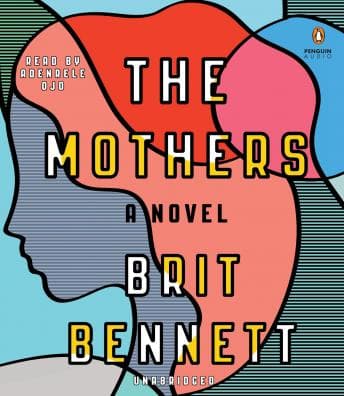
Three hours into a twelve-hour night shift. The unit was quiet—too quiet, the kind of quiet that makes you knock on every wooden surface you can find. I needed something to keep my brain from spiraling during charting. Brit Bennett's debut pulled me in so fast I almost missed a telemetry alarm. Almost.
Here's the thing about The Mothers. It's not a thriller. There's no code blue, no mystery to solve. But the tension? The slow unraveling of secrets in a tight-knit community? It had me gripping my coffee cup like it owed me money.
The Chorus That Sees Everything
The "Mothers" of the title aren't just background characters. They're the Greek chorus of Upper Room Chapel—older church women who watch everything, judge everything, and narrate in this collective "we" that's both comforting and deeply unsettling. Adenrele Ojo voices them with this honey-smooth delivery that's got thorns underneath. You know these women. I know these women. My Titas back in the Philippines ARE these women—the ones who know your business before you do and will pray for you while side-eyeing your life choices.
Ojo won an Audie for this performance, and honestly? Deserved. She shifts between seventeen-year-old Nadia's grief-fueled rebellion, Aubrey's careful faith, and Luke's quiet regret without ever losing the thread. The teenagers sound like teenagers—not adults doing that annoying "young voice" thing that makes me want to throw my phone out the car window.
Grief Doesn't Follow a Chart
Nadia's mother died by suicide. That's not a spoiler—it's the wound the whole story bleeds from. Bennett gets something right that so many writers miss: grief isn't linear. It doesn't resolve in neat stages. It shows up at 3 AM when you're supposed to be charting and suddenly you're crying into your scrubs because a fictional character reminded you of every patient family member you've ever had to comfort.
The pregnancy storyline—the secret that drives everything—could've been handled badly. Could've been preachy or judgmental or wrapped up in a neat moral bow. But Bennett refuses easy answers. The church community is complicated. The characters make choices that are messy and human and real. Nobody's a villain. Everybody's just... trying.
Carlos asked why I was crying in the car after my shift. I blamed allergies. He didn't buy it.
When Ten Hours Feels Like Three
At just under ten hours, this is perfect for about two weeks of commutes, or three night shifts if you're listening during downtime (knock on wood). Ojo's pacing is steady without dragging—she knows when to let a sentence breathe and when to push forward. I caught myself driving slower just to get more story in before I had to go inside and be a functional adult.
The only thing I'd flag: if you need plot-driven action, this isn't it. This is a character study. A community portrait. The tension comes from relationships and secrets and the weight of choices made at seventeen that echo into your thirties. If that sounds slow to you, sample first. But if you want something that feels true even when it hurts—this one delivers.
The Weight of What-Ifs
Bennett asks a question that's been rattling around my head since I finished: What if we'd chosen differently? It's a question I think about more than I should. What if I'd gone to med school like my mom wanted? What if I'd taken that travel nursing job before Carlos and I got serious? Happy Prince wrestles with similar what-ifs, though in a completely different setting. The Mothers doesn't answer these questions. It just sits with them. Lets them breathe. That's braver than any neat resolution would've been.
My mom would actually love this one. She'd probably call me after to talk about the church ladies and say something pointed about how I should come to Mass more often. But she'd also get it—the way community holds you up and weighs you down at the same time. The way mothers (capital M and lowercase) shape who we become whether we want them to or not.
Who's This For?
Listen if you want character-driven fiction that sits with hard questions instead of rushing to answer them. Skip if you need action or plot twists to stay engaged—this is slow-burn emotional weight, not a page-turner.
Night shift approved. Just maybe have tissues ready.