
Bottom Line First
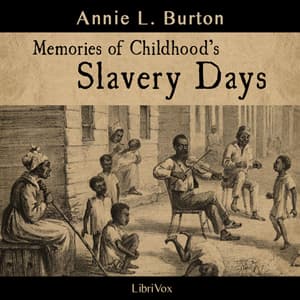
Look, this is a free LibriVox recording that runs under two hours. The ROI math is simple: you're getting a firsthand account of American slavery and its aftermath for the cost of a morning commute. That's it. That's the pitch.
I listened to this while prepping for a DEI workshop I'm facilitating next month. (Yes, consultants do those now. The world is strange.) I needed primary sources, something raw and unfiltered by modern editorial sensibilities. Annie L. Burton delivered exactly that—and honestly, not much more.
What My Parents Would Recognize
Here's the thing about Burton's story that hit me sideways. After emancipation, she describes the scramble to find work, manage money for the first time, figure out how to exist as a free person with zero safety net. She talks about taking in laundry, doing domestic work, saving pennies.
This is what my parents did instinctively. Now it has a TED talk. Except Burton was doing it in the 1860s South as a Black woman, which makes my parents' 14-hour days at the dry cleaners look like a vacation. The parallels to immigrant hustle are there, but the stakes Burton faced were incomparably higher. She's describing building a life from literally nothing—no education, no family support system, no legal protections worth mentioning.
The early chapters about her childhood on the plantation are surprisingly... light? She describes playing, not fully understanding what was happening around her while the Civil War raged. It's a child's perspective, and Burton doesn't retroactively dramatize it. That honesty is worth something.
The Narration Situation
Michele Fry reads this straight. No dramatic flourishes, no character voices, no theatrical interpretation. Just clear, measured delivery of Burton's words.
I'm genuinely torn on whether this works.
On one hand, Fry's approach respects the source material. This isn't a novel—it's a real woman's real memories. Maybe it shouldn't be performed like a one-woman show. The simplicity lets Burton's voice come through without a narrator's interpretation layered on top.
On the other hand... the second half of this audiobook is rough. Burton includes long passages of speeches, poems, and hymns that inspired her. Fry reads these with the same flat delivery, and honestly? I zoned out. Multiple times. My 2.0x speed couldn't save this one during those sections. When you're listening to someone read someone else's 19th-century poetry about racial pride, you need either emotional investment from the narrator or permission to skip ahead.
Skip to the Dr. P. Thomas Stanford speech if you're losing steam. That one actually lands—it's a sharp piece of historical rhetoric about race in America that feels uncomfortably relevant. The rest of the supplementary material? Meh.
Who Should Listen (And Who Should Skip)
Best for: Students, educators, history buffs, anyone building a foundation in primary source slave narratives. It's short enough to assign, clear enough to follow, and free.
Skip if: You're expecting Frederick Douglass-level rhetoric or a dramatically performed memoir. This is quieter, more personal, and frankly less polished. Burton wasn't a professional writer—she was a woman documenting her life. That's valuable, but it's not the same thing as compelling audiobook entertainment.
Jenny would say I'm being harsh. Jenny is right. But she'd also say I should acknowledge that not every book needs to be optimized for engagement metrics. Some things are worth experiencing because they're true, not because they're thrilling.
The Bottom Line
The core narrative is worth the listen. The other 50 minutes of speeches and hymns? Not so much. At under two hours total, you can afford to let it wash over you during chores or a short drive. Don't expect insight-per-minute efficiency—expect a quiet window into a life most business books pretend doesn't exist in American history.
I've read dozens of leadership books about "resilience" and "grit" written by people who've never faced real adversity. Michelle Obama's Becoming is one of the rare exceptions—her story of building a life from Chicago's South Side has that same unvarnished honesty about what resilience actually costs. Annie Burton doesn't use those words. She just describes getting up every day after emancipation and figuring out how to survive. That's the whole book. That's enough.







![Steve Jobs [unabridged audiobook] audiobook cover](/_next/image?url=https%3A%2F%2Fcovers.audiobooks.com%2Fimages%2Fcovers%2Ffull%2F9788499923406.jpg&w=1920&q=75)