"I am Oz, the Great and Terrible! Who are you, and why do you seek me?" — except in this version, Oz is long gone, and what's left is stranger, darker, and way more politically charged than I remembered.
Let me set the scene. It's a Sunday afternoon, I'm reshelving returns at the branch, and I've got this playing through my earbuds because the library is empty and Sundays in small-town Oregon are basically post-apocalyptic anyway. And I'm listening to a dramatic reading of a children's fantasy book from 1904, and I'm genuinely unsettled. Not horror-unsettled — more like "oh, L. Frank Baum had some real opinions about gender and power and he just... put them in a kid's book" unsettled.
The Oz Nobody Talks About
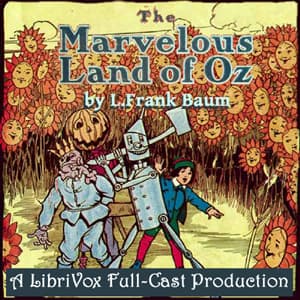
Here's what gets me about The Marvelous Land of Oz: this is not the Oz you know. Dorothy's barely in it. This is Tip's story — a boy raised by the witch Mombi, who escapes with Jack Pumpkinhead (a creature he brought to life with stolen magic powder) and ends up tangled in a revolution where an army of girls overthrows the Scarecrow's government. And then the ending — the Tip reveal — look, I won't spoil it, but Baum wrote something in 1904 that hits wildly different in 2024, and I spent a good ten minutes after the final chapter just standing in the stacks processing it.
The book itself is lighter than Wizard, yes. The stakes feel lower for most of the runtime. The Woggle-Bug — this "highly magnified" insect who's basically an insufferable academic — is more annoying than charming, and some of the middle chapters where they're building the Gump (a flying creature made from sofas and a taxidermied elk head, because Oz) drag in a way that made me check the timestamp more than once. But Baum's imagination is relentless. He just throws things at you — animated saw-horses, powder of life, a jackdaw's nest full of stolen jewels — and expects you to keep up.
LibriVox Volunteers and the Dramatic Reading Gamble
Okay, so. LibriVox dramatic readings are a specific beast, and you need to know what you're getting into. This is a volunteer cast, each person taking a character role, and the quality is... variable. That's not a dig — it's the nature of the project. Some of these volunteers commit. The person voicing Mombi gives her this dry, slightly bored menace that actually works for a witch who's been hiding in plain sight. Jack Pumpkinhead's reader captures this vacant sweetness that made me picture him perfectly — hollow, earnest, a little sad.
But then you've got the Woggle-Bug, whose reader leans into the pomposity so hard it becomes grating in a way I'm not sure is intentional versus just... how the performance landed. And the transitions between chapters can feel abrupt — you're adjusting to different recording environments, different microphone qualities, different energy levels. At under five hours, it's not a huge time investment, but around the two-hour mark when they're assembling the Gump piece by piece, I did feel the pacing sag.
The narrator commits — in places. That's the honest version. For a free, volunteer-produced dramatic reading, this is solid. But if you're coming from professionally produced audiobooks, the inconsistency will be noticeable.
Growing Up Forbidden From Fantasy
Here's why this one hit me personally. I grew up in a house where The Wizard of Oz movie was allowed (barely), but the books were suspect. Too much witchcraft. Too much "playing God" with bringing things to life. And Marvelous Land of Oz specifically — a story where a boy is transformed, where gender is literally fluid, where a revolution upends established power — yeah, I can see exactly why my parents would've kept this off the shelf. Coming to it now, as an adult who's built their whole identity around consuming the stories they were told to fear? There's something deeply satisfying about that. This isn't horror, but it understands something horror understands: transformation is terrifying, and sometimes the thing you're most afraid of is who you actually are.
Shirley Jackson walked so — okay, no, Baum was walking alongside her, just on a very different yellow brick road.
Who Gets the Most Out of This
If you're an Oz completist or you want to hear Baum's weirder, more political sequels brought to life by people who genuinely love the material — this is worth your time. It's free (LibriVox, bless them), it's short, and the dramatic reading format gives it more texture than a single narrator would.
If you're expecting Wizard of Oz magic? You'll probably land where a lot of listeners do — finding it less enchanting, less focused, less iconic. The new characters are fun (Jack Pumpkinhead especially), but they don't replace Dorothy and Toto in your heart.
And if you're like me — someone who reads old children's literature through a lens of "what were you actually saying, sir?" — the Tip storyline alone makes this worth the listen. My podcast listeners are going to love this when I do my episode on proto-queer narratives in early American fantasy.
Shelve it next to the weird ones. The ones that aged strangely and beautifully and uncomfortably all at once.