
Three AM on the unit, charting done, no codes called (knock on wood), and I'm listening to a man die slowly while the night shift hum of monitors keeps me company. That sounds morbid. It was morbid. But also? Strangely comforting in a way only healthcare workers and people who've sat with the dying understand.
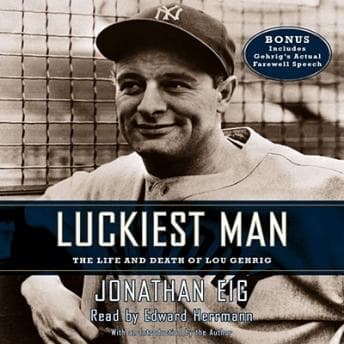
Jonathan Eig's biography of Lou Gehrig caught me off guard. I expected baseball stats and Yankee nostalgia. What I got was a portrait of a man watching his own body betray him—and doing it with a grace that made me think about every patient I've ever held hands with in their final hours.
The Iron Horse Was Actually a Mama's Boy
Here's what surprised me most: Gehrig wasn't some stoic hero born fully formed. He was awkward. Shy. His mother Christina was—and I say this with the authority of a Filipina eldest daughter—A LOT. She controlled everything, interfered with his marriage, probably would've moved into the dugout if they'd let her. The two hundred previously unpublished letters Eig dug up paint a picture of a man who struggled to break free from his mother's grip even as he became one of the most famous athletes in America.
Carlos asked why I was crying in the car after one shift. I blamed allergies. But really, it was hearing about how Gehrig's wife Eleanor had to fight Christina for basic respect in her own marriage. Family dynamics don't change across decades, apparently.
When the Body Starts Lying
Eig drops a detail that hit me like a defibrillator to the chest: Gehrig's ALS symptoms started appearing in 1938, a full year before his famous retirement. He was playing through weakness, through stumbles, through a body that was already beginning to fail. His teammates noticed. The sports writers noticed. But everyone kept quiet because that's what you did.
As someone who's actually worked with ALS patients, I can tell you—the early symptoms are subtle until they're not. The way Eig traces Gehrig's decline, pulling from medical records and eyewitness accounts, is medically sound. No Hollywood dramatization. Just the slow, terrible reality of a motor neuron disease taking apart a man who was famous for never taking a day off.
Edward Herrmann Reads Like Your Favorite History Professor
Herrmann won an Audie for this, and I get it. His voice has this warmth—like a grandfather telling you stories on the porch. When he reads the old newspaper reports, there's this almost youthful enthusiasm that captures how the press fawned over Gehrig in his prime. You can hear the exclamation points.
But—and this is a real but—some folks find him too even-keeled. Almost unemotional. I didn't mind it, personally. After twelve-hour shifts surrounded by beeping and chaos, steady felt right. When he gets to Gehrig's "luckiest man" speech, Herrmann lets the words do the work. No dramatic quiver. Just the speech, delivered with dignity. That restraint works because Gehrig himself was restrained. The narration matches the man.
Who Should Skip This (And Who Should Queue It Up)
If you want fast-paced sports drama with big personalities shouting at each other, this isn't it. The Babe Ruth stuff is here—including the rumor that Ruth may have had an affair with Gehrig's wife (Eig handles this with appropriate skepticism)—but this isn't a buddy comedy. It's a character study of a quiet man who showed up every day until his body physically couldn't.
Also, if you're going through something with a loved one's health, maybe wait. The final chapters detail Gehrig's last two years with unflinching clarity. I've been in those rooms professionally. Hearing it described so accurately was a lot.
But if you appreciate stories about ordinary people carrying extraordinary weight with dignity? This one's for you.
Perfect For Your Drive Home From the Hard Shifts
At just under six hours, this fits neatly into a week of commutes. I finished it over four post-shift drives, and the pacing worked for that decompression window. Not so heavy it kept me awake worrying, but substantial enough to feel like I'd learned something.
My mom would love this. She still thinks I should've been a doctor, but she also cries at sports movies and loves a good "man overcomes adversity" story. This is that, but real. And somehow sadder because of it.
Clocking Out
Night shift approved. Just maybe keep tissues in the console. If you want something that hits similar emotional notes about mortality and grace, Life does that work too—different context, same gut punch.