
Let me cut to the chase—this isn't my usual loadout. If you know me, you know I stick to Brad Thor, Jack Carr, or historical accounts of the Pacific theater. But a six-hour drive to a security conference in Houston with my wife, Linda, involves compromise. She controls the aux cord, I control the AC. Fair trade.
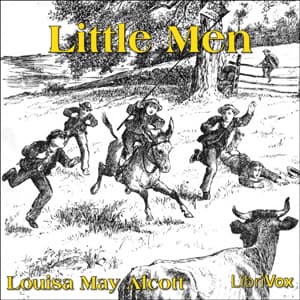
So, Little Men. Louisa May Alcott. The sequel to Little Women, which I have also sat through (don't ask). Little Women was Linda's pick too, and somehow I survived that one without filing for divorce.
Here's the intel: It's basically Jo Bhaer running a boot camp for unruly boys at Plumfield Estate. Except instead of drill sergeants and obstacle courses, you've got moral lessons and pillow fights. Honestly? The leadership principles aren't that different from what I taught lieutenants at Fort Benning. Just less shouting.
The Volunteer Squad
We listened to the LibriVox version. If you're not tracking, LibriVox is public domain stuff recorded by volunteers. It's free. I've rolled the dice on their recordings before—War and Peace, Book 01: 1805 had the same hit-or-miss narrator situation. And like most things in life that are free, the quality is... variable.
It's a patchwork operation. You'll get one chapter read by someone who clearly missed their calling in radio—smooth, professional, great cadence. Then the next chapter hits, and it sounds like someone recording inside a tin can during a windstorm. Or worse, a grown adult doing a "baby voice" for a six-year-old character.
(Look, I get it. It's charity work. I respect the effort. But when a narrator tries to squeak out dialogue for a toddler, Ranger literally lifts his head and whines. It's painful.)
If you grab this, look for the "Dramatic Reading" version. It uses different voices for different characters. Helps keep the chaos organized, even if the acting quality swings wildly from "Oscar-worthy" to "high school play."
Training Day: Victorian Edition
Here's where the book actually surprised me. I expected fluff. Instead, I got a manual on character development.
Jo Bhaer runs a tight ship, but she leads with empathy. She takes these street urchins and spoiled brats and turns them into functioning members of society. There's a scene involving a lie and a punishment that actually hit me pretty hard—reminded me of the weight of command. When you're responsible for molding young men, the stakes are always high.
The structure is episodic. There's no "villain" to defeat, no bomb to defuse. It's just life. Usually, that bores me to tears. I need a mission objective. But Alcott manages to make the small victories—conquering a temper, learning to be honest—feel significant.
(Though, I admit, I cranked the speed to 1.35x during the gardening chapters. A man can only listen to so much talk about vegetables.)
After Action Report
Is it perfect? No. The audio quality on the LibriVox recordings can pull you out of the moment. You have to be willing to adjust your volume every twenty minutes. And if you're looking for plot twists, you're in the wrong theater of operations.
But as a look at how to raise decent human beings? It holds up. Linda loved it. I didn't hate it. Ranger slept through most of it, which is the highest compliment he gives to anything that isn't a squeaky toy.
Who should listen: Parents, teachers, or anyone curious what happens to Jo March after she grows up. Budget listeners willing to tolerate volunteer audio quality. Who should skip: If you need action, plot twists, or professional narration, this isn't your mission.
Just be ready to forgive the audio glitches.