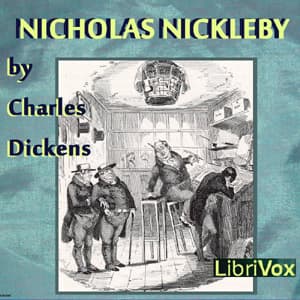

Thirty-five hours. That's what I committed to during the longest grading season of my life—junior essays on The Great Gatsby, all 127 of them, each one convinced that the green light was "about money or whatever." And you know what got me through? A young Dickens being absolutely unhinged in the best possible way.
I started Nicholas Nickleby during my morning walks along the lakefront, but honestly? It became my constant companion. Grading at 11 PM, Mil Nicholson's voice in my ears. Faculty meeting about standardized testing, Nicholson describing the horrors of Dotheboys Hall. (Principal Martinez, I promise I was paying attention to the budget spreadsheet. I wasn't. Smike was being rescued.)
When Dickens Was Young and Furious
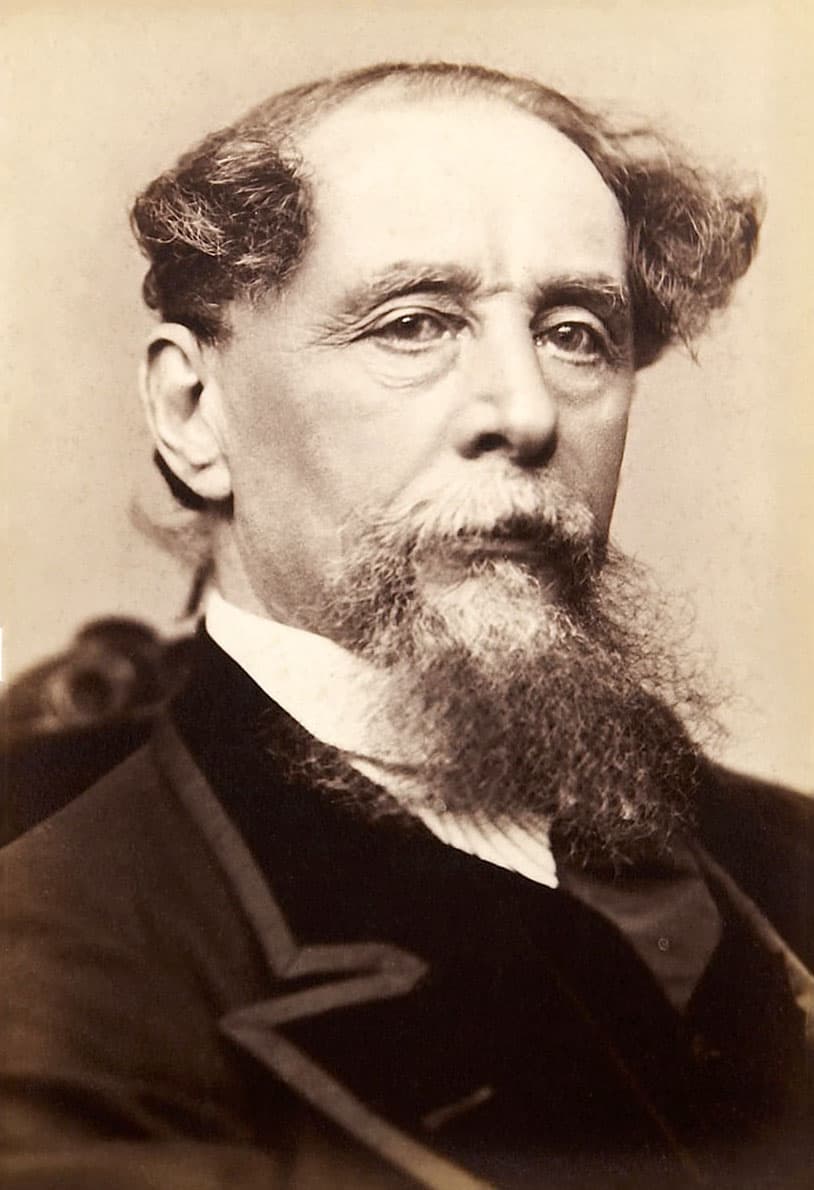
Here's what my students don't understand about Dickens—they think he's dusty, Victorian, all corsets and propriety. But Nicholas Nickleby was written when Dickens was basically their age, relatively speaking. Twenty-six years old and absolutely seething about child abuse in Yorkshire schools. This isn't the measured, mature Dickens of Bleak House. This is Dickens with something to prove, throwing punches at every social injustice he could find.
And it shows. The plot careens from tragedy to farce to romance to melodrama with the kind of energy that would give a modern editor heart palpitations. One moment you're genuinely disturbed by the treatment of children at Squeers's school—and Dickens based this on real places he investigated, which makes it worse—and the next you're laughing at Mrs. Nickleby being courted by a madman throwing vegetables over her garden wall.
This is why we still read the classics. Not because they're Important with a capital I, but because a twenty-something writer was so angry about injustice that he wrote a sprawling, messy, passionate novel that still hits.
Mil Nicholson Gets It
That's the simplest way I can put it. Some narrators approach Dickens like they're reading a museum exhibit—all reverence and careful pronunciation. Nicholson approaches it like performance, which is exactly right. Dickens wrote for serialization, for entertainment, for people gathered around reading aloud. The prose deserves to be savored, yes, but it also deserves to be performed.
The character differentiation is particularly impressive when you consider how many voices Nicholson has to juggle. The Crummles theatrical troupe alone would be a challenge—you've got Mr. Crummles with his bombastic actor's ego, the infant phenomenon (who is definitely not an infant), and a whole band of ridiculous performers. Nicholson keeps them distinct without descending into cartoon.
And then there's Smike. Look, I teach teenagers. I've seen a lot of literary suffering. But Nicholson's Smike genuinely got to me—that broken, devoted, desperately hopeful voice. When Nicholas rescues him from Dotheboys Hall and Smike can barely comprehend kindness because he's never experienced it... yeah. I had to stop grading for a minute.
I've seen some listeners mention the pacing can feel slow in places, and I won't lie—thirty-five hours is a commitment. But I'd argue that's the novel, not the narration. Dickens was paid by the installment. He wasn't in a hurry. If you're looking for tight, economical storytelling, you're in the wrong century.
The Messy Heart of It
What struck me most—and this is the English teacher talking, so bear with me—is how personal this novel feels. Nicholas is nineteen, hot-headed, protective of his family to a fault. He makes impulsive decisions. He joins a theatrical troupe on a whim. He falls in love with the kind of immediate certainty that only the young possess.
This reminds me of what Hemingway said about writing—that you have to bleed onto the page. Young Dickens bled here. His fury at Ralph Nickleby, at Squeers, at every petty tyrant and cruel employer—it's not abstract. It's visceral.
My students would hate this. Too long, too many characters, too many coincidences. (And yes, the coincidences are ridiculous. Everyone in Victorian London apparently knew each other.) But I loved it. I loved the theatrical troupe chapters especially—Dickens clearly had so much fun writing them, and Nicholson has just as much fun performing them.
Who This Is For (And Who Should Run)
If you loved David Copperfield, this is its spiritual predecessor—same sprawling, character-driven energy, same gallery of grotesques and saints. That same feeling of a young man finding his way through a hostile world shows up in War and Peace, Book 09: 1812, though Tolstoy trades Dickens's theatrical flair for battlefield chaos. If you're new to Dickens, I might actually start here rather than with the more famous novels. It's rougher around the edges, but that rawness is part of the appeal.
Skip this if you need tight plotting or can't handle Victorian pacing. My students who skim SparkNotes? Not for them. But if you've got the hours and want to hear a young writer absolutely furious at the world? Clear your schedule.
Mr. Williams's Final Grade
The Crummles sections alone are worth revisiting just for the sheer joy of them. The confrontation scenes between Nicholas and Squeers are genuinely cathartic—Nicholson nails the righteous fury. Thirty-five hours, and I'd pause another faculty meeting for it.