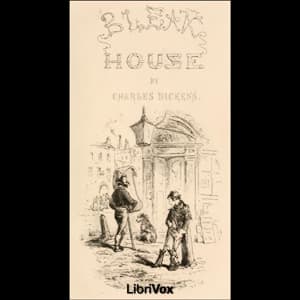

Can you really spend forty hours with one narrator and not develop some kind of relationship with them? That's the question I kept asking myself somewhere around hour twenty of this massive undertaking. Bleak House isn't just a novel - it's a commitment. A semester-long commitment, if we're being honest about it.
I'll admit I approached this LibriVox recording with some skepticism. Free audiobooks narrated by volunteers can be hit or miss, and Dickens demands a certain level of performance. The man wrote for serialization, for drama, for voices that leap off the page. So when Mil Nicholson's voice came through my earbuds during a particularly brutal stack of sophomore essays, I held my breath.
The Voice That Carried Me Through Chancery Court
Here's the thing about Nicholson's narration - it's professional. Really professional. She's got acting chops, and they show. Her delivery is clear, well-paced, and she understands that Dickens' prose needs room to breathe. She doesn't rush the satirical bits, doesn't steamroll through the moments where Dickens is practically winking at the reader about the absurdity of the legal system.
But - and my students would appreciate this contradiction - professional doesn't always mean captivating. Some listeners have complained about what they call a "sticky mouth" quality to her narration. I didn't find it distracting, personally, but I can see how over nearly forty hours, small audio quirks become magnified. It's like noticing your professor's verbal tic by week three of the semester. Once you hear it, you can't unhear it.
What Nicholson does exceptionally well is maintain consistency. With a novel this sprawling - we're talking dozens of characters across multiple storylines - she keeps everything organized without resorting to cartoonish voice changes. Miss Flite sounds appropriately fragile. Mr. Skimpole has that infuriating lightness that makes you want to reach through time and shake him. And Esther? Esther's sections feel genuinely intimate, which is exactly what Dickens intended with that first-person perspective.
Where Dickens Meets the Modern Listener
Let's be real for a second. Bleak House is not an easy listen. It's not beach reading. It's not even "doing dishes" listening, unless you're prepared to miss crucial plot points while scrubbing a particularly stubborn pan. This is focus listening. This is "pause the faculty meeting audio and actually pay attention" territory. (Principal Martinez, I was definitely listening to your budget presentation. I wasn't. I was listening to Lady Dedlock's secrets unravel.)
The novel itself remains one of Dickens' finest achievements - I use that phrase deliberately, knowing I tell my students to avoid superlatives. But here it's earned. The dual narrative structure, alternating between Esther's warm first-person and the cold third-person legal drama, was revolutionary for its time. And it still works. The mystery surrounding Lady Dedlock builds slowly, deliberately, across hours and hours of listening. When Inspector Bucket finally enters the picture, it feels like the novel shifts gears entirely.
What struck me most, listening at 1.0x because the author chose those words and I choose to hear them properly, is how funny Dickens is. The Jellyby family, constantly on the verge of disaster while their mother obsesses over African projects she'll never see - it's biting social commentary wrapped in absurdist comedy. Mr. Skimpole's shameless mooching. The entire Smallweed family, mean and grasping. Dickens isn't just telling a story about legal injustice. He's cataloguing every type of human failure with something approaching glee.
The Forty-Hour Question
Would I recommend this specific recording? Yes, but with caveats. If you want a multi-voice production with distinct character voices and dramatic flair, this isn't it. There are other versions of Bleak House that go that route, and some listeners genuinely prefer them.
But if you want a clear, competent reading that lets Dickens' words do the heavy lifting? Nicholson delivers. She's not trying to be the star of the show. She's trying to be the conduit, and there's something admirable about that approach. It's teaching versus performing - and I say that as someone who does both.
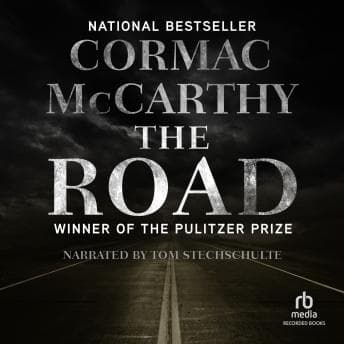
My students would hate this. Forty hours? Of Victorian prose? About a court case? They'd rather read the SparkNotes and call it a day. But that's precisely why I love it. Bleak House rewards patience. It rewards attention. Road demanded that same kind of sustained focus from me—the kind where you can't multitask your way through. And Nicholson's steady, professional narration is exactly the right vehicle for readers who want to actually experience the novel rather than just get through it.
Who Should Listen (And Who Should Skip)
This one's for patient listeners who want Dickens unfiltered - no theatrical flourishes, just clear delivery at a price that can't be beat. Skip it if you need dynamic voice acting to stay engaged over forty hours, or if Victorian prose makes you reach for the 2x speed button.
Is it perfect? No. Nothing is. But at this price point - free, through LibriVox - it's a remarkable gift to anyone willing to put in the time. Just maybe don't start it during finals week. Trust me on that one.