
It was 11:30 PM on a Tuesday. I'd just finished grading my thirty-fourth essay on The Great Gatsby, and if I had to read one more misspelling of "Daisy Buchanan," I was going to throw my red pen into Lake Michigan. My brain felt like sludge. I needed a palate cleanser. Something sweet. Something wholesome. Something where nobody gets shot in a pool.
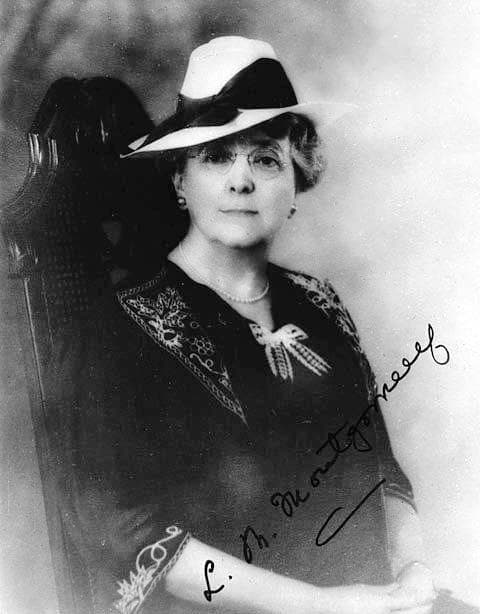
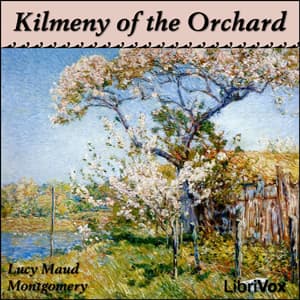
So I turned to L.M. Montgomery. Not Anne—I've read Anne enough times to recite it backward—but Kilmeny of the Orchard. A deep cut. Though if you're looking for Montgomery's most famous work with slightly better audio production, Anne of Green Gables is always there waiting. I put my headphones on, poured the last of the Pinot, and waited to be transported to Prince Edward Island.
And I was transported. Sort of. Until the narrator changed. Again.
The Pastoral Dream (With a Hiccup)
Let's start with the good stuff, because Montgomery really knew how to write a sentence. The story is pure sugar. We have Eric Marshall, who is basically the student who sits in the front row, does all the extra credit, and reminds the teacher to collect the homework. He's perfect. He goes to PEI, wanders into an orchard, and finds Kilmeny, a mute girl playing the violin.
(My wife Denise says this sounds like a setup for a horror movie, but she listens to true crime podcasts to fall asleep, so what does she know?)
It's a classic romance. The language is lush. Montgomery describes nature in a way that makes you want to sell your house and live in a tree. The prose has that slow, deliberate rhythm that modern thrillers just don't have. It's comforting. The literary equivalent of a warm blanket.
But—and this is a massive "but"—the audio experience fights the text every step of the way.
The Carousel of Voices
Here's the thing about LibriVox. I love the mission. Free audiobooks of public domain works? Fantastic. Democracy in action. But as a listener who believes narration is performance art... it's rough.
This is a collaborative recording. Chapter 1 is read by someone who sounds like a sweet grandmother in a library. Chapter 2 is a guy who sounds like he's recording in a bathroom. Chapter 3 is someone else entirely.
Imagine watching a movie where the lead actor changes every ten minutes. Just when you get used to the cadence, the tone, the pacing—bam. New voice. I had the exact same problem with Man-Eaters of Tsavo—LibriVox's collaborative approach is noble, but it murders narrative flow. It breaks the spell. I found myself constantly adjusting the volume because the recording levels were all over the place. One narrator whispers; the next one shouts.
And the intros. Look, I get it. Legal reasons. But hearing "This is a LibriVox recording. All LibriVox recordings are in the public domain..." at the start of every single chapter? It's maddening. Like a commercial break that interrupts the mood right when things are getting emotional. By Chapter 5, I was practically reciting the disclaimer along with them just to keep my sanity.
Why I'm Still Glad I Listened (Mostly)
Despite the audio whiplash, the story held up. There's a specific kind of innocence in Montgomery's writing that we just don't see anymore. It's a "slow burn" in the old-school sense—not spicy, just emotional yearning and violin playing.
(My students would hate this. They'd call it "cringe." They're wrong, of course, but I can't tell them that.)
If you can get past the production quality—or if you treat it as a series of short stories read by a community theater troupe—it's charming.
Who Should Visit the Orchard (And Who Should Stay Home)
Montgomery devotees who've exhausted the Anne books and want more PEI pastoral romance? This is your next stop. Patient listeners who can tolerate LibriVox's quirks will find genuine sweetness here. But if inconsistent narration pulls you out of a story, or if you need polished production to stay engaged, skip the audio. Honestly? This is one of those times where I wished I'd just picked up the paperback. The prose is too delicate to be handled by a committee.
Mr. Williams's Final Grade
If you need a break from the noise of the world, visit the orchard. Just maybe read this one with your eyes instead of your ears.