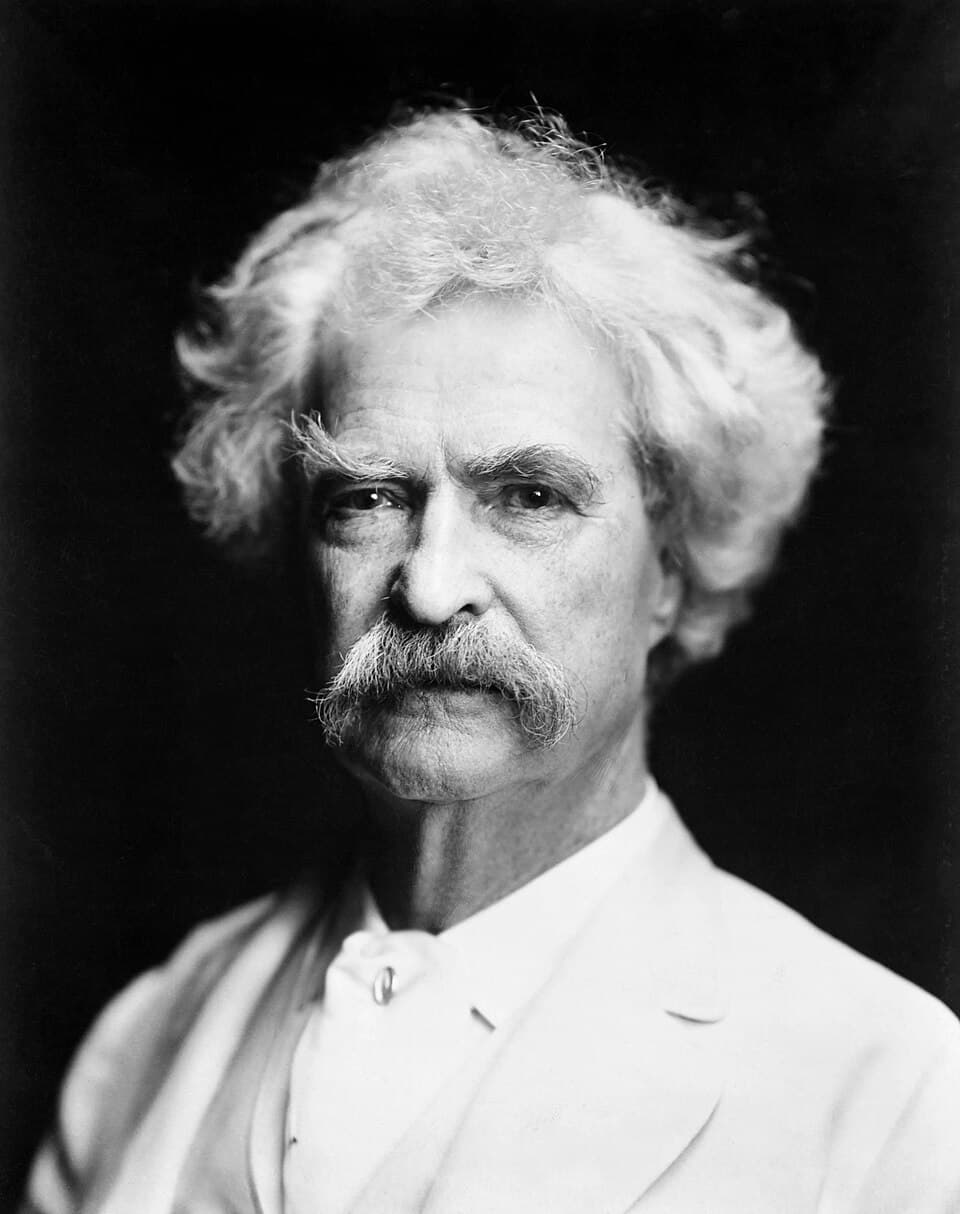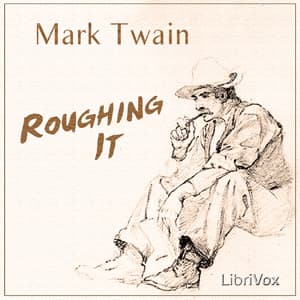

Mark Twain's The Innocents Abroad is the funniest book about being disappointed that you'll ever hear.
I need to say that upfront because at nearly twenty hours, you deserve to know what you're getting into. This isn't Huckleberry Finn. It's not a novel. It's a 19th-century American standing in front of European landmarks and holy sites, squinting, and saying "Huh. That's... smaller than I expected." And it is absolutely hilarious.
The First Honest Travel Writer
I teach juniors about Twain every year - the satirist, the social critic, the man who could skin you alive with a sentence and make you thank him for it. But I'd never actually sat with Innocents Abroad cover to cover until now. I always assigned excerpts. Fragments. The greatest hits. Listening to the whole thing is a different experience entirely. It's Twain before he became Twain, dispatching letters from a steamship in 1867, and you can hear him sharpening his knife in real time.
What kills me is how modern it feels. Twain and his fellow passengers - he calls them "pilgrims" with exactly the right amount of venom - are essentially the first package tourists. They've read the guidebooks. They've built fantasies. And then they arrive in Tangier or Venice or Jerusalem and discover that reality is dirty, crowded, and populated by people trying to sell them things. If you've ever stood in line at the Colosseum behind forty people taking selfies and thought "why did I fly here," congratulations - you're having a Twain moment, 150 years late. That gap between expectation and reality is something I kept bumping into again in Beautiful Day, though that one trades Twain's venom for something quieter and more resigned.
The humor lands hardest when he's puncturing pretension. His fellow Americans weep performatively at tombs, gush over mediocre paintings because the guidebook told them to, and collect relics like they're Pokémon. Twain watches all of this with the patience of a man grading essays he's already read thirty times. (I know that patience. Intimately.)
John Greenman and the Problem of Pronunciation
Here's where I have to be honest, because Greenman is a frustrating narrator in the way a B+ student is frustrating - clearly talented, clearly not quite doing the work.
The good: his voice has this warm, slightly conspiratorial quality that suits Twain's deadpan perfectly. He reads like a friend telling you a story on a porch, and his comedic timing is genuinely good. When Twain drops one of those long, winding setups that suddenly lands on a single devastating word, Greenman knows to let the silence do the work. The narrator understands that pause is punctuation.
The bad: foreign names. And in a book that visits France, Italy, Greece, Turkey, Syria, Lebanon, Palestine, and Egypt, there are a lot of foreign names. Greenman stresses wrong syllables on classical names in ways that made me wince while walking the lakefront with Denise. She asked why I kept sighing. I told her a grown man just butchered "Parthenon" and she told me to get over myself. She's probably right. But if you teach language for a living, mispronunciation is a pebble in your shoe - small, constant, maddening.
Also: twenty hours. The last few hours of this audiobook feel like the last week of school before summer break. You know it's wrapping up. Everyone knows it's wrapping up. And yet somehow there's still more. Twain himself seems tired by the end, and Greenman can't quite hide that fatigue.
What Twain Is Really Saying (And What He Shouldn't Have Said)
Let's talk about what the author is really saying, because underneath the jokes, this book is doing something sneaky. Twain is building an argument: that Americans worship Europe and the Holy Land out of inherited guilt, not genuine admiration. That we've been told these places are sacred and beautiful so many times that we've stopped actually looking at them. It's a book about seeing - really seeing - versus performing the act of having seen.
This is why we still read the classics. That idea hasn't aged a day.
What has aged - badly - are Twain's casual references to "Indians," "Negroes," and "infidels." I won't sugarcoat this: the language reflects popular prejudices of 1867, and it stings. I deal with this every year in the classroom - how do you teach a brilliant writer who held ugly views? You don't excuse it. You contextualize it. And you let your students be angry about it, because they should be. Same applies here.
Who Gets the Extra Credit, Who Gets Excused
If you loved Twain's fiction and want to hear the man behind the mask - less polished, more raw, funnier in some ways because he hasn't learned to edit himself yet - this is essential. If you're a traveler who's ever felt the gap between the brochure and the reality, you'll laugh until you cry.
But if you need plot, skip it. If mispronounced Greek names will ruin your week (and I respect that), maybe read the text instead. And if you can't commit to twenty hours of episodic travel writing, I'd say grab the highlights - though you'll miss the cumulative effect, which is the whole point.
My students would hate this. I love it.
The Lesson Plan
I finished this at 11 PM on a Tuesday, red pen still in hand, a stack of ungraded essays staring at me. And I sat there thinking: Twain wrote this at 31. Thirty-one years old, and he already understood that the world is never what they told you it would be, and that the honest response to that isn't despair - it's laughter.
The prose deserves to be savored. Just... maybe keep a pronunciation guide handy.