
It's 11:30 PM on a Tuesday. I have a stack of sophomore essays on The Great Gatsby sitting on my dining room table that are making me question every life choice leading up to this moment. (One kid called Nick Carraway a "simp." I hate that I know what that means. I hate it so much.)
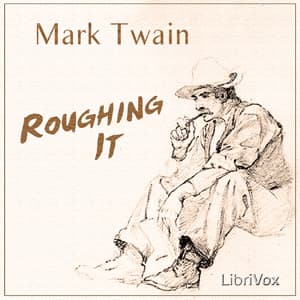
I needed out. Not physically—my knees can't take a late-night run anymore, and Denise is already asleep—but mentally. I needed to be anywhere but Chicago. I needed the open road. So I plugged in my earbuds and let Mark Twain take me to Nevada.
Here's the thing about Twain that my students don't get when they stare at the text on a page: the man was a stand-up comic before microphones existed. Roughing It isn't just a memoir about the 1860s silver rush; it's a 17-hour stand-up routine. And honestly? It saved my week.
John Greenman Is the Real Find Here
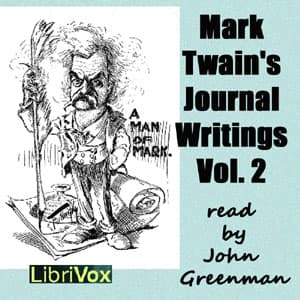
Let's talk about John Greenman. If you look him up, you'll see he's a LibriVox narrator. Usually, when I tell people to listen to public domain recordings, they look at me like I just offered them a sandwich I found on the bus. But Greenman is the exception. He is the gold standard.
He is Twain. I don't say that lightly. (My mom says I don't say anything lightly, but that's beside the point.) Greenman has this dry, gravelly, unhurried delivery that captures the irony perfectly. He understands that with Twain, the pause is punctuation. He doesn't rush the punchline.
There's a section where Twain buys a horse—a "genuine Mexican plug"—that turns out to be completely useless. The way Greenman reads Twain's feigned naivety and subsequent physical pain? I was laughing out loud in the kitchen while making tomorrow's coffee. It's performance art. It reminds me of what I tell my drama students: you have to play the truth of the situation, not the joke. Greenman plays the truth. That's exactly what makes Adventures of Huckleberry Finn work too—Twain's deadpan delivery of moral chaos. The joke lands because he treats the absurdity with total seriousness.
The "Wait, Yikes" Moments
Okay, we have to be real for a second. This book was published in 1872. It shows.
I preach context to my classes until I'm blue in the face, but even I flinched a few times. There are portrayals of Native Americans and the Chinese specifically that are... rough. Ugly. Stereotypical. It's the kind of stuff that makes you pause the track and sigh. It's historically accurate to the mindset of a white guy in the 1870s, but that doesn't make it easy to listen to in 2024. If you're sensitive to that—and you have every right to be—just know it's there. It's not the whole book, but it's not invisible either.
Also, let's talk about the tangents. Twain loves a tangent. He will talk about the geology of silver mining or the Mormon hierarchy for forty-five minutes. There were moments walking along the lakefront where I zoned out, realized I'd missed a chapter, and honestly? Didn't feel the need to rewind. It drags in the middle. It just does.
Why You Should Listen Anyway
Despite the baggage and the geology lessons, this is comfort food for the literary soul. It's a time machine.
Greenman's narration turns what could be a dry history lesson into a campfire story. You feel the dust in your throat. You feel the crushing disappointment of thinking you're a millionaire for ten minutes before realizing you lost the claim. It captures that specific American restlessness—the need to go West, to see what's over the next ridge, to fail spectacularly and write a funny story about it later.
My students would hate this. They'd say nothing happens. And they're kind of right. It's just a guy failing at mining and succeeding at lying. But at 1.0x speed (do not speed this up, you heathens), it's the perfect antidote to a modern, stressful life.
Who should listen: Anyone who loves Twain's voice, wants a slow-burn escape from modern chaos, or appreciates comedy that predates podcasts. Who should skip: If dated racial attitudes are a dealbreaker (fair), or if you need plot momentum to stay engaged, this one will test your patience.
Perfect is boring. This book is messy, problematic, hilarious, and human. Just like the grading pile I'm avoiding.





![Steve Jobs [unabridged audiobook] audiobook cover](/_next/image?url=https%3A%2F%2Fcovers.audiobooks.com%2Fimages%2Fcovers%2Ffull%2F9788499923406.jpg&w=1920&q=75)