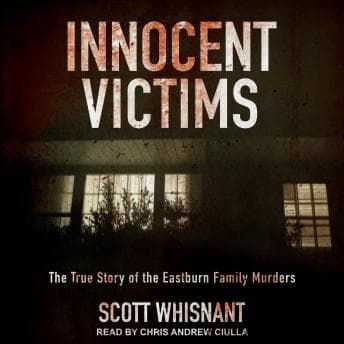

Let me cut to the chase - this case made me angry. Not at the book, but at the system. A soldier sits on death row, gets exonerated, walks free, and then DNA evidence drags him back twenty-five years later for an unprecedented third trial. That's the kind of legal whiplash that keeps you gripping the steering wheel a little too tight during your commute.
I picked this one up because the military connection caught my attention. Fayetteville, Fort Bragg, an Army soldier accused of murdering an Air Force captain's wife and two of their daughters on Mother's Day 1985. The third daughter - a toddler - survived. That detail alone is enough to haunt you. And if you remember the Jeffrey MacDonald case from the same area six years earlier, you understand why this community was already on edge.
The Investigation That Kept Unraveling
Scott Whisnant was a courtroom reporter who covered this case, and it shows. The man knows his way around legal proceedings, evidence chains, and the kind of procedural details that would bore most people but had me leaning in. False testimony, concealed evidence, prosecutorial misconduct - the first conviction was built on circumstantial evidence that crumbled under scrutiny at the second trial. Hennis walked.
But here's where it gets wild. Twenty-five years later, DNA testing on crime scene evidence pointed right back at him. The Army - and this is the part that made my jaw drop - used the Uniform Code of Military Justice to try him again. Since he'd been acquitted in state court, double jeopardy didn't apply under military law. I've seen some creative legal maneuvering in my time, but this was something else entirely.
Whisnant doesn't rush any of this. At 12 and a half hours, he gives you the full picture - the investigation, the trials, the families caught in the middle of a decades-long nightmare. Some listeners wanted less focus on the home lives and more on the killer's psychology. I get that. Guest List: A Novel takes a different approach - all psychological tension, less victim backstory - and it works for that kind of thriller. But honestly? Understanding who Katie Eastburn was, who Kara and Erin were - that matters. These weren't just case numbers. They were people.
The Voice in My Head (For Better and Worse)
Chris Andrew Ciulla is an Earphones Award winner, and his pacing here is solid. The emotional weight of the material comes through without tipping into melodrama. He keeps you engaged through the legal procedural sections, which - trust me - is no small feat.
But I gotta be honest about the accents. Look, I've spent enough time in the South to know when someone's faking it. Ciulla's attempts at Southern accents are... not great. Ranger actually looked up at me during one of the witness testimonies like he was confused. (He's heard enough audiobooks to have opinions.) Some listeners found it distracting enough to mention, and I can't say they're wrong.
That said, it didn't break the experience for me. The story is strong enough to carry you through the occasional cringe-worthy drawl. If you're from North Carolina, though, you might feel differently.
SITREP
This is a well-researched, thorough account of a case that raises serious questions about our justice system. How do you reconcile an acquittal with DNA evidence that surfaces decades later? What does justice even look like for the Eastburn family after all those years? Whisnant doesn't hand you easy answers, which I respect.
The production quality is clean - no audio issues to report. I listened at 1.25x and it held up fine. The pacing is steady rather than breakneck, so if you're expecting a thriller that moves like a combat operation, recalibrate your expectations. This is methodical. Deliberate. Like building a case should be. Open Season moves faster - more action than courtroom - but both books understand that justice isn't always clean.
Who should listen: If you're into true crime that actually grapples with the messiness of the legal system, this delivers. If you want to understand how a man can be sentenced to death, freed, and then convicted again for the same crime - and whether that's justice or something else entirely - Whisnant walks you through it. Skip it if you need fast-paced thriller momentum or can't handle graphic content involving violence against a mother and young children.
Just be prepared. The content is brutal. We're talking about a mother and her young daughters. Violence, rape, murder. If that's not something you can handle, respect your limits.
Ranger approved this one. Though he's still suspicious of the accents.