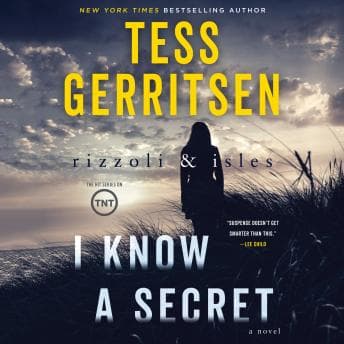

What happens when the real monster in your horror story isn't the killer—it's your own mother?
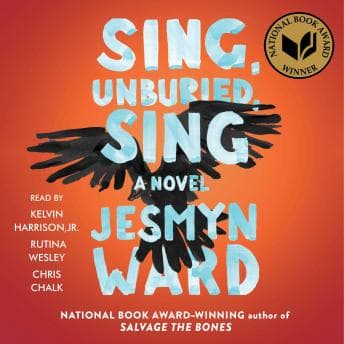
I was shelving returns at the library last week, alone in the stacks after closing, when the opening chapter of I Know a Secret hit me like a gut punch. Maura Isles, sitting across from her dying birth mother—a convicted serial killer—listening to this woman dangle cryptic clues about active murder cases while cancer eats her alive. This understands that horror isn't about gore—it's about dread. The dread of inherited darkness. The dread of becoming what made you. Milkman explores that same inherited dread—how violence and trauma echo through generations in ways we can't escape.
Shirley (my cat) was unimpressed. I was riveted.
When Your Birth Mother Is a Serial Killer and Your Work Mom Is Going Through a Divorce
Gerritsen does something clever here that I don't see enough in procedural thrillers—she makes the personal stakes as heavy as the case stakes. Jane's dealing with her mother's crumbling marriage, Maura's confronting the woman who gave her up after, you know, killing people. The murders they're investigating? Almost secondary to watching these two women navigate their respective maternal nightmares.
The case itself involves bodies bearing wounds that mirror the deaths of martyred saints. Eyes gouged out. Skin flayed. If you've spent any time researching hagiography (and yes, I have, because forbidden religious imagery was my gateway drug to horror), you'll recognize the iconography immediately. That same obsessive attention to dark religious detail shows up in Whispers, though it takes a more supernatural route. Gerritsen clearly did her homework. The connection to an independent horror film and a childhood abuse scandal adds layers that kept me guessing past the halfway mark.
But here's what elevates this beyond standard procedural fare: Amalthea Lank. Maura's serial killer mother. Dying, manipulative, and still playing games from her prison hospital bed. Their scenes together crackle with something genuinely unsettling—not because of violence, but because of the quiet cruelty of a mother who sees her daughter as just another piece to move across the board.
Tanya Eby Gets It (Mostly)
The narrator commits. That's rare. Eby's been with this series for multiple books now, and that consistency pays dividends. She's built distinct voices for Jane and Maura that feel lived-in, like catching up with old friends who happen to investigate gruesome murders.
Her warmly gentle narrative voice works surprisingly well against the dark material—there's something almost lullaby-like about how she guides you through autopsy scenes and crime scene descriptions. It shouldn't work. It does. The contrast between her easy pacing and the brutal content creates this unsettling cognitive dissonance that amplifies the horror.
Now. The lisp. Some listeners mention it, and I'll be honest—I noticed it in the first hour. A slight sibilance on certain words. By hour three? Completely disappeared into the background. My brain adjusted. If you're someone who fixates on vocal quirks, maybe this isn't your narrator. But if you can let yourself settle in, Eby's character differentiation is genuinely impressive. Her Amalthea—cold, measured, with just a hint of amusement at her own cruelty—gave me actual chills.
This Isn't the TV Show (And That's Fine)
If you came to Rizzoli & Isles through the TNT series, adjust your expectations. The show was grittier, darker, leaned harder into the buddy-cop dynamic. The books—and this one in particular—spend more time in the characters' heads. More internal struggle, less quippy banter. I actually prefer it this way. The television version was fun, but Gerritsen's prose gives Maura especially a depth the show never quite captured.
The pacing is deliberate. Not slow, exactly, but this isn't a sprint. It's a 9-hour investigation that earns its reveals. I listened during a late shift at the library, then finished the last two hours at home in the dark (because that's how horror is meant to be consumed), and the final act delivered. The long-buried secret that surfaces—I won't spoil it, but it connects to the abuse scandal in ways that feel inevitable in retrospect.
Who Needs This in Their Ears (And Who Should Back Away Slowly)
If you scare easily, skip. If you don't, you need this. Specifically:
- Fans of procedural thrillers with psychological depth
- Anyone with complicated feelings about their mother (so... everyone?)
- Listeners who appreciate religious horror imagery done right
- People who want their crime fiction to actually say something about trauma and survival
Skip if you need constant action or can't handle graphic autopsy descriptions. Gerritsen was a physician before she was a novelist, and it shows. The medical details are precise and occasionally stomach-turning.
Closing the Book, Turning Off the Lights
My podcast listeners are going to love this. I Know a Secret does what the best horror-adjacent thrillers do—it uses the genre conventions (the gruesome murders, the ticking clock, the shadowy predator) to explore something genuinely uncomfortable about family, inheritance, and the secrets we keep to survive. Gerritsen respects the genre while pushing against its boundaries.
Eby's narration supports rather than overwhelms, and while the lisp might take some adjustment, her command of the material is undeniable. This is book twelve in a series, but it stands alone well enough that newcomers won't be lost.
I listened in the dark. Mistake? Maybe. Worth it? Absolutely.