
What makes a man spend nearly two decades protecting a murderer?
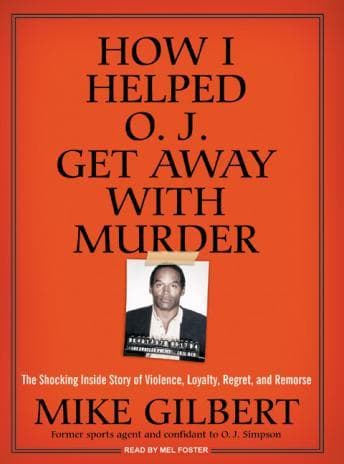
That question kept rattling around my skull during a late-night drive back from a client site in Houston. Three hours of empty highway, Ranger asleep in the back seat, and Mike Gilbert's confession pouring through my speakers. The man helped O.J. Simpson beat a double murder charge. He knew it. And now he's telling everyone exactly how.
Let me cut to the chase: this isn't some tabloid cash-grab. Gilbert donates proceeds to charity, which tells you something about his motivations. This is a man trying to lance a wound that's been festering since 1995.
The Glove That Didn't Fit
Here's the detail that made me pull over and just sit there for a minute. Gilbert claims he's the reason O.J.'s hand didn't fit that bloody glove during the trial. He advised O.J. to stop taking his arthritis medication, knowing his hands would swell. That's not speculation—that's a man admitting he actively sabotaged a murder trial.
The audacity of it still gets me. I've seen loyalty do strange things to good soldiers. I've watched men cover for buddies who did terrible things downrange. But this? That same twisted loyalty shows up in Four Blind Mice, where protecting the guilty becomes its own kind of prison. Gilbert wasn't in the fog of war. He was in a Los Angeles courtroom, stone cold sober, watching a killer walk free because of his advice.
Confession at Midnight
Gilbert describes O.J.'s late-night confession to him—the actual admission that he killed Nicole and Ron Goldman. The motive wasn't just jealousy, according to Gilbert. It was darker, more possessive. O.J. couldn't stand losing control of Nicole, couldn't accept that she'd moved on.
Mel Foster narrates this with a steady, almost matter-of-fact delivery that works surprisingly well. No dramatic inflections, no sensationalism. Just a friendly, clear voice laying out horror after horror. Like having a buddy tell you something terrible over beers—conversational, which makes the content hit harder.
The Vegas Connection
Remember when O.J. burst into that hotel room with armed men to "recover" his memorabilia? Gilbert explains what O.J. was really after. Turns out Gilbert had items O.J. desperately wanted back—items that could've been damaging. The whole armed robbery that finally put Simpson behind bars traces back to this falling out between two men who'd been thick as thieves for decades. The way betrayal unravels long partnerships reminds me of the twisted relationships in Tales of Terror and Mystery, where trust becomes the deadliest weapon.
What finally broke Gilbert? Watching O.J. dodge his financial obligations to the Goldman family while milking tabloids for cash. There's a limit to loyalty, apparently, even for men who've helped killers walk free. That limit is watching your friend profit from his crimes while his victims' families get nothing.
When Celebrity Becomes a Shield
I've worked executive protection. I've seen how wealth and fame create bubbles where normal rules don't apply. But Gilbert's account goes beyond that—it shows how an entire support system enabled a murderer. Lawyers, agents, friends, all of them circling the wagons around a man they knew was guilty.
The seven-hour runtime feels about right. Long enough to get the full picture, short enough that Gilbert doesn't pad it with filler. At 1.25x, I finished it in one round trip to Houston and back.
Foster's narration won't win any awards, but it doesn't need to. This isn't a performance piece—it's a deposition. His straightforward delivery lets the content speak for itself. No dramatic pauses, no vocal fireworks. Just the facts.
Who Should Listen—And Who Should Skip
If you lived through the O.J. trial and thought you knew everything, you don't. This fills gaps you didn't know existed. True crime enthusiasts will find this essential listening. But if you're looking for redemption or closure, you won't find it here. Gilbert doesn't get absolution. He doesn't deserve it, and to his credit, he doesn't ask for it. He just tells the truth, finally, and lets you decide what to do with it.
Skip this if you need your true crime narrated with theatrical flair. Foster's even-keeled approach might feel too flat for listeners who want drama in their delivery.
Mission Debrief
Worth your time? Absolutely. This is primary source material from inside the Simpson defense machine. Gilbert was there. He did things he can't undo. And now he's telling you exactly what those things were.
Is it comfortable listening? Not even close. But neither was watching that verdict come down in '95. Some truths need to be heard, even when—especially when—they make you angry.
Ranger woke up when I pulled into the driveway. Looked at me like he knew I'd been listening to something heavy. Dogs know. They always know.