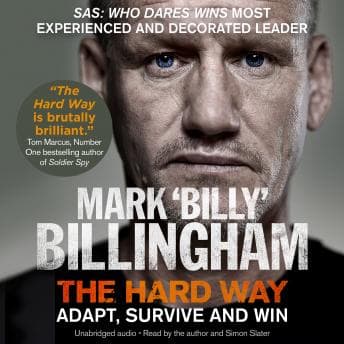

I was folding laundry at 2 PM on a Wednesday - my one day off this week - when Billy Billingham described getting into a knife fight at fourteen and almost bleeding out on the streets of Walsall. I stopped mid-fold, holding one of Carlos's work shirts like a flag, and just stood there. Because I've seen knife wounds. I've packed them, irrigated them, watched surgeons repair the damage. And the way Billy describes it - not dramatic, not glorified, just matter-of-fact the way someone who's actually been cut talks about being cut - I believed every word.
That's the thing about this audiobook. I believed it.
The Guy Who Reads His Own Story (And Should)
Billy narrates his own memoir, and look - author-narrated books are a gamble. I've suffered through plenty where the writer clearly should've handed the mic to a professional. But Billy's delivery works because he's not performing. He's telling you. There's a difference. His British accent - working class Midlands, not BBC polish - grounds every story. When he talks about P Company selection for the Parachute Regiment, or the absolute grind of SAS training, his voice carries the weight of someone who actually crawled through that mud. Simon Slater co-narrates portions, which I assume handles some of the more structural sections, but Billy's sections are the heartbeat of this thing.
What surprised me is how open he gets about his personal life. His reflections on failed relationships, the cost of being deployed constantly, the guilt of being an absent father - that's where the book got me. Not the operations. Not the celebrity bodyguard stuff (though hearing about protecting Tom Cruise and Angelina Jolie is entertaining in a surreal way). It's when Billy talks about coming home and realizing his kids grew up while he was gone. As someone who works nights and sometimes misses bedtime stories three days running, that hit different.
The Highlights and the Gaps
Here's where I got a little frustrated. At just under seven hours, this book covers Billy's entire life - childhood poverty, gangs, military career spanning decades, classified operations, celebrity protection, TV career with SAS: Who Dares Wins. That's a LOT of ground for under seven hours. And you can feel it. Some sections that deserved twenty minutes get five. The military operations, which are understandably classified, get the vaguest treatment - Billy can't tell you the details, so you get the emotional outline without the specifics. I get why, legally and ethically. But it does leave the book feeling more like a highlights reel than a deep dive.
The motivational element is real, though. Billy's philosophy about adaptation, about choosing hard when easy is available - it's not generic self-help fluff. It's backed by actual near-death experiences. When a guy who's survived SAS selection tells you to push through discomfort, it lands differently than some Instagram motivational speaker.
What I kept noticing - and this is the nurse in me - is how Billy talks about injuries and physical trauma. No drama, no exaggeration. Just "this happened, it hurt, I dealt with it." The medical details he does mention (the knife wound, various training injuries) ring true. He doesn't play doctor. He describes what happened to his body the way patients describe it to me at 4 AM when the adrenaline's worn off and they're finally being honest. That authenticity? You can't fake it.
Who This Is Actually For
If you're military or ex-military, you'll love the shift between operational stories and personal reflection. Multiple listeners who served have said this hits home, and I can see why. If you're into SAS memoirs - Andy McNab, Chris Ryan, that whole genre - Billy's contribution is less about specific missions and more about the man. Will sits in that same space - less about the operations, more about what the person underneath the uniform is carrying. What the life does to you. What it costs.
If you want a detailed, operation-by-operation Special Forces account, this might feel too surface-level. If you want to understand the kind of person who chooses that life and what comes after, this is your book.
I listened to chunks of it during my drive home and during that Wednesday laundry session, and the pacing worked for both. Short chapters, conversational delivery, easy to pick up and put down. Perfect for workout listening too - I can see why people queue this up at the gym.
Night Shift Recommendation
Carlos asked why I was quiet at breakfast after one of my drive-home sessions with this book. I blamed being tired. But really, I was thinking about Billy talking about his kids and wondering how many of my night shift years my own kids will remember as "Mom was always sleeping." A book that makes you think about your own choices while telling you about someone else's - that's doing its job. It's not perfect. It's too short for the story it's trying to tell, and the classified gaps leave holes. But Billy's voice - literally and figuratively - carries it. The man survived things most of us can't imagine and came out the other side willing to admit what it cost him. That kind of honesty from a tough guy? Rare.
Night shift approved. Keep it under your pillow for your next gym session or commute.







![Steve Jobs [unabridged audiobook] audiobook cover](/_next/image?url=https%3A%2F%2Fcovers.audiobooks.com%2Fimages%2Fcovers%2Ffull%2F9788499923406.jpg&w=1920&q=75)