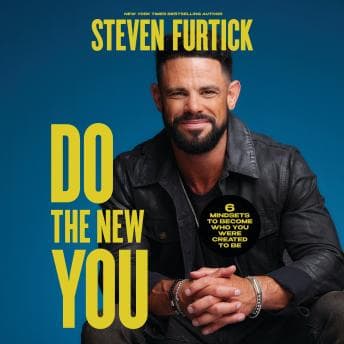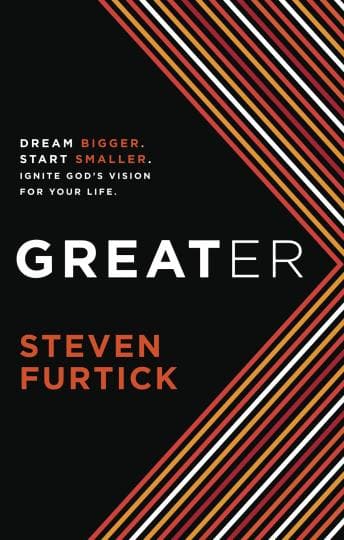

"Very truly I tell you, whoever believes in me will do the works I have been doing, and they will do even greater things than these."
I was chopping onions for a dal that would take three hours to perfect when Furtick dropped that John 14:12 verse early in the audiobook. And I stopped. Knife suspended. Because here's the thing—as someone who studies why people do what they do, that's a psychologically audacious claim. Greater things than Jesus? The research actually shows that humans are remarkably bad at believing they're capable of extraordinary things. We self-sabotage. We settle. We convince ourselves that "good enough" is the ceiling. I Need Your Love - Is That True? dissects this same pattern from a different angle—how our need for external validation keeps us trapped in those self-imposed limitations.
Furtick knows this. He's built his entire framework around it.
Why Elisha Makes a Surprisingly Good Case Study
What makes this book compelling is Furtick's choice of Elisha as his central figure. Not David, not Moses, not the usual suspects. Elisha—the protégé, the second-in-command, the guy who had to step out of Elijah's shadow. Classic successor anxiety. That particular flavor of inadequacy that comes from following greatness rather than pioneering it.
Furtick unpacks this with what I'd call pastoral intuition rather than clinical precision. He identifies the "igniting" moment—when Elisha asked for a double portion of Elijah's spirit—as the psychological turning point. It's not humble. It's not safe. It's the kind of ask that makes people uncomfortable. And that's exactly the point.
The subtitle—"Dream bigger. Start smaller"—sounds like contradictory self-help nonsense until Furtick breaks down the execution gap. Big vision, small steps. He's essentially describing what behavioral psychologists call implementation intentions without ever using the jargon. My therapist would have thoughts about Elisha—specifically, that his willingness to burn his farming equipment (literally destroying his backup plan) represents the kind of commitment most of us avoid because it terrifies us.
When Sermon Energy Meets the Recording Booth
Here's where things get complicated. Furtick narrating his own work should be a slam dunk. He's a megachurch pastor. The man speaks for a living. But there's a difference between preaching to a room of thousands and speaking into a microphone alone.
You can hear it. The energy that probably electrifies his live sermons gets... contained. Compressed. Some listeners describe missing his "relaxed, more natural way of speaking" from live settings, and I understand that. There are moments where you can almost feel him holding back, trying to fit into the audiobook format rather than letting the format serve him.
That said—and this is important—when he hits his stride in the more motivational passages, you get it. You understand why Elevation Church grew the way it did. His emotional delivery in the inspiring sections lands. It's just inconsistent. The pacing drags in places where a professional narrator might have kept things moving. Financial Freedom had similar narration quirks—author-read, uneven energy—but also that same quality of specificity over vague inspiration.
Why This Works When Most "Ignite Your Potential" Books Don't
Partly it's the specificity. Furtick isn't offering vague encouragement. He's walking through Elisha's story beat by beat, extracting principles that feel grounded rather than aspirational. The "start smaller" component particularly struck me—he acknowledges that most people fail not because they dream too small but because they start too big. They want the double portion before they've picked up the mantle.
This is a fascinating case study in how to structure motivational content for people who've already tried and failed at "being great." Furtick's addressing the discouraged, the stuck, the people who've internalized the message that their best days are behind them. Psychologically, this tracks. He's not promising overnight transformation. He's promising a process.
Who Should Listen (And Who Should Skip)
If you're looking for academic theology or verse-by-verse exegesis, this isn't it. Furtick's approach is inspirational, not scholarly. And if you need your faith content delivered by a polished voice actor, the author-narration quirks might distract you.
But if you're a Christian who's been sitting in spiritual mediocrity and can't quite figure out why—if you've got a sense that there's supposed to be more but you don't know how to access it—this is worth your four and a half hours. The book functions as a kind of permission slip. Permission to want more. Permission to ask for the double portion.
My Clinical Notes on a Non-Clinical Book
I don't typically review faith-based content. It's outside my academic lane. But the psychological architecture here is sound. Furtick understands human nature—specifically, he understands the particular ways we talk ourselves out of significance. The internal narratives we construct to justify staying small.
He's not a psychologist. He's a pastor. But sometimes the people who see us most clearly are the ones standing at the pulpit rather than behind the couch.
The dal turned out perfectly, by the way. Three hours of simmering while Furtick talked about burning plows and asking for impossible things. There's probably a metaphor there about slow processes and bold requests, but I'll let you find it yourself.