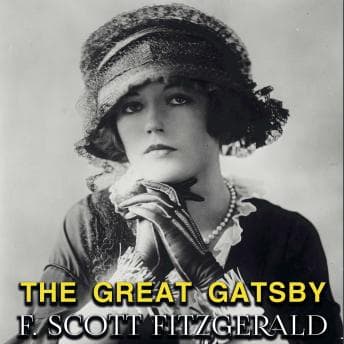

I was sitting at my kitchen table at 11:30 PM, staring at a stack of thirty-five essays about the "Green Light" symbol. (If I read one more sentence about how it represents "money," I might actually scream.) My wife, Denise, had already gone to bed, and I needed something to keep me company while I slashed through these papers with my red pen. Naturally, I put on The Great Gatsby. Again.
I've taught this book for twenty years. I know Nick Carraway better than I know some of my cousins. I usually listen to the Jake Gyllenhaal version because, honestly, the guy gets the desperation of the Jazz Age. But I saw this version by Joe Phoenix and thought, "Why not? Let's see what a new voice brings to West Egg."
Here's the thing—I made it about three chapters in before I realized I wasn't listening to a story. I was listening to a recitation.
When the Jazz Age Loses Its Swing
Fitzgerald's prose is lush. It's over-the-top. It's supposed to drip with champagne and regret. But Joe Phoenix? He plays it safe. Really safe.
The narration is clear. Super clear. If you're a student trying to catch every single word for a vocab quiz, this is actually perfect. Phoenix has great enunciation. But Gatsby isn't about clarity; it's about the haze. It's about people screaming inside while smiling at cocktail parties.
Phoenix reads with a straightforward, neutral tone that feels more like a news anchor reading a teleprompter than a neighbor watching a tragedy unfold. There's a moment where Nick describes Daisy's voice as being "full of money." It's an iconic line. In this version? It sounded like he was reading a grocery list.
(I actually paused grading to check if I had accidentally slowed the speed down. I hadn't. It was at 1.0x. It just felt... clinical.)
The "Old Sport" Problem
The biggest issue for me—and look, maybe I'm picky because I hear teenagers butcher these lines aloud every year—is the lack of character distinction.
Gatsby should sound charming but slightly fake. Tom Buchanan should sound like a hulking, racist brute. Daisy should sound breathless and shallow. In this audiobook, they all kind of sound like the same guy. It makes the dialogue scenes tricky to follow if you aren't paying strict attention. I found myself rewinding a few times, not because the audio was bad (the production is actually very clean), but because I lost track of who was talking.
It's a monotone issue. That's the word. It lacks the emotional spikes that make the tragedy hit home at the end. When the bodies start dropping (spoilers for a 100-year-old book, sorry), you want to feel the gut punch. Here, it felt like a gentle tap.
Who Should Queue This Up (And Who Should Skip)
I know I'm sounding harsh. My mom would tell me to be nice. And honestly, there is an audience for this.
If you find dramatic actors distracting—you know, the ones who whisper and shout and do funny accents—you might actually prefer this. It's unembellished. Just the text, delivered efficiently. Good for students who need to follow along word-for-word.
But if you need the performance? If you need to feel the humidity of that New York summer, need the narration to sweat a little? Skip this one. Fitzgerald's other work gets that same treatment in Selected Short Stories by F. Scott Fitzgerald—lush prose that needs a narrator who can match its energy. This version stayed dry. Too dry.
Mr. Williams's Final Grade
I finished my grading that night, but I switched back to my old Gyllenhaal recording for the drive to school the next morning. Some classics need a little bit of theater to stay alive.