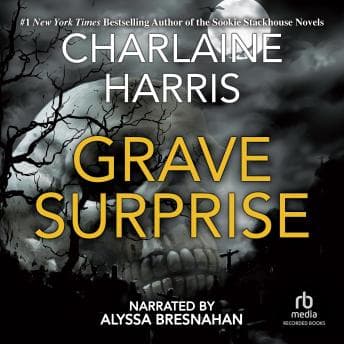

What happens when your superpower is talking to dead people, but the dead keep showing up in places they shouldn't be?
I grabbed this one for my post-shift drive home, thinking a paranormal mystery would be the perfect palate cleanser after a particularly rough night in the trauma bay. And honestly? It delivered exactly what I needed - that sweet spot between engaging enough to keep me awake on the I-10 but not so intense I'd miss my exit.
The Medical Professional's Verdict on Lightning Strike Survivors
Okay, look. I have to address the elephant in the room. Harper Connelly got struck by lightning as a kid and now she can sense dead bodies. As someone who's actually worked with lightning strike survivors (we get a few every monsoon season here in Phoenix), I can confirm that none of them developed supernatural abilities. Mostly just cardiac arrhythmias and some interesting Lichtenberg figures. But you know what? I'm willing to suspend disbelief for a good mystery, and Charlaine Harris earns that suspension.
The thing that works here is that Harper's ability isn't treated like some magical gift - it's more like a chronic condition she's learned to manage. She gets headaches. She's exhausted after readings. There are limitations. That grounding in physical consequences made it feel less like fantasy and more like... I don't know, a really weird medical case study. (My attending would roll his eyes at me for saying that, but whatever.)
Bresnahan's Low-Key Southern Gothic
Here's where I have to be honest - it took me maybe the first 45 minutes to settle into Alyssa Bresnahan's narration style. She's got this low-key, careful approach that initially felt almost too measured. But then something clicked. By the time Harper was standing over that grave in Memphis discovering a body that absolutely should not have been there, I was completely locked in.
Bresnahan does something smart with the character voices. She doesn't go over the top with accents or dramatic shifts. Instead, she makes these subtle adjustments - a slight change in cadence for Tolliver, a sharper edge for the skeptical professor. It's the kind of narration that respects your intelligence. She's not performing AT you, she's telling you a story. And for an 8-hour listen during night shift recovery days? That's exactly the energy I need.
The pacing is solid. Harris writes tight chapters, and Bresnahan knows when to lean into the tension and when to let things breathe. There's a stretch in the middle where Harper and Tolliver are piecing together clues about Tabitha's disappearance, and the narration keeps you moving without feeling rushed. I finished my entire commute home, made breakfast for the kids, and then sat in my car for an extra twenty minutes because I couldn't stop at a cliffhanger. Carlos found me out there with the engine off, just... listening. He's used to it by now.
The Stepbrother Dynamic That Actually Works
I'll admit I was a little wary of the Harper-Tolliver relationship at first. Stepbrother-stepsister duo solving crimes together could go weird fast. But Harris handles it with this protective, familial warmth that feels genuine. They've clearly been through trauma together (their family history is a mess), and that shared history comes through in how they communicate. Short sentences. Knowing looks. The kind of shorthand you develop with someone who's seen you at your worst.
As someone who's the eldest of five kids, I recognized that dynamic immediately. The way Tolliver just... handles things so Harper can focus on her work? That's eldest sibling energy. (My mom would say I do the same thing for my brothers and sisters, though she'd phrase it as "being bossy.")
Who Should Queue This Up (And Who Should Skip)
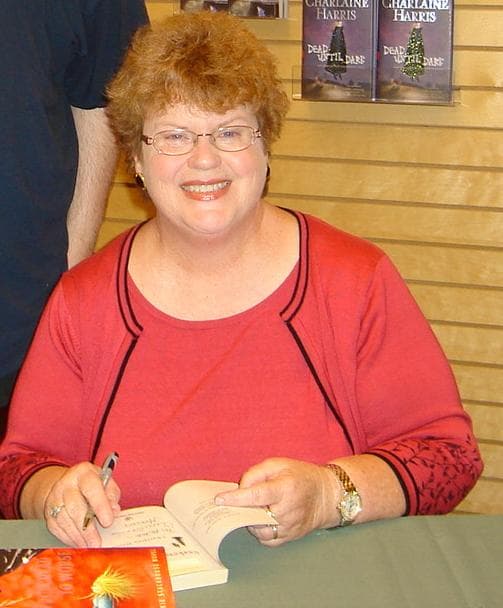
If you're a Charlaine Harris fan from her Sookie Stackhouse days - yes, the True Blood books - this is a different vibe but the same sharp writing. Less vampires, more corpses. The mystery itself is satisfying without being too convoluted, and the paranormal element adds just enough spice to keep things interesting. I got that same satisfying-without-overwhelming vibe from Sign of The Four, though Sherlock's deductions feel less supernatural and more just... really good pattern recognition.
Perfect for commutes. Perfect for that post-shift decompression when you need something engaging but not emotionally devastating. Skip this one if you need constant action - this is more slow burn investigation than thriller chase scenes.
I'm already eyeing the next book in the series. Night shift approved.