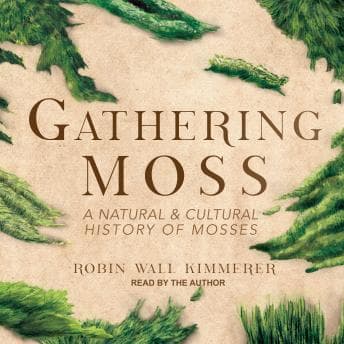

Let me cut to the chase: I did not expect to spend eight hours listening to a botanist talk about moss and come out the other side genuinely moved. But here we are.
I started this one during a long drive to San Antonio for a client meeting. Linda had suggested it months ago - she's been on a Kimmerer kick since Braiding Sweetgrass - and I'd dismissed it as "not my thing." Moss. Really. But the highway was empty, Ranger was snoring in the back seat, and I figured I'd give it twenty minutes.
Three hours later, I was sitting in my client's parking lot, engine off, refusing to get out until Kimmerer finished explaining how mosses reproduce.
The Quiet Power of Paying Attention
Here's what got me: Kimmerer approaches moss the way I was trained to approach terrain. Every detail matters. Every feature tells a story if you know how to read it. She talks about how mosses colonize bare rock, how they create soil where none existed, how they've been doing this work for 350 million years without anyone giving them credit. There's something deeply familiar about that - the unglamorous work that makes everything else possible.
This isn't a field guide. It's not going to help you identify the fuzzy green stuff on your fence posts. What it does is teach you a way of seeing. Kimmerer blends her scientific expertise (she's a bryologist, which I had to look up - moss scientist) with Potawatomi traditional knowledge. And before you roll your eyes, let me tell you: the indigenous framework isn't woo-woo mysticism. It's practical observation accumulated over generations. Different intel source, same mission: understand the environment.
The scientific terminology gets dense in places. I'll admit I rewound a few sections when she got into the specifics of water transport in non-vascular plants. Worth the effort, but fair warning - this requires your actual attention.
Kimmerer Reading Her Own Words
The author-narrated angle works exceptionally well here. Her voice is warm, measured, almost meditative. At 1.25x it flows perfectly - any faster and you'd lose the contemplative quality that makes the book work. She's not performing; she's sharing. There's a difference.
No sound effects, no music, no production gimmicks. Just Kimmerer talking about organisms most people step on without noticing. And somehow that's enough. More than enough.
I found myself slowing down on subsequent listens. Took it on a few morning runs with Ranger, and the pacing matched the trail perfectly. This is not a book for highway driving at 80 mph. It's for the moments when you can actually be present.
What Moss Taught an Old Soldier
Look, I've spent most of my life focused on large-scale operations. Big picture. Strategic objectives. Mosses operate on a completely different scale - they measure success in millimeters, in decades. Kimmerer writes about how a moss colony might take fifty years to cover a single rock. That's not failure. That's patience I don't possess. Ordinary Men taught me something similar about the slow accumulation of small choices—different subject entirely, but that same uncomfortable truth about how transformation happens incrementally.
There's an essay about urban mosses - the ones growing in sidewalk cracks and on old brick walls - that hit different than I expected. These organisms aren't just surviving in hostile territory; they're slowly, quietly reclaiming it. There's a tactical lesson there, though I'm not sure my corporate clients would appreciate me bringing up moss in a threat assessment briefing.
The book made me notice things. Drove past a stone wall yesterday, covered in what I now recognize as probably Grimmia - the kind that grows in dry, exposed places. Three months ago I wouldn't have seen it at all.
Who Should Listen (And Who Should Skip)
This is for listeners who want to slow down. If you're looking for plot, action, or anything resembling urgency, you're in the wrong place. If you're curious about the natural world and willing to spend eight hours learning to see it differently, mission accomplished.
Skip this if you need background listening, workout fuel, or constant stimulation. The scientific passages require focus.
Perfect for: nature walks, quiet evenings, long solo drives when you're in a reflective mood. Ranger approved - he slept through the whole thing, which for him is the highest compliment.
SITREP
I went in skeptical and came out genuinely grateful. Kimmerer writes with the precision of a scientist and the soul of someone who actually loves her subject. The audiobook format, with her own voice carrying the material, adds a layer of intimacy that print can't match.
Worth your time? Absolutely. But approach it on its own terms. This isn't entertainment. It's education in the best sense - the kind that changes how you see the world.
I'm looking at the moss on my back fence differently now. That's not nothing.







![Steve Jobs [unabridged audiobook] audiobook cover](/_next/image?url=https%3A%2F%2Fcovers.audiobooks.com%2Fimages%2Fcovers%2Ffull%2F9788499923406.jpg&w=1920&q=75)