
What's the ROI on watching someone else's dream fall apart in slow motion?
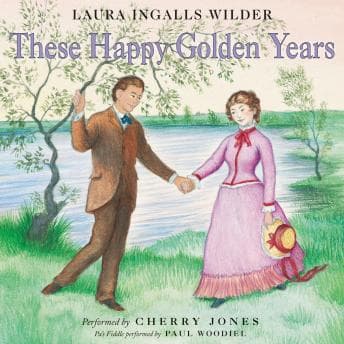
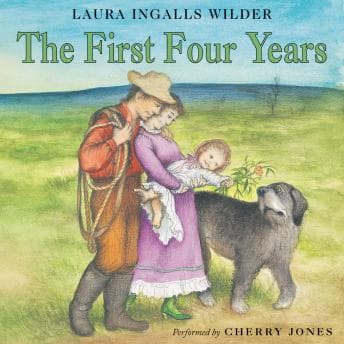
I was up late Sunday night, couldn't sleep, scrolling through my Audible library looking for something short enough to knock out before Monday meetings. Two hours twenty-eight minutes. Perfect. Except this wasn't the quick business palate cleanser I expected. It was Laura Ingalls Wilder's unfinished, unpolished account of her first four years of marriage on the Dakota prairie, and it hit me somewhere I wasn't prepared for.
The Business Plan That Weather Kept Destroying
Here's what this book actually is: a startup post-mortem. Almanzo and Laura bet everything on wheat farming. Year one: hail destroys the crop. Year two: drought. Year three: their house burns down. Their baby gets sick. Almanzo has a stroke - diphtheria complications - and never fully recovers. They keep going. They keep planting.
I've sat in boardrooms with founders who lost a Series B and acted like the world ended. Laura and Almanzo lost their infant son, watched their house burn to the ground, and the next chapter starts with them planting again. No pivot-to-video, no "lessons learned" LinkedIn post. Just back to the dirt.
This is what my parents did instinctively. Now it has a TED talk. Except Wilder wrote this decades before the hustle-culture gurus turned suffering into content. The book reads like a ledger - crops planted, dollars owed, weather recorded. Some reviewers hate that. They call it "sparse" and "list-like." I call it honest. My mom's daily planner from 1994 reads the same way. You don't romanticize survival when you're living it.
Cherry Jones and That Fiddle
Cherry Jones narrates this like she's reading to you from a rocking chair on a porch that doesn't exist anymore. Calm, measured, no dramatic swings. For a two-and-a-half hour listen, that restraint works. She's not trying to make you cry - the material does that on its own when it wants to.
The production includes Paul Woodiel on fiddle between sections, which is a nice touch that connects back to Pa's fiddle from the earlier books. It gives the whole thing this quiet, elegiac quality. Like someone playing at a wake. Which - given what happens in this book - is appropriate.
I wouldn't call Jones's performance showy. She doesn't do wildly different voices for Laura versus Almanzo. But there's a steadiness to her read that matches the tone perfectly. When the disasters pile up (and they pile up), she doesn't lean into melodrama. She just keeps going. Like Laura.
The Unfinished Part Is the Point
Here's the thing people need to know: Wilder never finished editing this manuscript. It was published posthumously, and it shows. The prose is rougher than the other Little House books. Rose Wilder Lane - Laura's daughter and secret editor of the series - didn't get her hands on this one. So you're getting the raw feed, not the polished broadcast.
And honestly? I prefer it this way. The earlier books have a warmth and narrative arc that makes pioneer life feel almost aspirational. This one just feels real. The episodic, almost clinical way Wilder catalogues each setback - the failed crops, the debt accumulating, Almanzo's declining health - reads like quarterly reports from a business that's underwater but refuses to file for bankruptcy.
At two hours twenty-eight minutes, there's zero fat. No padding. No 45 minutes of insight stretched into eight hours. I had the opposite experience with All the King's Men, which earns every one of its sprawling hours but demands you surrender your whole weekend to find out. Finally, a book - accidental as it may be - that respects your time.
Who This Is For (And Who Should Bail)
If you grew up on the Little House series and want closure, this delivers it - just not the warm, fireside kind. If you're looking for the cozy prairie vibes of the earlier books, you'll be disappointed. This is the part of the American Dream that doesn't make the brochure.
If you're a founder, a small business owner, or the kid of immigrants who watched your parents absorb losses that would've broken anyone else - this will hit different. Not because Wilder is trying to inspire you. Because she's just telling you what happened.
Jenny would say I'm being harsh. Jenny is right. But also: I listened to this expecting filler and got gut-punched by a 19th-century woman's accounting of what it costs to keep going when everything says stop.
The Quarterly Report
Bottom line: This isn't the best Little House book. It's the most honest one. Cherry Jones's quiet narration and the fiddle interludes make it a clean, quick listen. At under two and a half hours, there's no reason not to give it a shot - but manage your expectations. This is a rough draft of a life, not a polished memoir. And sometimes the rough draft tells you more.